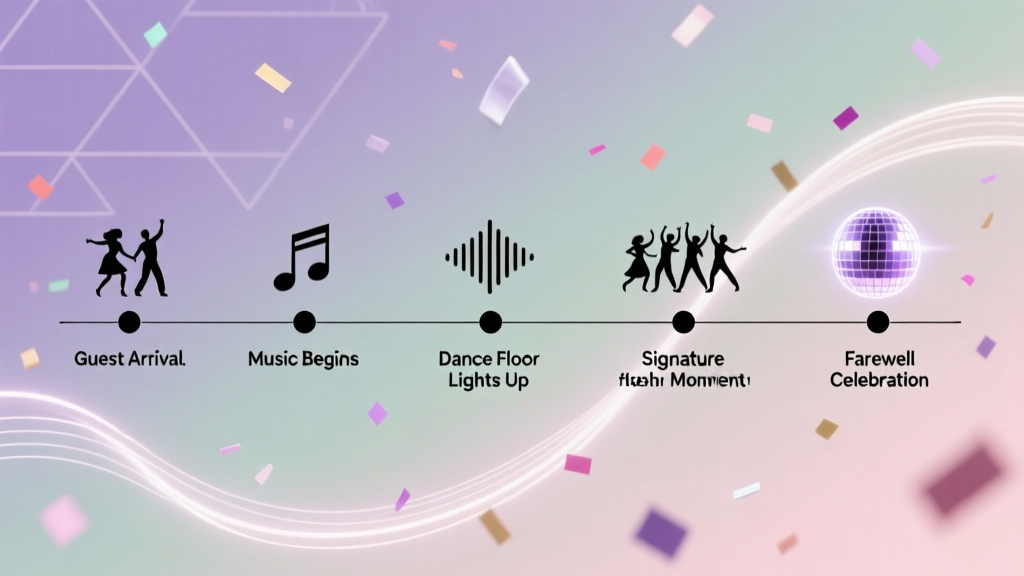
A Dance Party Timeline Template
A great dance party looks effortless: the music hits on time, the room feels electric, guests know where to go, and the night flows without awkward gaps. Behind that “effortless” vibe is a clear plan, a realistic timeline, and a few smart coordination habits that keep you ahead of problems before they show up.
Whether you’re planning a birthday dance party, a school dance, a corporate celebration, or a backyard glow night, the basics are the same: lock in the right venue (or layout), sound, lighting, and a run-of-show that matches your crowd’s energy. A well-built dance party planning timeline reduces last-minute spending, prevents vendor confusion, and helps you create a safe, memorable experience.
This guide gives you a step-by-step dance party timeline template with checklist items, budget considerations, vendor selection tips, and common mistakes to avoid—so you can plan like a pro and host with confidence.
Before You Start: Define the Dance Party Vision
Dance parties can range from casual to production-level. Getting aligned on the essentials upfront prevents “scope creep” and keeps your party planning organized.
Quick planning decisions (30–60 minutes)
- Purpose: Birthday, fundraiser, team celebration, prom after-party, community event
- Guest count: Total invited vs. realistic attendance
- Audience: Kids, teens, adults, mixed ages (this impacts music, security, and schedule)
- Vibe/theme: Disco, EDM, 2000s throwback, neon/glow, masquerade, Latin night
- Date/time window: Consider noise ordinances, school nights, and transit options
- Location type: Home, rented hall, club buyout, outdoor space, school gym
Current event planning trends to consider
- Experiential moments: LED foam sticks, confetti bursts (venue-permitting), interactive photo areas
- Hybrid entertainment: DJ + short live set (sax, percussion, vocalist) for “wow” without full band costs
- Micro-zones: Dance floor + lounge corner + photo moment + hydration/snack station
- Guest-friendly logistics: Cashless payments, QR code playlist requests, clear signage
- Sustainability: Reusable cups, minimal single-use decor, digital invitations
The Dance Party Planning Timeline Template (Step-by-Step)
Use this as your master event planning timeline. Adjust based on party size and whether you’re booking a venue and vendors.
8–10 Weeks Before: Lock the Foundation
- Set your total budget and identify your top 3 priorities (music, venue, lighting, food/drinks, decor, photo experience)
- Choose a date and 1–2 backups
- Book your venue (or confirm home/yard logistics)
- Decide: DJ vs. playlist (and whether you need an MC)
- Confirm noise rules, curfew, power access, and loading instructions
- Draft your guest list and invitation method (email, text, printed, event page)
Real-world example: For a 60-person adult birthday dance party, most hosts get the best value by booking a DJ 6–8 weeks out and allocating extra budget to lighting (uplights + dance floor lights) to elevate the atmosphere without needing heavy decor.
6–8 Weeks Before: Vendors, Music, and Layout
- Book key vendors:
- DJ or sound professional
- Lighting (uplighting, wash lights, moving heads if needed)
- Photographer or photo booth (optional)
- Catering or snack vendor (optional)
- Security (recommended for teen events, larger crowds, or venues requiring it)
- Create a rough floor plan:
- Dance floor centered away from food/drinks
- DJ table with clear sightline to the crowd
- Photo area near good lighting, not in a traffic choke point
- Hydration station accessible from dance floor
- Quiet/lounging area to prevent early exits
- Start a music brief:
- Must-play artists/genres
- Do-not-play list
- Energy curve: warm-up, peak, cooldown, finale
4–6 Weeks Before: Invitations and Experience Planning
- Send invitations with clear details:
- Date, time, location, parking/transit
- Dress code/theme
- Age guidelines and ID requirements (if relevant)
- RSVP deadline
- Plan key “moments”:
- Grand entrance
- First big song
- Mini-activities (dance-off, line dance, group photo)
- Late-night snack drop
- Confirm rentals if needed (tables, cocktail rounds, lounge seating, stanchions)
- Order decor with lead time (custom banners, neon signs, themed backdrops)
2–3 Weeks Before: Finalize Details and Run-of-Show
- Collect RSVPs and update your headcount
- Confirm vendor arrival times, load-in, and payment schedule
- Build your dance party run-of-show (sample below)
- Plan staffing/roles:
- Host lead
- Door/check-in
- Floaters (trash, restock, quick problem-solving)
- Safety lead (teen events: supervision, incident plan)
- Create signage list: restrooms, water, exits, coat area, photo spot
7–10 Days Before: Confirmation Week
- Send guest reminder with parking instructions and start time expectations
- Confirm playlist preferences and timeline with DJ/MC
- Do a power and space check:
- Extension cords, gaffer tape, surge protectors
- Dedicated circuits for sound/lighting
- Weather backup plan for outdoor parties
- Finalize food and beverage quantities (include non-alcoholic options)
- Prepare a “day-of kit” (see checklist below)
48–72 Hours Before: Set Up for a Smooth Day
- Print or share digital copies of:
- Vendor contact list
- Timeline/run-of-show
- Floor plan
- Pre-stage supplies: cups, napkins, wristbands, signage, batteries
- Confirm final headcount with venue/catering
- Charge devices and prep cash tips or digital tip plan
Event Day: Hour-by-Hour Dance Party Timeline (Template)
Adjust times to fit your event length. This sample assumes a 7:00–11:00 PM party.
3:00 PM – 4:30 PM: Space prep
- Clear/clean dance floor area
- Set up lounge seating and cocktail tables
- Place trash/recycling bins (more bins = less mess)
- Put signage at key points
4:30 PM – 6:00 PM: Vendor load-in and tech setup
- DJ/sound check (test mic, bass levels, and transitions)
- Lighting focus and color test
- Photo area/backdrop setup
- Confirm emergency exits remain unobstructed
6:00 PM – 6:45 PM: Pre-guest final touches
- Set up hydration station and snacks
- Put out any name tags/wristbands
- Quick staff briefing: roles, escalation plan, schedule highlights
7:00 PM – 7:30 PM: Guest arrival + warm-up set
- Check-in and welcome
- Music at social volume, upbeat but not peak intensity
- Encourage photos early while outfits are fresh
7:30 PM – 8:45 PM: Main dance block #1
- Ramp up energy gradually
- Add a structured moment: group song, line dance, birthday shout-out
8:45 PM – 9:15 PM: Reset + snack/hydration push
- Lower intensity slightly to encourage breaks
- Restock water/ice
- Optional: short activity (dance-off, prize moment)
9:15 PM – 10:30 PM: Main dance block #2 (peak)
- Best songs and highest energy lighting
- Photo moments and crowd-pleasers
10:30 PM – 10:55 PM: Cooldown + finale setup
- Transition to sing-along favorites
- Announce last call for photos and lost-and-found reminders
10:55 PM – 11:00 PM: Finale + send-off
- Big closing song
- Clear exit messaging (rideshare zone, pickup plan)
11:00 PM – 12:00 AM: Breakdown
- Vendor load-out
- Trash sweep and venue reset
- Secure gifts/cards and any lost items
Dance Party Planning Checklist (Copy/Paste)
Core logistics
- Date/time confirmed
- Venue contract and insurance (if required)
- Capacity and safety plan
- Parking/rideshare instructions
- Noise ordinance/curfew checked
Entertainment and production
- DJ booked, song lists shared
- Sound system confirmed (speakers, mic, mixer)
- Lighting plan confirmed
- Backup music device and cables available
Guest experience
- Invitations sent + RSVP tracking
- Signage and check-in plan
- Photo area ready
- Water/hydration station planned
- Snacks/food plan
Day-of emergency kit
- Gaffer tape, scissors, zip ties
- Extension cords, power strips
- First aid kit, stain remover wipes
- Phone chargers, extra batteries
- Sharpies, pens, clipboard
Budget Considerations (With Sample Breakdown)
Your dance party budget should match the experience you want to create. A strong rule in event coordination: prioritize what guests feel most—music quality, lighting, comfort, and flow.
Typical budget categories
- Venue: rental fee, cleaning fee, security deposit
- DJ/Entertainment: DJ rate, MC add-on, overtime fees
- Sound/Lighting: speaker package, uplights, dance lights
- Food & beverage: snacks, catering, bartender, ice
- Decor: backdrop, balloons, table accents
- Staffing: security, attendants, cleanup crew
- Photo experience: photographer, photo booth, prints
- Contingency: 8–12% buffer for last-minute needs
Sample budget: 75-guest dance party ($3,500 total)
- Venue: $1,200
- DJ: $900
- Lighting add-on: $350
- Food & beverages: $550
- Decor + photo backdrop: $200
- Staff/security: $150
- Contingency (10%): $150
Cost-saving tip: If you must choose between extra decor and better lighting, choose lighting. Lighting transforms a basic room into a dance environment faster than centerpieces ever will.
Vendor Selection Tips (DJ, Lighting, Venue, and More)
DJ booking checklist
- Ask for a recent set sample or live event clips (not just highlight reels)
- Confirm whether they provide:
- Speakers and microphones
- Dance floor lighting
- Backup equipment
- Clarify pricing: setup time, travel fees, overtime rate
- Share your crowd profile: ages, music boundaries, “must-avoid” songs
Venue questions that prevent day-of surprises
- What time can vendors load in?
- Are fog machines/confetti allowed?
- Are there dedicated circuits for DJ/lighting?
- Is security required? Are there preferred vendors?
- What’s the cleanup expectation at end of night?
Pro coordination strategy: one point of contact
Assign one person (you or a trusted helper) as the single point of contact for vendors. This reduces conflicting instructions and keeps your dance party schedule on track.
Common Dance Party Planning Mistakes to Avoid
- Starting with decor before sound and lighting: Guests remember the music and energy first.
- Underestimating arrival flow: Without check-in and signage, the first 20 minutes feel chaotic.
- No energy curve: Playing peak songs too early can flatten the rest of the night.
- Not planning hydration: A water station is a must for comfort and safety.
- Ignoring venue acoustics: A cavernous hall needs different speaker placement than a small room.
- Skipping contingency time: Always build a buffer for setup delays and tech issues.
- Unclear end-of-night plan: Guests need a safe, organized exit—especially teens and large groups.
FAQ: Dance Party Planning and Coordination
How long should a dance party last?
Most dance parties run 3–4 hours. For teens, 2.5–3 hours often works best. For adult celebrations, 4 hours gives you room for arrivals, peak dancing, and a strong finale.
Do I need a DJ, or is a playlist enough?
A playlist can work for small, casual parties (20–40 guests) if you have solid speakers and someone to manage volume and transitions. For bigger events, a professional DJ improves flow, handles requests, and keeps the energy consistent.
What’s the biggest factor that makes a dance party feel “high-end”?
Lighting is the fastest upgrade. Even simple uplighting plus one dance effect light can turn a basic space into a true dance environment.
How do I plan a dance party timeline for mixed ages?
Front-load group-friendly songs early, plan a short activity moment (line dance or group photo), and keep a lounge/hydration zone active. If kids are present, consider an earlier “family dance block” followed by an adult-focused set later.
What should I feed guests at a dance party?
Choose items that are easy to grab and won’t stop the momentum: sliders, pizza, wraps, fruit cups, snack mixes, and plenty of water. Schedule a snack drop around the midpoint to refresh the room.
How far in advance should I book vendors?
For popular dates, book your venue and DJ 6–10 weeks out. For larger events or peak seasons, 3–6 months is safer—especially if you want in-demand DJs or specialty lighting.
Next Steps: Put This Template Into Action
- Pick your date, guest count, and top 3 priorities.
- Use the 8–10 week timeline to book the venue and DJ first.
- Build a simple run-of-show with two main dance blocks and one reset break.
- Create a vendor contact sheet and assign one point of contact for day-of coordination.
- Set aside a 10% budget buffer and finalize your lighting plan early.
If you want more practical party organization resources—checklists, run-of-show templates, and vendor planning tips—explore more event planning guides on smartpartyprep.com.
More Articles
 What Are the Political Parties in Germany? A Clear, Up-to-Date Breakdown of All 7 Major Parties — Including Their Stances on Climate, Immigration, and the Economy (2024 Edition)
Can You Wear White to an Engagement Party? The Truth About Wedding-Adjacent Attire (No, It’s Not Just About the Bride — Here’s What Modern Etiquette *Actually* Says)
What Is a White Party Attire? The 7-Second Rule You’re Breaking (And How to Fix It Before Your Invite Expires)
What Are Frat Parties Really Like? The Unfiltered Truth About Safety, Culture, and What First Years *Actually* Need to Know Before Saying Yes
What Are the Political Parties in Germany? A Clear, Up-to-Date Breakdown of All 7 Major Parties — Including Their Stances on Climate, Immigration, and the Economy (2024 Edition)
Can You Wear White to an Engagement Party? The Truth About Wedding-Adjacent Attire (No, It’s Not Just About the Bride — Here’s What Modern Etiquette *Actually* Says)
What Is a White Party Attire? The 7-Second Rule You’re Breaking (And How to Fix It Before Your Invite Expires)
What Are Frat Parties Really Like? The Unfiltered Truth About Safety, Culture, and What First Years *Actually* Need to Know Before Saying Yes