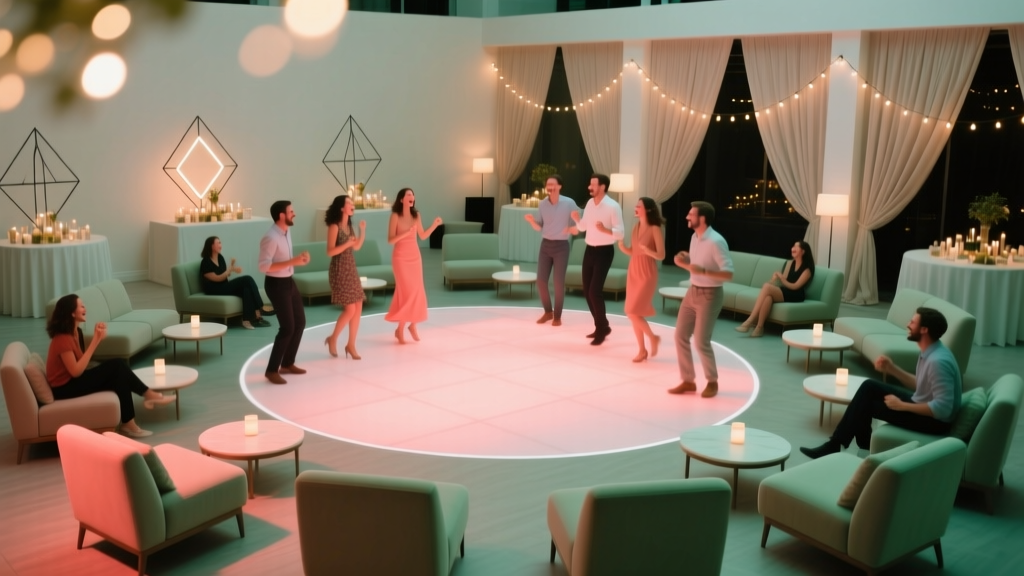
Dance Party Seating Arrangement Ideas
A dance party feels effortless when it’s planned with intention. Guests flow from the entrance to the bar, from the dance floor to a comfortable seat, and back again—without bottlenecks, awkward gaps, or a room that looks half-empty. That kind of energy doesn’t happen by accident. It’s created by smart event planning, clear zoning, and a seating layout that supports movement.
Whether you’re organizing a birthday dance party, corporate celebration, school fundraiser, or wedding after-party, seating is one of the biggest drivers of comfort and crowd dynamics. Too much seating can kill the dance floor. Too little seating can frustrate guests, shorten the party, and increase complaints (especially from older guests or anyone in heels). The right seating arrangement balances rest, conversation, and a clear visual “pull” toward the dance floor.
This guide breaks down practical dance party seating arrangement ideas, step-by-step planning strategies, budget considerations, vendor tips, and the common mistakes that derail party organization. Use it as a blueprint for a high-energy event that still feels welcoming and well-coordinated.
Start with the “Zones” (The Foundation of Every Dance Party Layout)
Modern event coordination trends lean heavily on intentional zoning—creating micro-areas that serve distinct guest needs. Before you pick chair types or count tables, define your zones:
- Dance Floor Zone: The main energy hub (needs space, visibility, lighting, and speaker placement).
- Social Seating Zone: Conversation seating near—but not inside—the dance floor.
- Rest & Recharge Zone: Quieter seating for breaks (ideal for mixed-age crowds).
- Food & Beverage Zone: Bars, buffets, water stations, dessert tables.
- Photo / Moment Zone: Photo booth or backdrop (keeps lines from blocking other areas).
- Circulation Paths: Clear walkways connecting everything (often overlooked, always critical).
Quick Space Rule-of-Thumb
- Dance floor: Plan roughly 3–5 sq ft per dancer at peak time (more space for high-energy music and mixed skill levels).
- Walkways: Keep primary paths at least 4–6 ft wide to avoid traffic jams.
- Seating: For dance-heavy events, aim for seating for 60–80% of guests (not 100%).
Dance Party Seating Arrangement Ideas (Layouts That Actually Work)
1) The “Ring Around the Dance Floor” (Classic + High Energy)
Place cocktail tables and small group seating around the dance floor perimeter, leaving a clean entry into the dance space. This layout supports dancers (quick breaks) and keeps non-dancers engaged because they can still watch the action.
Best for: Weddings, corporate parties, large birthdays
Seating mix:
- High-top cocktail tables with 2–4 stools
- Small clusters of lounge chairs (2–4 seats per cluster)
- Perimeter banquet tables only if you need dining seating
Pro coordination tip: Keep at least 8–12 ft between the dance floor edge and any hard furniture corners. This reduces collisions when the crowd expands.
2) Lounge Clusters (Trend-Forward + Social)
Lounge seating is a current event planning trend because it makes venues feel curated and “designed,” not just filled. Create multiple lounge clusters with sofas, armchairs, and low tables. Guests naturally rotate between dancing and conversation.
Best for: Upscale parties, brand events, milestone celebrations
How to arrange:
- 3–6 lounge clusters spaced around the room
- Each cluster seats 6–10 (sofas + chairs)
- Position 1–2 clusters near the dance floor, 1–2 mid-room, and 1–2 in a quieter corner
Real-world example: For a 120-guest corporate dance party, use 4 lounge clusters seating ~32, plus 10 cocktail tables seating ~40, plus a few banquettes against the wall. You’ll have comfortable seating for ~70–80 guests without making the room feel “sit-down.”
3) The “Wall Banquette” (Space-Saving + Clean Sightlines)
If your venue has limited square footage, push seating to the edges. Rent or use existing banquettes, benches, or even continuous rows of chairs along walls with small side tables between groupings.
Best for: Smaller venues, teen parties, community halls
Why it works:
- Maximizes dance floor space
- Keeps walkways clear
- Reduces clutter in the center of the room
Upgrade idea: Add a few statement lounge pieces (one sofa + two chairs) near the center to keep the design from looking “like a meeting.”
4) Cabaret-Style Tables (Conversation-Friendly Without Killing the Dance Floor)
Cabaret layout uses round tables but leaves one side open toward the dance floor—like a “C” orientation. It’s excellent when you need seated areas but want guests facing the action.
Best for: Dinner + dancing events, gala fundraisers, cultural celebrations
Setup tips:
- Use fewer tables than a full banquet setup
- Seat 6–8 per 60” round (instead of squeezing 10)
- Angle open sides toward the dance floor for easy transitions
5) Mixed Seating Zones (Most Practical for Mixed-Age Guest Lists)
When your guest list includes multiple age groups or different social styles (dancers, chatters, observers), mixed seating is the most reliable approach. Combine:
- High-tops near the dance floor
- Low lounge seating in mid-zone
- Quiet tables farthest from speakers
- Accessible seating close to entrances and restrooms
Pro tip: Put the quiet zone near dessert/coffee or a hydration station. Guests naturally drift there when they want a break.
Seating by Party Type: Quick Recommendations
Birthday Dance Party (Adults)
- Prioritize a large dance floor and bar access
- Seating for 60–70% of guests
- High-tops + 2–3 lounge clusters
Sweet 16 / Teen Dance Party
- More open space, fewer chairs (teens sit less)
- Wall seating + a couple lounge/photo zones
- Plan clear staff sightlines and controlled entry/exit
Corporate Holiday Party
- Mixed seating supports networking: high-tops + cabaret tables
- Include a quieter seating zone for conversation
- Ensure wide walkways for mingling and service staff
Wedding After-Party
- Reduce formal seating; increase lounge + cocktail tables
- Keep a “landing zone” for bags/coats near entry
- Place water stations near exits and dance floor edge
Step-by-Step Planning Timeline (with Checklist)
6–8 Weeks Before
- Confirm guest count range and event goals (dance-heavy vs. mixed program)
- Obtain venue floor plan with dimensions and fixed elements (pillars, bar, stage)
- Decide on zones: dance floor size, seating style, food/beverage placement
- Book key vendors: DJ/band, rentals, lighting (if needed)
- Create a preliminary seating inventory:
- # of chairs/stools
- # of cocktail tables
- # of lounge pieces
- # of dining tables (if serving a meal)
3–4 Weeks Before
- Finalize layout draft and review with venue + DJ (speaker placement affects seating comfort)
- Confirm rental order and delivery/pickup windows
- Plan lighting zones (trend: layered lighting—ambient + accent + dance lighting)
- Create signage plan (bar menu, restrooms, photo area) to reduce guest confusion
- Build a detailed setup schedule with responsibilities
1–2 Weeks Before
- Confirm final guest count and adjust seating quantities
- Walk the venue (or do a virtual walkthrough) and validate measurements
- Finalize staffing plan: setup crew, bar staff, security (if needed), day-of coordinator
- Print a layout map for vendors with labeled zones and load-in instructions
48–72 Hours Before
- Reconfirm vendor arrival times and onsite contact numbers
- Prepare a “toolkit”:
- Gaffer tape, zip ties, extension cords, scissors
- Table wipes, lint roller, stain remover
- Sharpies, extra signage supplies
- Finalize playlist cues with DJ (first 30 minutes matters for dance floor momentum)
Day-Of Setup Checklist
- Tape out dance floor boundaries and primary walkways first
- Place large furniture (lounge, bars, buffet) before small tables and décor
- Test sound levels from each seating zone (especially quiet zone)
- Set water stations and trash/recycling points (prevents clutter)
- Do a “guest flow” test: entrance → bar → seating → dance floor → restroom
- Take photos of the layout for quick resets if furniture shifts
Budget Considerations (Smart Spending for Seating + Layout)
Seating costs vary widely by market and style. The goal is not to rent everything—it’s to rent what supports your event experience. Use this practical budget framework for party organization:
Sample Budget Breakdown (Seating + Layout-Related)
- Furniture rentals (chairs, stools, lounge, tables): 15–30%
- DJ/band + sound: 15–25%
- Lighting (uplights, dance lighting, pin spots): 5–15%
- Décor (linens, centerpieces, signage): 5–12%
- Labor (delivery, setup, strike): 8–18%
- Contingency: 5–10%
Where to Save Without Sacrificing the Look
- Use cocktail tables instead of extra lounge if budget is tight
- Concentrate premium furniture in 2–3 “hero” areas (entry lounge, dance floor perimeter, photo zone)
- Skip chair covers; invest in lighting (uplighting can transform basic seating)
- Choose smaller centerpieces to keep tables functional for drinks and phones
Vendor Selection Tips (Rentals, DJs, and Layout Partners)
Party Rental Company Questions to Ask
- What seating styles do you recommend for a dance-focused event?
- Do you provide layout mockups or CAD diagrams?
- What are delivery fees, stair fees, and pickup timing?
- Is setup/strike included? If not, what labor is required?
- What condition are lounge pieces in, and can we see recent photos?
DJ / Entertainment Coordination Tips
- Ask for speaker placement recommendations early—sound dictates where people will or won’t sit.
- Confirm if the DJ needs a booth table, facade, and dedicated power circuit.
- Share your zoning plan so the DJ can help build energy and avoid “dead corners.”
Common Dance Party Seating Mistakes to Avoid
- Over-seating the room: Too many chairs encourages sitting and makes the dance floor look empty.
- Blocking traffic flow: Cocktail tables placed in main paths create constant collisions.
- Putting seating too close to speakers: Guests won’t use it, and the area becomes wasted space.
- Ignoring accessibility: Provide stable seating (not just bar stools) and clear routes to restrooms.
- Creating one “lonely” seating island: A single table far away feels awkward and stays empty—use clusters.
- No landing zones: Without spots for bags, coats, or purses, chairs become cluttered and unusable.
Real-World Layout Examples (Copy-and-Adapt Plans)
Example A: 80 Guests in a Medium Event Room
- Dance floor: Center (approx. 16’ x 16’)
- Seating:
- 8 cocktail tables (32 seats with stools mixed in)
- 2 lounge clusters (14–16 seats total)
- Wall seating: 10 chairs spaced with side tables
- Flow: Entry → bar to the right → dance floor center → quiet lounge opposite DJ
Example B: 150 Guests in a Ballroom (Dinner + Dancing)
- Tables: 12–14 rounds cabaret-style (6–8 per table)
- Dance floor: Adjacent to DJ with perimeter cocktail tables
- Quiet zone: Lounge grouping near coffee/dessert
- Key detail: Keep a 6 ft service lane for staff between buffet and seating
FAQ: Dance Party Seating Arrangements
How much seating should a dance party have?
Plan seating for about 60–80% of your guest count for dance-heavy parties. For events with dinner or longer programs, increase seating or include cabaret tables so guests can rest comfortably.
What’s the best table type for a dance party?
Cocktail tables are the most flexible because they support mingling and don’t anchor guests to a seat. Pair them with a few lounge clusters for comfort and visual style.
How do I keep the dance floor from feeling empty?
Reduce excess seating, place social seating near the dance floor perimeter, and coordinate with the DJ to build momentum in the first 30–45 minutes. Lighting also matters—use focused dance lighting so the dance floor becomes the visual focal point.
Where should I place the quiet seating area?
Put it farthest from speakers and ideally near dessert/coffee or a hydration station. Guests who want a break will naturally gravitate there without disrupting the dance energy.
Do I need assigned seats at a dance party?
Usually no. Assigned seating works best for plated dinners or formal programs. For most dance parties, open seating with clear zones improves flow and reduces coordination headaches.
What’s a simple way to make basic seating look elevated?
Use layered lighting (uplights + warm ambient), add small side tables for drinks, and create 1–2 “feature” lounge moments. Guests remember the vibe more than the chair style.
Actionable Next Steps
- Sketch your venue and mark zones first: dance floor, social seating, quiet seating, food/beverage, photo area.
- Choose a layout style (ring, lounges, wall banquette, cabaret, or mixed) based on your guest list and event goals.
- Build your rental list and confirm delivery/setup logistics early—labor and timing can impact your budget as much as the furniture.
- Run a “flow test” before guests arrive to ensure walkways are clear and every seating area has a purpose.
For more expert tips on event planning, party organization, and day-of coordination, explore the latest guides and templates on smartpartyprep.com.
More Articles
 When Did the Democratic and Republican Parties Switch Ideologies? The Truth Behind the Great Realignment — Debunking 5 Decades of Misinformation in One Clear Timeline
What Was the Outcome of the Boston Tea Party? The 5 Unintended Consequences That Ignited a Revolution (and Why Every Educator & Event Planner Needs to Know Them)
How to Keep Appetizers Warm for a Party Without Dryness, Sogginess, or Last-Minute Panic: 7 Field-Tested Tactics (Backed by Catering Pros & 327 Real Hosts)
When Did the Democratic and Republican Parties Switch Ideologies? The Truth Behind the Great Realignment — Debunking 5 Decades of Misinformation in One Clear Timeline
What Was the Outcome of the Boston Tea Party? The 5 Unintended Consequences That Ignited a Revolution (and Why Every Educator & Event Planner Needs to Know Them)
How to Keep Appetizers Warm for a Party Without Dryness, Sogginess, or Last-Minute Panic: 7 Field-Tested Tactics (Backed by Catering Pros & 327 Real Hosts)
 How Many State Legislatures Are Controlled by Each Party in 2024? The Real-Time Breakdown Every Campaign Strategist & Advocate Needs Before Planning Their Next Legislative Push
How to Train Your Dragon Birthday Party Favors: 7 Stress-Free, Budget-Savvy Ideas That Actually Delight Kids (No Glue Guns or Last-Minute Panic Required)
How Many State Legislatures Are Controlled by Each Party in 2024? The Real-Time Breakdown Every Campaign Strategist & Advocate Needs Before Planning Their Next Legislative Push
How to Train Your Dragon Birthday Party Favors: 7 Stress-Free, Budget-Savvy Ideas That Actually Delight Kids (No Glue Guns or Last-Minute Panic Required)
 What to Wear for a Work Holiday Party: The 7-Minute Dress Code Decoder (No Guesswork, No Awkward Outfits, Just Confident Choices That Get You Noticed—For the Right Reasons)
Where Is The Vanity Fair Oscar Party Held? The Real Location (Not What You Think) + How to Get Invited, What to Wear, and Why It’s Not at the Dolby — Full 2024 Breakdown
How to Change Your Party Affiliation in NC: A Step-by-Step, Deadline-Aware Guide That Takes Less Than 10 Minutes (No Mail, No Wait, No Mistakes)
What to Wear for a Work Holiday Party: The 7-Minute Dress Code Decoder (No Guesswork, No Awkward Outfits, Just Confident Choices That Get You Noticed—For the Right Reasons)
Where Is The Vanity Fair Oscar Party Held? The Real Location (Not What You Think) + How to Get Invited, What to Wear, and Why It’s Not at the Dolby — Full 2024 Breakdown
How to Change Your Party Affiliation in NC: A Step-by-Step, Deadline-Aware Guide That Takes Less Than 10 Minutes (No Mail, No Wait, No Mistakes)