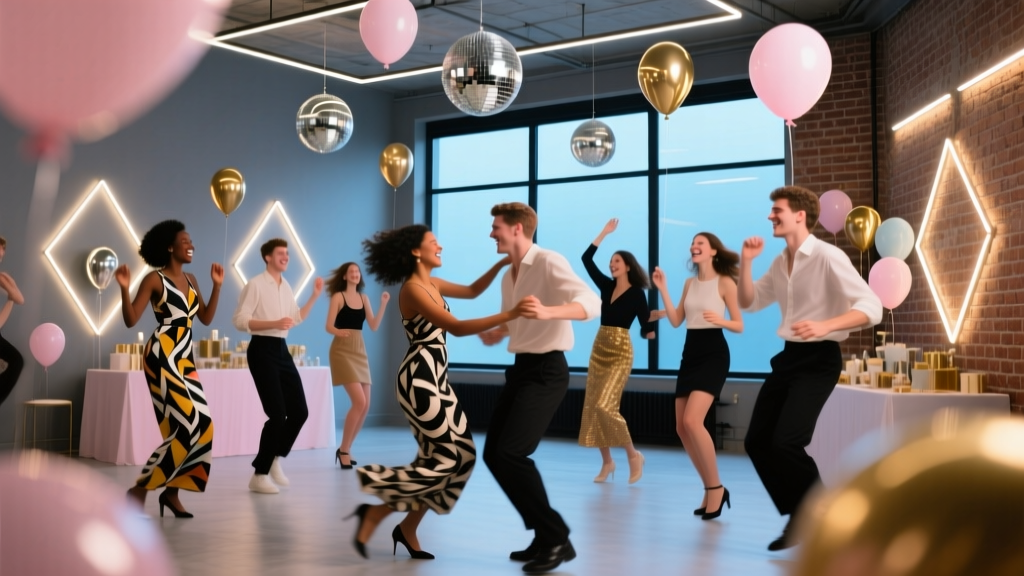
Dance Party Entertainment Ideas: A Practical, Inspiring Guide to Planning a Night People Will Talk About
A dance party can feel effortless when you’re on the dance floor, but the best ones are rarely “thrown together.” Great dance parties are designed: the music flow is intentional, the room is set up to move and mingle, the lighting builds energy, and guests know what to expect from the moment they arrive. When planning is thoughtful, the entertainment doesn’t compete with the party—it powers it.
Whether you’re organizing a birthday bash, corporate celebration, fundraiser, school event, or a wedding after-party, dance party entertainment comes down to three things: creating momentum, keeping guests engaged, and making it easy for everyone to participate. With a clear event planning timeline, smart party organization, and vendor coordination, you can turn “we should have a dance party” into a polished experience that fits your budget and your crowd.
This guide shares dance party entertainment ideas, step-by-step planning tools, and real-world examples you can adapt quickly—plus budget breakdowns, vendor selection tips, and common mistakes to avoid.
Start with the Essentials: Goals, Guest List, and Vibe
Define the purpose (your entertainment should support it)
- Celebration: High-energy sets, interactive moments, and a “big peak” halfway through.
- Networking/corporate: Easier volume levels early, structured icebreakers, and a smooth transition into dancing.
- Fundraiser/community event: Sponsor shout-outs, on-theme segments, and a clear run-of-show to keep attention.
- Teen/school dance: Strong supervision plan, clean edits, clear rules, and safe “crowd control” layout.
Know your guest profile
Entertainment decisions get easier when you know:
- Age range and music preferences (collect requests via RSVP form)
- Expected attendance (affects sound, space, staffing, and safety)
- Energy level (are they ready to dance immediately, or do they warm up slowly?)
- Accessibility needs (seating zones, quiet corner, clear pathways)
Choose a theme or anchor concept (optional, but powerful)
Current party trends favor “simple themes with strong visuals,” not heavy costumes. Examples:
- Decade throwback: 90s/00s, disco, 80s neon
- Color story: black & gold, all-white, neon glow
- Destination vibe: tropical club, après-ski lounge, Ibiza nights
- Micro-moment themes: “Taylor vs. Beyoncé,” “Latin Night,” “Afrobeats & Amapiano”
Dance Party Entertainment Ideas That Keep Energy High
1) DJ or Live Music (the backbone of your dance floor)
- DJ: Most flexible for mixed crowds, quick transitions, requests, and budget control.
- Live band: Big impact and crowd connection; plan breaks, soundcheck time, and stage space.
- DJ + live add-ons: Saxophone, percussionist, vocalist (a popular trend for upscale events).
Pro tip: Ask for a 10–15 song “must-play” list and a “do-not-play” list. Confirm if they provide clean radio edits.
2) An MC or Hype Host (often included with DJs)
A skilled MC keeps the night moving without hijacking it. Use them for:
- Welcomes and announcements
- Dance-offs and quick games
- Transitioning from dinner/cocktails to dancing
- Shout-outs (sponsors, honorees, VIPs)
3) Interactive Dance Moments (low cost, high participation)
Build “participation peaks” every 30–45 minutes:
- Line dance set: 2–3 songs (keep it short). Great for mixed ages.
- Group challenge: “Best 10-second freestyle” in small groups.
- Dance circle rotation: MC invites tables/teams one at a time.
- Follow-the-leader: Fun for family events and team building.
Real-world example: At a 120-guest corporate holiday party, the planner scheduled a 7-minute “throwback line dance block” at 9:15 pm—attendance on the dance floor doubled and stayed high through the next set.
4) Dance Instructor Pop-In (a crowd favorite)
Hire an instructor for a 20–30 minute segment (salsa, bachata, swing, hip-hop basics). This works especially well when guests are hesitant.
- Best scheduled early (45–60 minutes after music starts)
- Confirm microphone needs and floor type (smooth surfaces help)
- Offer an “observer-friendly” setup (seating nearby)
5) Lighting and Visual Effects (the fastest way to level up)
Lighting is entertainment. Current trends include:
- LED uplighting: Room color wash that matches your theme
- Moving head lights: Club-style beams (use responsibly for comfort)
- Monogram/gobo projection: Personalized logo, initials, or event name
- Cold spark fountains: Big “wow” moments (venue approval required)
- LED dance floor: Premium option for weddings and milestone birthdays
Coordination tip: Ask your DJ/AV team to program a few “lighting scenes” (arrival, warm-up, peak, last song).
6) Photo + Content Stations (keeps non-dancers engaged)
- Photo booth: Prints or digital sharing, props aligned to theme
- Roaming photographer: Captures dance floor moments (often higher quality)
- 360 video booth: Trendy, high shareability—needs queue management
- Content corner: Ring light + branded backdrop + easy instructions
7) Specialty Performers (use as “punctuation,” not filler)
- Drummers for a 10-minute entrance/peak moment
- Breakdancers or cultural dance troupe (great for themed nights)
- Aerial or fire performers (only where permitted; strict safety rules)
Pro tip: Schedule performers to create a clear energy curve: one early “hook” and one mid-party “surprise.”
8) Games That Fit a Dance Party (keep them fast)
- Dance bingo: Cards with dance moves or song categories
- Song association: Teams guess the next song from a themed clue
- Silent disco battle: Two channels, guests “vote” by dancing
Layout and Flow: Make It Easy for Guests to Join In
Room zones that support entertainment
- Dance floor zone: Central, visible, and not blocked by tables
- Social zone: Cocktail tables near (not on) the dance floor
- Recharge zone: Seating area with lower volume
- Photo/content zone: Near traffic but not creating bottlenecks
- DJ/Stage zone: Clear sightlines; protect power cables
Sound basics (avoid the most common dance party complaint)
- Right-size speakers for the venue (too loud chases guests away; too soft kills energy)
- Plan for a microphone that doesn’t feed back
- Confirm power access and backup options
- If outdoors, check local noise ordinances and cutoff times
Step-by-Step Planning Timeline (With Checklist Items)
6–8 Weeks Before (or earlier for peak seasons)
- Set event goals, date, and estimated headcount
- Book venue (confirm dance floor space, sound limits, curfew)
- Select entertainment: DJ/band + any specialty performers
- Outline your event planning budget (include taxes, gratuities, overtime)
- Choose theme/color palette and draft your décor plan
- Send invitations or launch RSVP page with music request field
4 Weeks Before
- Finalize vendor contracts and insurance requirements
- Plan your run-of-show (arrival, warm-up, peak moments, last call)
- Create a preliminary playlist direction:
- Warm-up: familiar, mid-tempo
- Peak: high-energy crowd favorites
- Cooldown: sing-alongs and closing track
- Confirm lighting needs and any add-ons (gobo, cold sparks, LED features)
- Order or rent essentials: microphones, dance floor (if needed), stanchions for lines
2 Weeks Before
- Confirm final headcount range with venue and entertainment team
- Collect song requests and identify “must-plays” and “no-plays”
- Draft staffing plan: check-in, floor coordinator, photo booth attendant, security (if needed)
- Finalize floor plan: zones, vendor load-in path, cable management
- Confirm permits (outdoors), parking, and vendor arrival times
1 Week Before
- Send vendor confirmation email with:
- Timeline, address, load-in instructions
- Point-of-contact names and phone numbers
- Power details and setup locations
- Print or share your run-of-show and cue sheet
- Prepare signage: restrooms, photo booth instructions, hashtag/QR code
- Confirm contingency plans (rain plan, backup speaker, extra extension cords)
Day-Of Checklist
- Walkthrough: check floor safety, lighting angles, and clear exits
- Soundcheck: mic test, volume levels in multiple room areas
- Brief vendors: key cues, announcements, special moments
- Set “warm-up” music to start 10 minutes before guests arrive
- Assign one person to monitor:
- Dance floor energy
- Temperature/ventilation
- Lines at bar/photo booth
- Build two scheduled peaks (example: 9:00 pm and 10:15 pm)
Budget Considerations (Sample Breakdown + Where to Spend)
Budgets vary by region and scope. Use percentage planning to stay flexible.
Typical dance party budget breakdown (by percentage)
- Entertainment (DJ/band/performers): 25–40%
- Venue + rentals (tables, chairs, dance floor): 20–35%
- Food + bar: 15–30%
- Lighting/AV upgrades: 10–20%
- Photo/content experiences: 5–15%
- Décor + signage: 5–10%
- Staffing/security/permits/insurance: 5–10%
Smart spending priorities
- Spend on sound quality before adding extra décor.
- If your crowd is shy, prioritize an MC or instructor segment.
- For high-impact visuals, choose uplighting + one hero feature (gobo OR cold sparks OR LED wall).
Cost-saving strategies that still look professional
- Bundle DJ + lighting with one vendor
- Limit specialty performers to a single 10–15 minute set
- Use digital invitations and QR-code signage
- Rent a curated prop kit instead of buying bulk props
- Schedule the event to avoid overtime (vendors charge by the hour)
Vendor Selection Tips (DJ, Lighting, Photo Booth, Performers)
Questions to ask a DJ or band
- How do you read the room and adjust genres live?
- Do you take requests, and how do you screen them?
- What equipment do you provide (speakers, subs, mics, backup gear)?
- Can you share a sample set list or video from a similar event?
- What’s your overtime rate and cutoff policy?
Red flags during vendor coordination
- Slow communication or vague contract terms
- No backup plan for equipment failure
- Reluctance to collaborate on timeline cues
- Unclear arrival/setup times
Contract must-haves
- Exact start/end times, setup time, and breakdown time
- What’s included (and what costs extra)
- Payment schedule and cancellation/reschedule terms
- Insurance requirements and venue compliance
Common Dance Party Planning Mistakes to Avoid
- No energy curve: Starting too intense too early can burn out the room. Plan warm-up, peak, and reset moments.
- Dance floor hidden or too small: People follow people. Make the dance floor visible and accessible.
- Overloading the agenda: Too many announcements or games can disrupt momentum.
- Ignoring comfort: Poor ventilation, not enough water stations, or nowhere to sit drives guests out early.
- Underestimating setup time: Lighting, photo booths, and bands need longer load-in than expected.
- No plan for non-dancers: Add photo/content stations, lounge seating, or interactive elements that don’t require dancing.
Real-World Entertainment Plans (Easy to Copy)
Example A: 50-person birthday dance party (3–4 hours)
- 7:00 pm: Arrival + warm-up playlist (DJ or curated Spotify + good speakers)
- 7:30 pm: Toast + photo moment
- 8:00 pm: DJ opens dance floor (crowd favorites)
- 8:45 pm: Quick dance challenge (5 minutes)
- 9:30 pm: Peak set + lighting moment
- 10:15 pm: Cooldown sing-alongs
Example B: 150-person corporate party (4–5 hours)
- Cocktail hour: Lower volume + branded gobo projection
- After remarks: Instructor-led 20-minute segment to break the ice
- Mid-party: Specialty performer pop-in (10 minutes)
- Late party: Photo booth “final push” + last song cue for a strong close
FAQ: Dance Party Entertainment and Event Planning
How long should a dance party last?
Most successful events run 3–5 hours, with dancing typically starting 45–90 minutes after guest arrival. A shorter, high-energy party often feels better than a long event that loses momentum.
Is a DJ better than a band for a mixed-age crowd?
For mixed ages and varied music tastes, a DJ is usually the safest choice because they can pivot genres quickly and accommodate requests. Bands excel when you want a signature sound and strong live interaction.
How do I get guests dancing if they’re shy?
Use a warm-up phase, then add a short instructor segment or a quick group dance moment. Keep lighting flattering (not too bright), and position the dance floor where it’s easy to “join without committing.”
What entertainment works best for teen dances?
Choose a DJ experienced with school events, use clean edits, and add structured moments like dance battles or theme sets. Prioritize security, clear rules, and a layout that prevents crowding at entrances and exits.
How much should I budget for DJ and lighting?
A common planning approach is allocating 25–40% of your total event budget to entertainment (DJ/band plus lighting). If you want a club feel, increase lighting/AV to the higher end and reduce décor spend.
What’s the simplest upgrade that makes a dance party feel “next level”?
Uplighting + a well-timed peak moment (like a confetti popper approved by the venue, or a cold spark cue) delivers a big impact without overcomplicating your vendor coordination.
Actionable Next Steps for Planning Your Dance Party
- Pick your date and guest count range (even a rough estimate helps you choose a venue and entertainment).
- Book your DJ/band early, especially during holiday seasons and wedding-heavy months.
- Create a one-page run-of-show with two planned peaks and clear vendor cues.
- Build a budget using percentages, then prioritize sound quality and guest comfort.
- Design your room zones so the dance floor is central and non-dancers still have a great experience.
If you’re ready to keep planning with confidence, explore more event planning checklists, party organization templates, and coordination guides on smartpartyprep.com.
More Articles
 Team Building Event Venue Ideas: How to Choose the Right Space and Plan a Seamless Experience
How to Celebrate a 50th Birthday Without a Party: 7 Thoughtful, Low-Pressure Ways That Honor Your Values (Not Just Tradition)
How to Make Party Stress-Free in 2024: The 7-Step Framework That Cuts Planning Time by 63% (Backed by 127 Real Hosts)
Team Building Event Venue Ideas: How to Choose the Right Space and Plan a Seamless Experience
How to Celebrate a 50th Birthday Without a Party: 7 Thoughtful, Low-Pressure Ways That Honor Your Values (Not Just Tradition)
How to Make Party Stress-Free in 2024: The 7-Step Framework That Cuts Planning Time by 63% (Backed by 127 Real Hosts)
 What Was a Result of the Boston Tea Party? The 5 Immediate & Long-Term Consequences You’re Not Taught in Textbooks — And Why They Still Shape American Civic Life Today
 How to Make Western Party Invitations That Actually Get RSVPs: 7 Proven Steps (No Design Skills or Expensive Tools Needed)
 How Do You Join a Political Party? A Stress-Free 5-Step Checklist (No Membership Fees, No Background Checks, Just Clarity)
 Was the Republican Party Against Slavery? The Truth Behind the Founding Anti-Slavery Stance, Lincoln’s Leadership, and How Modern Misconceptions Distort 19th-Century Political Realities — A Historian-Verified Breakdown
What to Wear to a Henna Party: 7 Culturally Respectful, Photo-Ready Outfits (No Guesswork, No Awkwardness, Just Confidence)
What to Serve at a Halloween Party: 12 Crowd-Pleasing, Budget-Savvy, & Stress-Free Food & Drink Ideas (No Last-Minute Panic, Ever)
Was the Boston Tea Party successful? The truth isn’t about tea—it’s about how one meticulously planned act of defiance ignited a revolution, changed global protest strategy forever, and why today’s organizers still study its playbook step-by-step.
Was the Republican Party Against Slavery? The Truth Behind the Founding Anti-Slavery Stance, Lincoln’s Leadership, and How Modern Misconceptions Distort 19th-Century Political Realities — A Historian-Verified Breakdown
What to Wear to a Henna Party: 7 Culturally Respectful, Photo-Ready Outfits (No Guesswork, No Awkwardness, Just Confidence)
What to Serve at a Halloween Party: 12 Crowd-Pleasing, Budget-Savvy, & Stress-Free Food & Drink Ideas (No Last-Minute Panic, Ever)
Was the Boston Tea Party successful? The truth isn’t about tea—it’s about how one meticulously planned act of defiance ignited a revolution, changed global protest strategy forever, and why today’s organizers still study its playbook step-by-step.