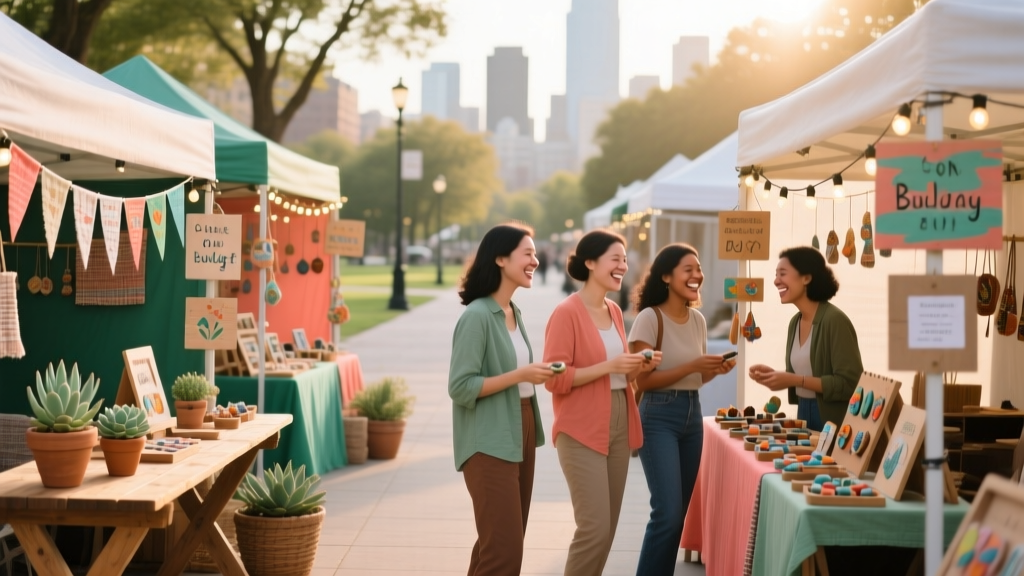
A Craft Fair on a Budget: Plan, Organize, and Coordinate a High-Impact Event Without Overspending
Craft fairs are one of the most community-friendly events you can host: they support small businesses, create a fun shopping experience, and bring people together in a low-pressure, high-energy setting. The challenge is that “simple” events can quietly become expensive—tables, permits, signage, insurance, marketing, and last-minute fixes add up fast.
Proper event planning is what keeps a budget craft fair from turning into a financial stress test. When you build a clear plan (venue + vendors + visitor flow + safety + marketing), you reduce surprises, make smarter purchasing decisions, and coordinate volunteers and vendors with confidence. A well-organized craft fair also feels more professional, which helps attract better vendors, encourages repeat attendance, and improves your chances of earning sponsorships next time.
This guide breaks down step-by-step craft fair planning with practical timelines, budget considerations, vendor selection tips, and proven coordination strategies—so you can host a successful craft fair on a budget without sacrificing the attendee experience.
Set Your Craft Fair Goals (Before You Spend a Dollar)
Start with three clear decisions. They guide every cost and coordination choice that follows.
1) Define your purpose
- Fundraiser: prioritize booth fees, sponsorships, raffle revenue, and controlled expenses.
- Community event: prioritize accessibility, vendor variety, and attendance.
- Brand-building: prioritize a consistent look, photo-worthy details, and a smooth guest experience.
2) Choose your event size and format
- Mini fair: 10–20 vendors, 2–4 hours, ideal for schools, churches, local clubs.
- Standard fair: 25–60 vendors, 4–6 hours, indoor/outdoor options.
- Pop-up market series: smaller recurring events (monthly/seasonal), easier to refine over time.
3) Establish success metrics
Pick measurable targets so you can plan and adjust quickly:
- Number of vendors booked
- Attendance goal (and how you’ll track it)
- Break-even point and fundraising target
- Vendor satisfaction (simple post-event survey)
Budget Basics: A Smart, Simple Craft Fair Budget That Works
The most reliable way to stay on budget is to build a “must-pay” list first, then allocate money to optional upgrades. Use this practical approach:
Core budget categories
- Venue costs: rental fee, deposit, cleaning fee, security (if required)
- Permits/insurance: event permit, liability insurance, fire/health compliance (food vendors)
- Equipment: tables/chairs, tents, weights, lighting, extension cords, tape, signage stands
- Marketing: flyers, banners, boosted posts, email platform (if needed)
- Operations: staff/volunteer supplies, wristbands/tickets, cash box, POS fees
- Experience add-ons: music, kids’ area, photo spot, raffles
Example budget breakdown (40 vendors, community center, 5-hour event)
Adjust numbers by location and season. This example shows how a budget craft fair can stay lean while still feeling polished.
- Venue rental: $450
- Insurance (single-day liability): $175
- Permits/misc. fees: $75
- Tables/chairs rental (if not included): $300
- Signage/printing: $120
- Marketing: $150 (flyers + small social boost)
- Supplies: $80 (tape, zip ties, pens, lanyards, trash bags)
- Volunteer snacks/water: $60
- Contingency (10%): $141
Total estimated expenses: $1,551
Revenue example: 40 vendors x $50 booth fee = $2,000 (plus raffles/sponsors) → room for fundraising or upgrades.
Budget-saving strategies (that don’t look “cheap”)
- Use inclusive venues: spaces with tables/chairs included (schools, community centers, VFW halls).
- Standardize booth sizes: fewer custom requests means fewer layout problems and less equipment cost.
- Borrow and trade: ask local businesses to loan easels, stanchions, or a PA system in exchange for logo placement.
- Print smarter: one large banner + a few directional signs beats dozens of small prints.
- Choose high-impact decor: a coordinated entry table and clear signage improve “professional feel” more than scattered decorations.
Vendor Selection Tips: Build a Balanced, Sellable Craft Fair Lineup
Vendor curation is a modern event planning trend for markets: attendees expect variety and fewer duplicates. Strong vendor mix increases sales, improves word-of-mouth, and makes your event feel intentional.
Create a vendor plan (not just a vendor list)
- Limit duplicates: cap categories (e.g., no more than 3 candle vendors).
- Balance price points: mix impulse buys ($5–$20) with statement pieces ($50+).
- Include “experience” vendors: live personalization, on-site demos, make-and-take mini workshops.
- Confirm compliance: food vendors may need permits, handwashing stations, or local approvals.
Set clear vendor requirements (budget-friendly and fair)
- Booth fee, what’s included (table/chairs/electric), and what’s extra
- Arrival and setup times, vehicle unloading rules
- Display safety rules (no open flames, tent weights required outdoors)
- Insurance requirements (if applicable) and tax responsibility
Real-world vendor example: preventing “same-y” booths
If 12 applicants sell resin jewelry, accept 3–4 with distinct styles (minimalist, colorful, custom name pieces) and place them in different aisles. Offer waitlist spots to others and share your category cap policy upfront. This keeps the lineup exciting and avoids vendor frustration from over-saturation.
Venue, Layout, and Flow: Spend Less by Planning Better
Layout mistakes create hidden costs: extra tables, last-minute signage, staffing confusion, and crowd bottlenecks. Good event coordination starts with a simple map.
Choose the right venue for a budget craft fair
- Indoor venues: easier weather planning, consistent foot traffic, usually require less equipment.
- Outdoor venues: can be cheaper or free, but require tents, weights, weather contingencies, and more staffing.
Simple layout rules that improve sales and reduce problems
- Wider aisles: aim for 8–10 feet where possible for strollers and two-way traffic.
- Anchor points: place popular vendors or a raffle table at the back to pull traffic through the space.
- Keep check-in visible: clear entrance signage + welcome table reduces confusion and volunteer workload.
- Create “rest zones”: a few chairs or a small seating area increases dwell time and shopping.
Trend-friendly touches that don’t blow your budget
- QR codes: one QR at entry for vendor list/map, reducing print costs.
- Cashless-friendly messaging: signage like “Most vendors accept cards” encourages spending.
- Instagrammable corner: a simple backdrop (fabric + balloons/greenery) for photos and social sharing.
Step-by-Step Planning Timeline (With Checklist Items)
Use this event planning timeline as your working template. Adjust the weeks based on your event size.
8–10 weeks before: Foundations
- Set date, hours, and rain plan (for outdoor events)
- Confirm venue contract and what’s included (tables/chairs, setup time, insurance rules)
- Build your budget spreadsheet and set booth fee pricing
- Create vendor application (Google Form works well) and category caps
- Draft your floor plan template (even a basic sketch)
6–8 weeks before: Vendor booking + marketing setup
- Open vendor applications and begin approvals weekly (not all at once)
- Collect deposits/fees and send vendor agreements/confirmations
- Book any rentals (tents, extra tables, signage stands)
- Create your event listing: Google Business Profile/Maps (if applicable), Facebook Event, Eventbrite (optional)
- Start marketing content: vendor spotlights, behind-the-scenes, countdown posts
4–6 weeks before: Logistics and coordination
- Finalize layout draft based on vendor needs (electric, corner requests)
- Recruit volunteers and assign roles (setup, check-in, floaters, teardown)
- Confirm permits/insurance and any venue-required forms
- Design core signage: entrance banner, directional arrows, restrooms, exits
- Plan revenue add-ons: raffle baskets, donation table, sponsorship shout-outs
2–3 weeks before: Details that prevent day-of chaos
- Send vendor packet:
- Arrival time window and unloading instructions
- Parking map
- Booth number and layout map
- Rules (no early teardown, safety requirements, trash policy)
- Confirm volunteer schedule and provide a simple “who to call” list
- Buy supplies (tape, zip ties, markers, extension cords, first-aid basics)
- Schedule social posts and email reminders
Week of: Final confirmation
- Confirm vendor attendance and fill cancellations from waitlist
- Print essential items only (maps for volunteers, a few vendor lists)
- Prepare cash box, receipt book, raffle tickets, QR code signage
- Walk through the venue (or review photos) to confirm:
- Power outlets and traffic flow
- Restroom access
- Loading doors and staging zones
Event day: Operations checklist
- Arrive early with a clear setup plan and labeled zones
- Set up entry/check-in first (it controls the entire flow)
- Place directional signage at decision points (doors, hallway intersections)
- Do a safety scan: cords taped down, exits clear, no blocked walkways
- Assign one floater volunteer for vendor needs and quick fixes
- Take photos early (before crowds) and again during peak time
Post-event: Wrap-up within 48 hours
- Thank vendors and sponsors (email + social tag where appropriate)
- Send a short vendor survey (5 questions max)
- Reconcile budget: revenue, expenses, profit/fundraising total
- Document lessons learned: layout notes, best marketing channels, timing tweaks
- Save templates for next time (vendor packet, map, checklist)
Marketing a Craft Fair on a Budget (That Still Fills the Room)
Low-cost marketing works best when it’s consistent and local. Current event planning trends favor short-form video and community partnerships over expensive ads.
High-ROI marketing tactics
- Vendor spotlights: give each vendor a post + story; vendors share it, multiplying reach.
- Short videos: 10–20 second clips of products, setup previews, raffle baskets.
- Community calendars: libraries, schools, local radio, chamber of commerce listings.
- Cross-promotion: partner with a coffee shop or gym for flyer placement.
- Email reminders: one announcement + one “this weekend” message.
Example: $50 marketing plan
- $20: print 40–60 mini flyers for high-traffic bulletin boards
- $30: boost one high-performing vendor spotlight post to a tight local radius
Common Craft Fair Planning Mistakes to Avoid
- Underpricing booth fees: calculate break-even first, then set fees with a buffer for cancellations.
- Allowing too many duplicates: it hurts vendor sales and reduces attendee excitement.
- Skipping signage: confusion creates crowding and complaints; prioritize directional signs and a clear entrance table.
- No contingency budget: even a 10% buffer prevents stressful, last-minute spending.
- Weak load-in plan: without staggered arrival times and unloading instructions, setup becomes a traffic jam.
- Not assigning roles: “Everyone helps” usually means no one owns key tasks. Assign a lead for each zone.
FAQ: Planning a Craft Fair on a Budget
How much should I charge for a vendor booth?
Price based on your break-even point and local market rates. A common range for small community events is $35–$75 for a standard booth space. Consider charging extra for electricity, premium corners, or extra tables.
Do I need insurance for a craft fair?
Many venues require event liability insurance, even for small markets. If you’re using a public space or expecting a larger crowd, insurance is a smart risk-management move. Check your venue contract and local requirements.
What’s the cheapest venue option for a craft fair?
Schools, community centers, churches, and fraternal halls often offer affordable rates and include tables/chairs. Ask about off-peak pricing (weekday evenings or Sundays) to reduce costs.
How do I attract vendors without spending on ads?
Post in local maker groups, partner with craft guilds, and create a simple vendor application with clear benefits (estimated attendance, marketing plan, table inclusion). Vendor spotlights also help you recruit because vendors see active promotion.
What should be in a vendor agreement?
Include booth fee, setup/teardown rules, safety requirements, cancellation policy, what’s included (tables/electric), and basic conduct expectations. Clear agreements reduce disputes and protect your timeline on event day.
How can I increase revenue without raising booth fees?
Add a raffle, donation station, low-cost sponsorship packages (logo on banner, social shout-outs), or a small “featured vendor” upgrade. These options can raise funds without pressuring vendors.
Your Next Steps: A Simple Plan to Start Today
- Pick your date and venue (and confirm what’s included).
- Build a one-page budget with must-pay costs and a 10% contingency.
- Create your vendor application with category caps and clear booth options.
- Draft your layout and a load-in plan before you accept final vendor count.
- Launch marketing using vendor spotlights, community calendars, and short-form video.
A craft fair on a budget works best when you rely on strong coordination strategies, clear communication, and a simple planning timeline you can repeat. Save your templates, track what worked, and your next event will be even easier—and more profitable.
Want more step-by-step event planning, party organization, and coordination guides? Explore the latest resources on smartpartyprep.com and keep building events that feel polished, welcoming, and well-managed.
More Articles
 What to Write in a Graduation Party Invitation: The 7-Second Rule (and Why 83% of Invites Get Ignored Before the RSVP Deadline)
What Political Party Is Kendrick Lamar? The Truth Behind His Activism, Grammy Protests, and Why He Refuses Labels — And What It Means for Your Next Civic Engagement Event
How to Get Halsin in Your Party BG3: The Only 4-Step Guide That Works in Act 1, Act 2, AND Shadow-Cursed Lands—No Spoilers, No Missed Triggers, Just Guaranteed Access
What to Wear to a Work Cocktail Party: The 7-Second Dress Code Decoder (No More Awkward Guesswork, No More Last-Minute Panic)
Don’t Kill the Party, Kanye: 7 Proven Tactics Event Planners Use to Rescue Energy, Fix Awkward Lulls, and Keep Guests Dancing (Without Going Viral for the Wrong Reasons)
What to Write in a Graduation Party Invitation: The 7-Second Rule (and Why 83% of Invites Get Ignored Before the RSVP Deadline)
What Political Party Is Kendrick Lamar? The Truth Behind His Activism, Grammy Protests, and Why He Refuses Labels — And What It Means for Your Next Civic Engagement Event
How to Get Halsin in Your Party BG3: The Only 4-Step Guide That Works in Act 1, Act 2, AND Shadow-Cursed Lands—No Spoilers, No Missed Triggers, Just Guaranteed Access
What to Wear to a Work Cocktail Party: The 7-Second Dress Code Decoder (No More Awkward Guesswork, No More Last-Minute Panic)
Don’t Kill the Party, Kanye: 7 Proven Tactics Event Planners Use to Rescue Energy, Fix Awkward Lulls, and Keep Guests Dancing (Without Going Viral for the Wrong Reasons)
 Can a lawyer represent both parties? The truth about dual representation—and why it’s almost always a dangerous shortcut that risks your rights, your money, and your peace of mind.
How Many Nuggets in Party Pack Wendy's? The Real Count (Plus Portion Planning, Cost Per Person & How to Avoid Running Out at Your Next Event)
How Many Party Members in BG3? The Truth About Optimal Squad Size, Why 4 Is Strategic Gold (Not 3 or 5), and How Overloading Kills Your Story & Combat Flow
What Are the Political Parties in Mexico? A Clear, Up-to-Date Breakdown of All 8 Registered Parties — Including Their Ideologies, Leaders, Electoral Strength, and How They Shape Mexico’s 2024–2027 Governance
Can a lawyer represent both parties? The truth about dual representation—and why it’s almost always a dangerous shortcut that risks your rights, your money, and your peace of mind.
How Many Nuggets in Party Pack Wendy's? The Real Count (Plus Portion Planning, Cost Per Person & How to Avoid Running Out at Your Next Event)
How Many Party Members in BG3? The Truth About Optimal Squad Size, Why 4 Is Strategic Gold (Not 3 or 5), and How Overloading Kills Your Story & Combat Flow
What Are the Political Parties in Mexico? A Clear, Up-to-Date Breakdown of All 8 Registered Parties — Including Their Ideologies, Leaders, Electoral Strength, and How They Shape Mexico’s 2024–2027 Governance
 How Can I Watch The Hunting Party? Your Step-by-Step Guide to Streaming Legally, Without Geo-Blocks, Subtitles, or Subscription Surprises (2024 Updated)