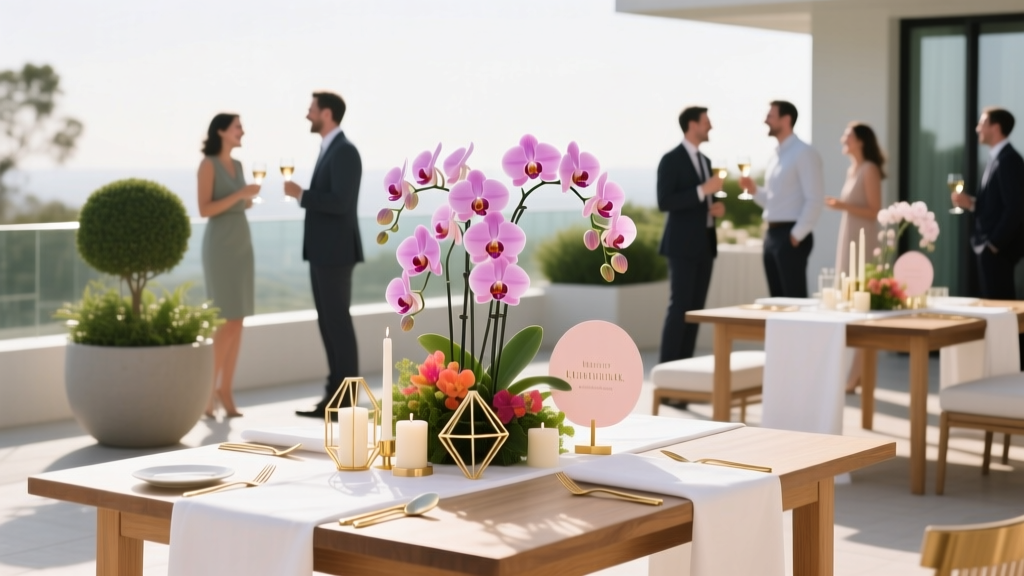
Corporate Retreat Decor Ideas That Wow
A corporate retreat is more than a change of scenery—it’s a strategic moment to reset culture, strengthen collaboration, and align teams around shared goals. Decor plays a bigger role than many planners expect. The right retreat event design improves focus, supports the agenda, elevates the experience, and makes the retreat feel purposeful rather than “just another offsite.”
Proper planning matters because corporate retreat decor has unique demands: it must reflect brand values, suit diverse audiences, work across multiple sessions (welcome, workshops, meals, social time), and remain functional for productivity. When decor is planned with intention, it becomes a silent facilitator—guiding movement, reinforcing themes, and encouraging connection.
Use this guide as your step-by-step playbook. You��ll find practical corporate retreat decor ideas, a planning timeline, vendor selection advice, budgeting tips, trends, real-world examples, and common mistakes to avoid—so you can coordinate a retreat that looks polished, feels cohesive, and wows attendees.
Start With the “Why”: Define Your Retreat Theme and Goals
Before selecting centerpieces or signage, define what the retreat needs to accomplish. Strong retreat planning starts with clarity—then the decor choices become obvious.
Quick goal-to-decor mapping
- Reconnect remote teams: lounge groupings, name moments (personalized place cards), large interactive boards.
- Strategic planning: clean, low-distraction palettes, strong wayfinding signage, workshop tables with supplies pre-set.
- Recognition + morale: branded photo moment, awards display, elevated lighting, celebratory tablescapes.
- Innovation and creativity: flexible zones, writable surfaces, bold color accents, playful props.
Pick a theme that supports the environment
Trends in corporate event planning lean toward “purposeful minimalism” and “experience zones.” Themes that work well:
- Modern Wellness: natural textures, greenery, soft lighting, hydration bar styling.
- Local Immersion: decor inspired by the destination—regional color palettes, artisan elements, local florals.
- Future-Forward: sleek signage, LED accents, projection, high-contrast monochrome with one brand color.
- Campfire Collaboration: warm wood tones, cozy seating, layered textiles, lantern lighting.
Corporate Retreat Decor Ideas by Key Retreat Zones
Design your retreat like a mini campus: each zone has a job to do. This approach keeps your event coordination smooth and your spending strategic.
1) Arrival + Registration: The first 5 minutes set the tone
- Branded welcome wall: lightweight step-and-repeat, fabric backdrop, or a simple “Welcome, Team [Name]” sign with a balloon garland or greenery border.
- Check-in table styling: linen, clean acrylic sign holders, labeled baskets for badges, branded pens, and a small floral/greenery accent.
- Wayfinding signage: one master schedule board plus directional signs to meeting rooms and restrooms. Keep fonts consistent with brand guidelines.
- “Grab & Go” essentials: water, mints, stain remover wipes, mini sunscreen, phone chargers neatly arranged in a basket.
2) Main Meeting Room: Decor that supports focus
- Stage/back wall: use drape + uplighting for a high-impact look without heavy build costs. Add a logo projection (gobo) if available.
- Tabletop function-first: notepads, markers, agenda cards, and a small centerpiece that doesn’t block sightlines (bud vases, low greenery, or minimal arrangements).
- Breakout “resource bar”: a side table with sticky notes, index cards, extra markers, tape, and snacks—labeled and styled so it looks intentional.
- Acoustic comfort: incorporate soft materials (drapes, rugs in lounge corners) to reduce echo, especially in hotel ballrooms.
3) Breakout Zones: Make collaboration easier
- Color-coded team areas: assign each group a color and echo it in table signs, folders, and small decor items.
- Portable decor kits: one basket per table (markers, sticky notes, timer, name tents) creates consistency and speeds up resets.
- Writable surfaces: whiteboards, flipcharts, or adhesive wall pads. Add simple signage: “Ideas live here.”
- Micro-lounges: 2–4 chairs with a coffee table and a small plant for informal discussions.
4) Meals + Networking: Where connection happens
- Family-style centerpieces: garlands with bud vases or mixed candle clusters (LED for safety) keep the table conversational.
- Menu + place card combo: one printed card can serve as both. Add a prompt on the back (e.g., “What’s one win from this quarter?”).
- Beverage station styling: tiered risers, labeled carafes, garnish bowls, and a small sign with brand voice.
- Conversation starters: table tents with 3 curated prompts to reduce awkwardness and encourage cross-team mingling.
5) Evening Social / Awards: Add “wow” with lighting
- Lighting upgrade: uplights, pin spots on centerpieces, string lights outdoors, or candle-style LEDs for instant ambiance.
- Photo moment: a simple branded backdrop plus flattering lighting. Include a prop bowl that matches your theme (but keep it tasteful for corporate culture).
- Awards display: create a dedicated table with elevated risers, spotlighting, and a clean sign—makes recognition feel meaningful.
6) Wellness + Recharge Areas: A current trend that pays off
Many companies are adding quiet zones to retreats to support accessibility and well-being.
- Recharge lounge: soft seating, a few plants, low lighting, and a “quiet” sign.
- Hydration + healthy snacks: styled fruit bowls, infused water labels, and neat trays.
- Phone-free corner: a decorative basket station for devices during certain sessions—optional and clearly communicated.
Design Principles That Make Corporate Retreat Decor Look Expensive (Without Overspending)
- Use a tight palette: 2 neutrals + 1 accent color (often a brand color). This keeps everything cohesive.
- Repeat key elements: the same font, icon style, and material choices across signage, agendas, and table cards.
- Scale matters: one large visual moment (welcome wall, stage backdrop, or ceiling installation) often beats many small items.
- Choose high-impact textures: linen-look tablecloths, matte acrylic signage, wood risers, and greenery read premium on camera.
- Prioritize photo angles: identify 2–3 “camera-ready” spots and build decor around them for maximum perceived value.
Step-by-Step Planning Timeline (Plus Checklist Templates)
6–8 weeks out: Strategy + sourcing
- Confirm retreat goals, attendee count, venue/layout, and schedule blocks.
- Select a theme and color palette aligned with brand and destination.
- Create a simple decor plan by zones (arrival, main room, breakouts, meals, evening).
- Draft a preliminary event budget with a decor line item and a 10–15% contingency.
- Shortlist vendors: rentals, florals/greenery, lighting/AV, signage/printing.
4–6 weeks out: Design + vendor booking
- Order or design signage: welcome sign, schedule board, directional signs, table numbers, menus.
- Book rentals: linens, lounge furniture, risers, easels, pipe-and-drape, and specialty items.
- Confirm lighting needs with venue/AV (uplights, spots, power requirements).
- Finalize centerpiece approach (low, non-blocking, easy to reset).
- Plan shipping and storage: where items arrive, who receives them, and where they’re staged.
2–3 weeks out: Production + packing
- Build a “decor inventory list” with quantities and assigned locations.
- Create labeled bins by zone (Registration, Main Room, Breakouts A/B/C, Dining, Awards).
- Print one master setup guide with photos or sketches for volunteers/staff.
- Confirm vendor timelines: load-in window, setup duration, strike procedures.
- Prepare spares: extra tape, command hooks, zip ties, batteries, extension cords.
Week of: Final confirmation
- Confirm final headcount and meal seating style.
- Send vendor confirmations in writing (times, address, on-site contact, parking).
- Walk the venue (or do a virtual walkthrough) and note power outlets and traffic flow.
- Prepare day-of schedule with setup milestones and responsibilities.
Day-of timeline checklist (sample)
- T-6 hours: Decor bins arrive; staging area organized by zones.
- T-5 hours: Registration area set (signage, badges, welcome wall).
- T-4 hours: Main room setup (stage backdrop, uplights, table settings).
- T-3 hours: Breakout kits placed; flipcharts/whiteboards positioned.
- T-2 hours: Dining tables styled; beverage station labeled.
- T-90 min: Photo moment tested; lighting and sightlines checked.
- T-60 min: Final walkthrough with checklist; remove clutter and packaging.
- T-15 min: Music/AV cues ready; doors open.
Budget Considerations: Where to Spend vs. Save
A smart retreat budget balances “wow moments” with functional essentials. Use this sample decor budget breakdown as a starting point (adjust based on region, venue policies, and guest count):
- Signage + printing (10–20%): welcome sign, schedules, table numbers, directional signs, menus.
- Lighting + AV decor support (15–30%): uplighting, pin spots, gobo logo projection, power distribution.
- Centerpieces + greenery (15–25%): low arrangements, bud vases, garlands, potted plants (often reusable).
- Rentals (20–35%): linens, lounge furniture, easels, pipe-and-drape, risers.
- Installation labor (10–25%): vendor setup/strike, especially for large backdrops.
- Contingency (10–15%): last-minute prints, replacement items, extra lighting.
High-impact “save” swaps
- Use potted plants instead of large floral arrangements (reuse across rooms).
- Choose fabric backdrops instead of custom builds.
- Replace heavy centerpieces with clusters of bud vases + candles (LED).
- Focus on one hero moment (welcome wall or stage) rather than decorating everywhere.
Vendor Selection Tips for Smooth Event Coordination
- Ask for corporate-ready portfolios: look for clean branding, readable signage, and professional setups (not only weddings).
- Confirm logistics in writing: load-in time, elevator access, union rules, venue insurance requirements.
- Request itemized quotes: rentals, delivery, setup, strike, damage waivers, overtime fees.
- Do a “substitution check”: if a linen or vase is out of stock, what’s the comparable substitute?
- Align on success criteria: for example, “All signage installed by 8:30 AM” or “Centerpieces must be under 10 inches tall.”
Real-World Examples: Decor Concepts That Deliver
Example 1: Tech company strategy retreat (120 attendees, hotel conference center)
- Goal: focus + alignment.
- Decor plan: monochrome palette with one brand accent color; stage drape + uplighting; clean acrylic signage; minimal greenery runners on dining tables.
- Wow moment: gobo logo projection behind the speaker area plus a single branded photo wall near registration.
- Result: polished look, easy resets between sessions, strong photos for internal comms.
Example 2: Sales kickoff-style retreat (80 attendees, resort)
- Goal: motivation + recognition.
- Decor plan: awards display with spotlighting; celebratory balloon accent in brand colors; bold table numbers; lounge seating for networking.
- Wow moment: “Wins Wall” where teammates posted achievements on branded cards throughout the retreat.
- Result: high energy, easy engagement, strong team interaction.
Example 3: Leadership offsite (25 attendees, boutique venue)
- Goal: trust-building + deep discussion.
- Decor plan: warm neutrals, candles (LED), soft textiles, minimalist signage, curated local florals.
- Wow moment: styled dinner with personalized place cards and a gratitude prompt at each seat.
- Result: intimate, intentional atmosphere without heavy branding.
Common Corporate Retreat Decor Mistakes (and How to Avoid Them)
- Overdecorating the meeting room: busy centerpieces and clutter distract. Keep visuals clean and sightlines open.
- Ignoring traffic flow: beautiful setups that block entrances, buffets, or aisles create frustration. Walk the pathway before final placement.
- Underestimating setup time: signage, lighting, and rentals take longer than expected—build in buffer time.
- Inconsistent branding: mismatched fonts and colors look unprofessional. Create a one-page style guide for all printed pieces.
- Skipping contingency supplies: bring tape, command strips, extra batteries, and backup signage prints.
- No plan for strike and storage: assign who packs what, and where it goes—especially if multiple rooms are used across days.
FAQ: Corporate Retreat Decor and Event Setup
How far in advance should I plan corporate retreat decor?
Start 6–8 weeks out for most retreats, especially if you need custom signage, rentals, or lighting. For destination retreats or peak seasons, 10–12 weeks gives you more vendor options and better pricing.
What decor makes the biggest impact for the lowest cost?
Lighting (uplights), a cohesive signage suite, and one “hero” branded moment (welcome wall or stage backdrop) typically deliver the biggest perceived upgrade without requiring expensive florals.
How do I keep decor professional but still fun?
Use brand-aligned color accents, elevated materials (linen textures, matte signage), and interactive elements like a “Wins Wall” or conversation prompt cards. Keep props tasteful and avoid anything that could feel gimmicky.
Do I need a theme for a corporate retreat?
A theme helps unify decisions and creates a cohesive experience, but it doesn’t have to be literal. Even a simple concept like “Modern Wellness” or “Local Immersion” is enough to guide color palette, materials, and signage tone.
How can I reuse decor across multiple retreat days?
Choose potted plants, bud vases, neutral linens, and modular signage. Move the same décor pieces between the main room, dining, and lounge areas to refresh spaces without buying more items.
What should I ask vendors before signing a contract?
Ask about delivery/setup windows, overtime rates, substitutions, insurance, damage waivers, what’s included in installation, and who your on-site contact will be during load-in and strike.
Actionable Next Steps: Your Corporate Retreat Decor Launch Plan
- Lock the retreat goals and pick a theme + 2-neutrals-and-1-accent palette.
- Sketch your zones (arrival, main meeting, breakouts, meals, evening) and assign a purpose to each.
- Choose one hero “wow moment” and prioritize it in your decor budget.
- Build a decor inventory list with labeled bins and a printed setup guide.
- Confirm vendors with itemized quotes and written logistics.
- Do a final walkthrough for traffic flow, power access, and signage placement.
If you want more step-by-step event planning help—from corporate event checklists to party organization systems—explore more practical guides on smartpartyprep.com.
More Articles
 Why Is It Called a Hen Party? The Surprising Origins, Evolution, and Modern Meaning Behind This Bridal Tradition — Plus What to Call It If You're Planning One Today
What Are Party Drugs? The Truth Every Host Needs to Know Before Planning Their Next Gathering — Because Ignorance Isn’t Just Dangerous, It’s Unforgivable
Was Drake at Diddy Parties? The Truth Behind the Rumors, Verified Guest Lists, Security Protocols, and How Top-Tier Events Actually Work — What Planners & Guests Need to Know in 2024
Why Did Gatsby Stop Throwing Parties? The 5 Strategic Reasons Every Modern Event Planner Needs to Understand Before Scaling Back — and How to Do It Without Losing Your Brand’s Momentum
How to Decorate a Garage for a Party: 7 Realistic, Budget-Savvy Steps That Actually Work (No Drywall Damage, No Renting a Tent, No Stress)
What Party Was FDR Affiliated With? The Surprising Truth Behind His Democratic Identity — And Why 3 Out of 4 Americans Still Misunderstand His Real Political Legacy
What Is The Show The Hunting Party About? — A No-Fluff Breakdown of How This Live Social Game Actually Works (And Why Your Next Team Event Needs It)
What Is a White Elephant Christmas Party? The Ultimate No-Stress Guide to Hosting One That Actually Feels Fun (Not Awkward) — Rules, Gift Ideas, & Pro Tips You’ve Been Missing
Why Is It Called a Hen Party? The Surprising Origins, Evolution, and Modern Meaning Behind This Bridal Tradition — Plus What to Call It If You're Planning One Today
What Are Party Drugs? The Truth Every Host Needs to Know Before Planning Their Next Gathering — Because Ignorance Isn’t Just Dangerous, It’s Unforgivable
Was Drake at Diddy Parties? The Truth Behind the Rumors, Verified Guest Lists, Security Protocols, and How Top-Tier Events Actually Work — What Planners & Guests Need to Know in 2024
Why Did Gatsby Stop Throwing Parties? The 5 Strategic Reasons Every Modern Event Planner Needs to Understand Before Scaling Back — and How to Do It Without Losing Your Brand’s Momentum
How to Decorate a Garage for a Party: 7 Realistic, Budget-Savvy Steps That Actually Work (No Drywall Damage, No Renting a Tent, No Stress)
What Party Was FDR Affiliated With? The Surprising Truth Behind His Democratic Identity — And Why 3 Out of 4 Americans Still Misunderstand His Real Political Legacy
What Is The Show The Hunting Party About? — A No-Fluff Breakdown of How This Live Social Game Actually Works (And Why Your Next Team Event Needs It)
What Is a White Elephant Christmas Party? The Ultimate No-Stress Guide to Hosting One That Actually Feels Fun (Not Awkward) — Rules, Gift Ideas, & Pro Tips You’ve Been Missing
 What Is a Function of a Political Party? 7 Real-World Functions You Didn’t Learn in Civics Class — And Why Misunderstanding Them Weakens Democracy
Which political party is in charge of Ontario right now? Here’s the exact current government status — plus how to verify it yourself in under 60 seconds, track upcoming leadership changes, and understand what it means for your business permits, school board decisions, and rent regulation updates.
What Is a Function of a Political Party? 7 Real-World Functions You Didn’t Learn in Civics Class — And Why Misunderstanding Them Weakens Democracy
Which political party is in charge of Ontario right now? Here’s the exact current government status — plus how to verify it yourself in under 60 seconds, track upcoming leadership changes, and understand what it means for your business permits, school board decisions, and rent regulation updates.