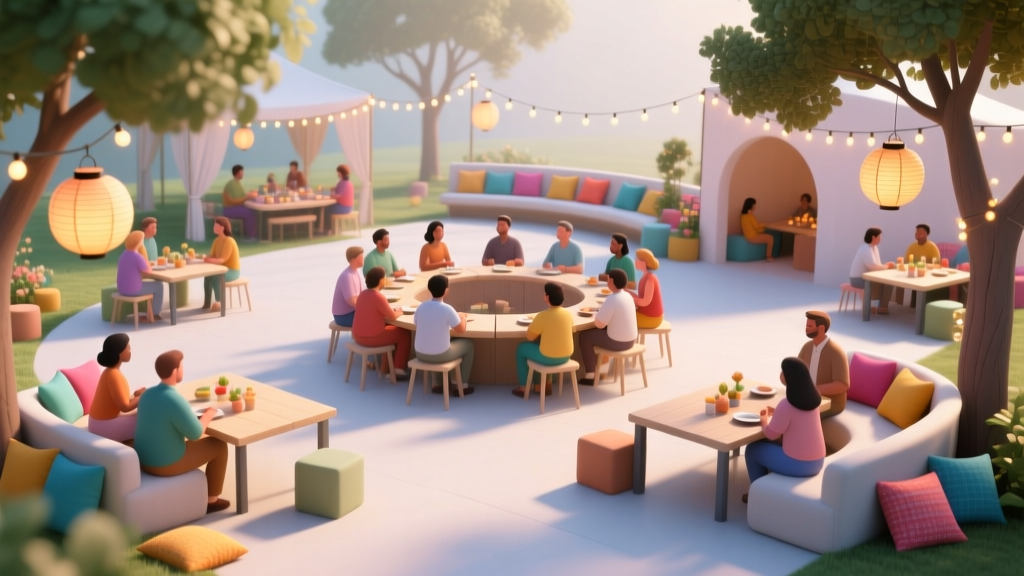
Community Festival Seating Arrangement Ideas
A community festival can feel effortless to attendees—people arrive, find a place to sit, enjoy performances and food, then wander through activities. Behind the scenes, seating is one of the biggest drivers of that smooth experience. The right layout keeps walkways open, supports accessibility, improves vendor sales, and prevents bottlenecks that can quickly turn a family-friendly festival into a crowded, stressful environment.
Seating also shapes how people connect. When you plan intentional zones—like picnic seating near food trucks, quiet seating for seniors, and flexible seating by the stage—you guide traffic flow and create comfort for different needs without adding heavy staffing. Thoughtful event planning and coordination around seating reduces complaints, increases time-on-site, and gives your festival the “we should come back next year” feeling.
This guide shares practical community festival seating arrangement ideas, step-by-step planning timelines, budget tips, vendor selection guidance, and common mistakes to avoid—so you can build a seating plan that’s organized, safe, and welcoming.
Start With the Basics: Goals, Guest Mix, and Site Realities
Define your seating goals (what success looks like)
- Comfort: People can find a seat within 1–3 minutes in key areas (stage, food, kids zone).
- Flow: Main aisles stay clear even during peak meal times and headline performances.
- Accessibility: ADA-compliant routes and seating options are obvious and easy to reach.
- Revenue support: Seating encourages food purchases and keeps attendees near vendors longer.
- Safety: No blocked emergency access; crowd density remains manageable.
Know your audience and peak times
Estimate attendance by hour, not just total headcount. Seating demand spikes during:
- Lunch/dinner windows (food vendors busiest)
- Performances and ceremonies (stage areas pack quickly)
- Kids activities and contests (families cluster)
Practical rule: For festivals with roaming activities, aim for seating that serves 30–60% of peak attendance at any one time, depending on how stage-centric the event is. A music-heavy festival needs more stage seating; a marketplace-style festival can use fewer seats with more “pause points.”
Community Festival Seating Arrangement Ideas (Layouts That Work)
1) The “Neighborhood Zones” layout (best for multi-activity festivals)
Create distinct seating zones that match attendee behavior. This is a top trend in event planning because it improves flow and makes large sites feel easy to navigate.
- Food Court Seating Zone: High-density tables, quick turnover, close to vendors.
- Stage Viewing Zone: Mix of chairs, benches, and open blanket space.
- Family Zone Seating: Picnic tables, stroller parking, shade, near restrooms.
- Quiet/Rest Zone: Senior-friendly seating, lower noise, hydration station nearby.
Real-world example: A 2,000-person neighborhood festival placed 40% of its seating near food trucks, 30% near the stage, 20% in the family zone, and 10% as quiet seating. The result: fewer lines at vendors because people stayed nearby and ordered in waves instead of all at once.
2) “Food-first spine” seating (best for food truck festivals)
Design a central pedestrian “spine” with vendors on one side and seating on the other to prevent crowd clumps in front of order windows.
- Place trash/recycling at both ends and in the middle of the seating side.
- Keep two clear lanes: one for browsing and one for through-traffic.
- Add standing rails (bar-height ledges) for quick eats to reduce table demand.
3) “Stage bowl” seating (best for performance-heavy programming)
Instead of forcing everyone into tight rows, blend options so attendees can self-select comfort.
- Front: Limited chair rows (reserved/accessible/priority).
- Middle: Open chair pods (clusters of 4–8 chairs).
- Back: Blanket lawn and standing area.
Pro tip: Chair pods reduce the “packed sardine” feeling, allow families to sit together, and leave natural micro-aisles for movement.
4) “Marketplace pockets” seating (best for craft fairs and vendor villages)
Scatter small seating pockets every 150–250 feet to encourage lingering and reduce fatigue. Great for older guests and families.
- Benches under shade
- Two-top café tables for resting and drinks
- Charging station seating (popular current trend)
5) Mixed seating types for comfort and flexibility
Festivals are diverse. Offer multiple seating types to serve different needs and budgets:
- Chairs: Flexible placement; good for stage zones and seniors.
- Picnic tables: Durable, family-friendly, great for food courts.
- Benches: High capacity per linear foot; good for walkways and rest zones.
- Soft seating lounges: Sponsor-worthy VIP area; great for photo ops.
- Standing tables/rails: Fast turnover, smaller footprint.
- Bring-your-own blanket lawn: Low cost; ensure clear boundaries and accessible routes.
Comfort, Safety, and Accessibility: The Non-Negotiables
Keep aisles and emergency routes clear
- Design main pathways first, seating second.
- Plan at least one wide, direct emergency lane to stage, food, and dense areas.
- Use stanchions, fencing, or planters to prevent chairs from drifting into aisles.
ADA-friendly seating strategies
- Distribute accessible seating in multiple zones (not only one designated area).
- Provide companion seating next to wheelchair spaces.
- Ensure accessible routes to restrooms, viewing areas, and food zones.
- Train volunteers to guide guests without making accessibility feel “separate.”
Shade, weather, and ground conditions
- Place seating near existing shade first (trees, buildings), then add tents.
- On grass, avoid flimsy chairs that sink; consider sturdy folding chairs or picnic tables.
- Plan wet-weather alternatives: covered seating or rapid chair relocation zones.
Step-by-Step Planning Timeline (With Checklist Templates)
8–12 weeks out: Site plan and seating concept
- Confirm site map with measurements and fixed features (trees, hydrants, electrical, entrances).
- Estimate peak attendance by hour (use prior-year data, ticket scans, or local benchmarks).
- Choose your seating model: zones, spine, stage bowl, pockets, or a hybrid.
- Draft a preliminary layout with:
- Stage area
- Food vendors
- Restrooms and handwashing
- First aid
- Emergency access routes
- Set seating quantities and types (chairs vs tables vs benches).
6–8 weeks out: Rentals, vendors, and operations plan
- Get at least 3 quotes for table/chair rentals and delivery/setup options.
- Confirm whether vendor provides setup labor or drop-off only.
- Plan sanitation: trash, recycling, and optional compost near seating.
- Finalize signage plan (“Food Seating,” “Quiet Zone,” “Stage Viewing,” “Accessible Seating”).
- Coordinate with security/crowd management on choke points.
3–4 weeks out: Detailed seating map + staffing assignments
- Create a final scaled seating plan and share with:
- Rental company
- Vendors
- Stage manager
- Volunteer lead
- Safety officer
- Assign teams:
- Setup team (chairs/tables placement)
- Seating maintenance team (straighten, relocate, clear blocked aisles)
- Trash team (especially near food seating)
- Confirm lighting needs if festival runs into evening (walkways and seating edges).
1 week out: Final confirmations + contingency plans
- Confirm rental delivery window, load-in route, and contact numbers.
- Prepare a weather plan:
- What moves under tents?
- What stays in place?
- Who makes the call and by what time?
- Print maps for staff and volunteers (include seating zones and aisle rules).
Event day: Setup sequence checklist
- Mark emergency lanes and main walkways first (cones/tape/signage).
- Place large anchors: stage seating, food court seating, accessible seating.
- Add “pocket” benches/two-tops and quiet zone seating.
- Install trash/recycling near every seating cluster.
- Do a walkthrough:
- Are aisles clear?
- Can a stroller/wheelchair navigate?
- Are there shaded options?
- Is signage visible from 20–30 feet away?
Budget Considerations (Sample Breakdown)
Your seating budget depends on rental rates, delivery logistics, and labor. Here’s a practical planning breakdown you can adjust:
- Chairs (rental): 20–35%
- Tables/picnic tables: 20–30%
- Tents/shade structures: 15–25%
- Delivery, setup, and strike labor: 15–30%
- Signage, barriers, and layout tools: 5–10%
- Contingency (weather replacements/damage): 5–10%
Ways to reduce costs without reducing comfort
- Use a hybrid model: fewer chairs, more picnic tables and blanket lawn areas.
- Partner with sponsors for branded lounge seating or shaded rest zones.
- Borrow benches/tables from schools, parks, or community centers (confirm transport and liability).
- Prioritize seating where it changes behavior: food areas and stage viewing.
Vendor Selection Tips for Seating Rentals and Layout Support
- Confirm inventory and backups: Ask what happens if items arrive short or damaged.
- Ask about wind ratings for tents and what’s included (stakes, weights, sidewalls).
- Clarify responsibility for layout: Will they place to your map or just deliver to a pile?
- Review logistics: Delivery truck access, load-in times, and turf protection requirements.
- Check cleanliness standards: Especially for food court seating.
- Insurance: Request COI (certificate of insurance) and confirm you’re listed as additional insured when appropriate.
Common Community Festival Seating Mistakes to Avoid
- Putting all seating in one area: Creates overcrowding and long walks for families and seniors.
- Ignoring shade and sun angles: Seats in direct sun go unused even if the quantity looks good on paper.
- Underestimating trash needs near seating: Overflowing bins make seating areas unpleasant fast.
- Blocking vendor lines with tables: Keep ordering queues separate from dining zones.
- No “reset plan”: Chairs drift. Assign a team to straighten zones and reopen aisles every 30–60 minutes.
- Not planning for mobility devices and strollers: Accessible routes must be continuous, not just a single ramp.
Real-World Seating Plan Examples (Copy-and-Adapt)
Example A: 1,000-person community day in a park
- Food seating: 12 picnic tables + 40 folding chairs at café tables
- Stage area: 120 chairs in pods + open blanket lawn behind
- Quiet zone: 6 benches under trees + hydration station
- Family zone: 6 picnic tables near kids activities (with stroller parking)
- Operations: 1 volunteer team dedicated to seating reset and aisle checks
Example B: 3,500-person evening music festival downtown
- Stage bowl: Accessible viewing at front corners + chair pods mid-zone
- Standing rails: Added near beverage area to reduce table pressure
- Wayfinding: Tall signs visible over crowds (“Seating This Way”)
- Lighting: String lighting along seating edges + walkway lighting to prevent trips
FAQ: Community Festival Seating Arrangements
How many seats should a community festival provide?
For most community festivals with varied programming, plan seating for 30–60% of peak attendance at one time. Increase that if your event is stage-focused or if you expect many seniors and families with small children.
What’s the best seating setup near food trucks?
A “food-first spine” works well: keep ordering queues separate, place seating across a clear walking lane, add standing tables/rails for quick turnover, and cluster trash/recycling at the ends and center of the seating zone.
How do we reserve seating without making the festival feel exclusive?
Limit reserved seating to functional needs (accessible seating, seniors, sponsor/VIP if applicable) and keep most seating open. Use clear signage and staff/volunteers to help with friendly enforcement.
What are low-budget seating options that still look organized?
Use blanket lawn zones with defined boundaries, borrow community benches, rent fewer chairs by adding picnic tables and standing rails, and create “seating pockets” with small clusters instead of one huge seating field.
How do we keep aisles clear during busy moments?
Mark main walkways first, use light barriers (stanchions/planters/fencing) where chairs tend to drift, and assign a seating reset team to reopen aisles on a schedule (every 30–60 minutes).
Should we place seating close to the stage or spread it out?
Do both. Concentrate seating near the stage for performances, but also distribute seating pockets across the site to reduce fatigue and keep people circulating through vendors and activities.
Next Steps: Build a Seating Plan You Can Actually Run
- Sketch your site and lock in walkways and emergency lanes first.
- Choose a seating model (zones, spine, stage bowl, pockets) based on how guests will behave.
- Plan mixed seating types and place shade and accessibility at the center of decisions.
- Request rental quotes early and confirm delivery/setup responsibilities in writing.
- Assign a seating maintenance team and build aisle checks into your event-day schedule.
For more practical event planning, party organization, and day-of coordination guides, explore the latest resources on smartpartyprep.com.
More Articles
 How to Send Invitations for a Charity Gala
How to Throw a Retirement Party That Feels Personal, Not Predictable: 7 Non-Negotiable Steps (No Budget Blowouts, No Awkward Toasts, No Last-Minute Panic)
How to Send Invitations for a Charity Gala
How to Throw a Retirement Party That Feels Personal, Not Predictable: 7 Non-Negotiable Steps (No Budget Blowouts, No Awkward Toasts, No Last-Minute Panic)
 Which Party Does More Gerrymandering? The Data-Driven Truth Behind Redistricting Bias (2024 State-by-State Breakdown)
What to Wear to a Boat Party: 7 Non-Negotiable Outfit Rules (That Prevent Sunburn, Slip-Ups & Style Regrets)
Which Party Does More Gerrymandering? The Data-Driven Truth Behind Redistricting Bias (2024 State-by-State Breakdown)
What to Wear to a Boat Party: 7 Non-Negotiable Outfit Rules (That Prevent Sunburn, Slip-Ups & Style Regrets)
 How in Britain is a third party vote calculated? The truth behind FPTP, vote splitting, and why your 'protest vote' might accidentally help the party you hate most — explained step-by-step with 2024 election data.
Where Is the Party? The Real-Time Location Checklist Every Host & Guest Needs (Before You Leave Home, Lose Signal, or Show Up at the Wrong Address)
How to Party Up in Monster Hunter Wilds: The 7-Step Co-Op Setup Guide That Solves Lag, Mismatched Builds, and Ghosted Quests (No More Solo Grind)
How in Britain is a third party vote calculated? The truth behind FPTP, vote splitting, and why your 'protest vote' might accidentally help the party you hate most — explained step-by-step with 2024 election data.
Where Is the Party? The Real-Time Location Checklist Every Host & Guest Needs (Before You Leave Home, Lose Signal, or Show Up at the Wrong Address)
How to Party Up in Monster Hunter Wilds: The 7-Step Co-Op Setup Guide That Solves Lag, Mismatched Builds, and Ghosted Quests (No More Solo Grind)
 How Do You Plan a Bachelor Party That Actually Stays Fun (Not Chaotic)? A Stress-Free 7-Step Framework Backed by 127 Real Group Surveys & 3 Years of Planner Data