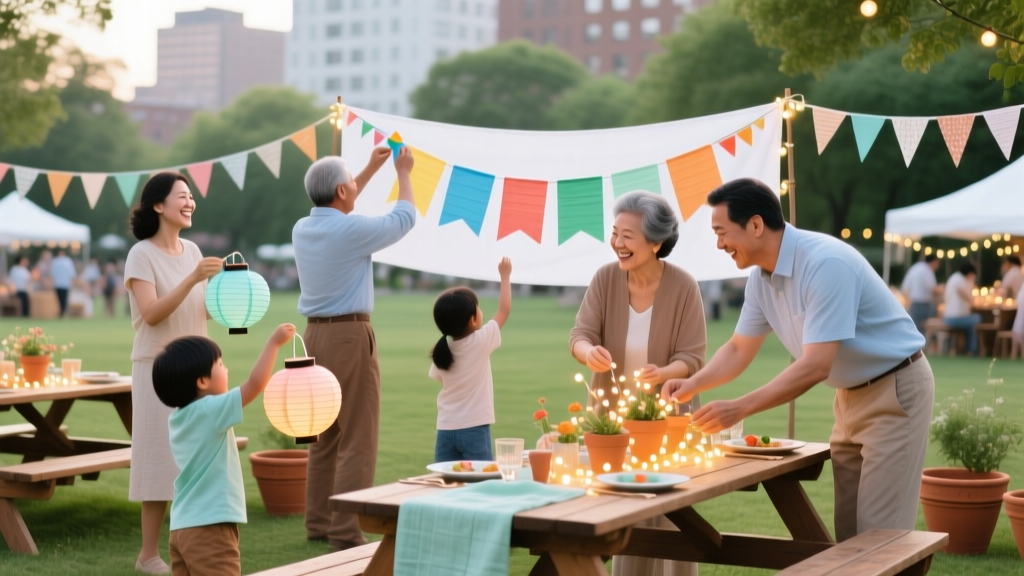
Community Festival Entertainment Ideas (and How to Plan Them Like a Pro)
A community festival can be the highlight of the season—bringing neighbors together, showcasing local talent, and strengthening the identity of a town, school, HOA, or nonprofit. The entertainment is what turns “an event” into an experience people talk about for weeks. The challenge: entertainment isn’t a single booking decision. It impacts your schedule, stage needs, crowd flow, safety plan, budget, volunteer staffing, and even vendor sales.
Proper planning matters because community festivals have more moving parts than most parties: multiple audiences (kids, teens, adults, seniors), multiple stakeholders (sponsors, city officials, venue managers), and multiple performance types (stage acts, roaming performers, interactive zones). When entertainment is planned early and coordinated tightly, you reduce last-minute scrambling, avoid sound and power issues, keep lines manageable, and create a program that feels intentional rather than improvised.
This guide shares practical community festival entertainment ideas, real-world examples, a step-by-step planning timeline, budget breakdowns, and vendor selection tips. Use it as your planning roadmap for smooth coordination, strong attendance, and a festival that feels welcoming and memorable.
Start With the Entertainment Strategy: Who, Where, and Why
Define your festival goals and audience segments
Before you book entertainment, clarify what success looks like. Common community festival goals include:
- Increase attendance year-over-year
- Fundraise for a cause
- Celebrate a cultural holiday or local milestone
- Support small businesses and local artists
- Create family-friendly community connection
Then map your audience segments. A practical approach is to plan entertainment “lanes” that run in parallel:
- Family lane: kids’ stage, crafts, story time, character meet-and-greets
- Community lane: local bands, cultural performances, contests, parade
- Experience lane: interactive demos, workshops, maker stations, photo ops
- Relax lane: acoustic set, picnic area music, seated shade zone
Choose your entertainment footprint and flow
Entertainment should support crowd flow and reduce bottlenecks. A proven layout for community festival planning includes:
- Main stage: anchor performances that draw crowds at set times
- Community stage or “local spotlight” area: rotating shorter sets
- Roaming entertainment: keeps energy up and reaches quieter areas
- Interactive zones: self-paced activities that reduce stage crowding
High-Impact Community Festival Entertainment Ideas
1) Main stage headliners that fit your community
Headliners don’t have to be expensive touring acts. The best festival entertainment feels aligned with your audience. Options include:
- Local cover bands (high crowd-pleasing value)
- Cultural dance troupes and drumlines
- School choirs, theater groups, and marching bands
- Comedians or improv groups (best for adult-heavy audiences)
- DJ + emcee combo for high-energy transitions
Real-world example: A 1-day neighborhood festival schedules a family band from 11:30–12:30, a youth talent showcase from 1:00–2:00, and a popular local cover band from 4:30–6:00. The result: steady attendance throughout the day, with a clear “stay for the finale” moment.
2) Short-set “festival programming” (keeps energy high)
Long sets can cause people to drift. A current trend in event coordination is programming in 20–40 minute blocks, with quick resets. Great short-set ideas:
- Cooking demos with tastings (partner with local restaurants)
- Mini “history moments” or storytelling about the neighborhood
- Fashion show featuring local boutiques
- Pet parade or “best dressed pet” showcase
- Community awards or volunteer recognition moments
3) Interactive entertainment zones (lower cost, higher engagement)
Interactive zones are a proven strategy for crowd management and attendee satisfaction. Consider:
- Maker station: screen printing, button-making, friendship bracelets
- Art wall: collaborative mural or chalk-art street
- STEM zone: robotics demos, slime lab, simple science shows
- Sports challenge zone: inflatable soccer darts, basketball pop-a-shot
- Wellness zone: yoga in the park, stretching sessions, guided meditation
Tip: Build at least one “line-free” activity (chalk art, giant lawn games) so families aren’t stuck waiting all day.
4) Roaming performers (instant atmosphere)
Roaming entertainment makes the entire footprint feel alive. Popular options:
- Stilt walkers, jugglers, and mime artists
- Balloon twisters and face painters
- Marching drumline pop-ups
- Costumed characters (ensure clear rules and photo-line management)
- Magicians doing mini street sets
Coordination note: Assign roaming performers a timed route and a “break base” location to reduce staff confusion and missed appearances.
5) Contests and audience participation (built-in excitement)
Well-run contests create memorable moments and encourage people to stay. Ideas:
- Talent show (pre-registration recommended)
- Hot pepper / pie-eating contest (check health and safety rules)
- Dance-off hosted by an emcee
- Trivia about the town with sponsor prizes
- Costume contest tied to a theme (fall harvest, cultural heritage, “decades day”)
Tip: Keep contest rules short, visible, and announced twice. Have prizes on hand before the contest starts.
6) Evening “anchor moments” that drive attendance
Anchor moments are the signature beats that help marketing and scheduling. Examples include:
- Lantern parade or glow dance party
- Outdoor movie screening
- Drone light show (growing trend where fireworks restrictions exist)
- Community sing-along with lyric screens
- Fire performers (requires permits, safety perimeter, and fire marshal approval)
Program Building: Sample Schedules That Work
Sample 6-hour daytime festival schedule
- 10:00 Gates open + roaming performers begin
- 10:30 Welcome + sponsor shoutouts (5–7 minutes)
- 10:45 Kids’ entertainer (30 minutes)
- 11:30 Local band set (45 minutes)
- 12:30 Cooking demo (25 minutes)
- 1:15 Community talent showcase (45 minutes)
- 2:15 Dance troupe performance (30 minutes)
- 3:00 Contest + prizes (20 minutes)
- 3:45 Headliner set (60 minutes)
- 4:45 Closing announcements + next-year teaser
Sample all-day festival with evening anchor
- Day programming: rotating short sets + interactive zones
- 6:00 PM: headline performance
- 7:30 PM: “anchor moment” (movie, drone show, glow party)
Step-by-Step Planning Timeline (with Checklist)
12–16 weeks out: Foundation and permits
- Confirm date, rain plan, and venue contract
- Create event budget and entertainment categories
- Check permit requirements (sound, street closure, fire, alcohol)
- Identify insurance needs (liability, vendor COIs)
- Draft site map: stages, power, restrooms, first aid, vendor rows
- Start sponsor outreach tied to entertainment (stage sponsor, kids zone sponsor)
10–12 weeks out: Book entertainment and key vendors
- Book headliner/anchor acts first (they set your schedule and tech needs)
- Secure AV: stage, sound system, microphones, lighting if needed
- Confirm power plan (generators vs. venue power) and load-in access
- Open applications for local performers (simple form + deadline)
- Hire emcee (or confirm internal host) to manage transitions
6–8 weeks out: Build the run-of-show and staffing plan
- Create a draft run-of-show with set times, changeovers, and buffer time
- Assign zone captains (main stage, kids zone, vendor area, volunteers)
- Confirm performer requirements: tech rider, arrival time, parking, green room
- Plan crowd flow: signage, queue stanchions, shaded waiting areas
- Launch marketing: teaser lineup, “save the date,” sponsor announcements
3–4 weeks out: Final confirmations
- Collect and file insurance certificates from vendors
- Finalize site map and send to vendors/performers
- Confirm sound check schedule and stage manager role
- Create printed signage: schedule boards, maps, rules, sponsor banners
- Order supplies: wristbands, radios, extension cords, gaffer tape
1 week out: Execution prep
- Hold a coordination call with key leads (AV, security, stage manager, volunteers)
- Print a one-page “day-of” contact sheet with phone numbers
- Pack an event kit: batteries, clipboards, first-aid basics, ponchos, zip ties
- Confirm weather monitoring plan and communication method
Day-of checklist: Keep it calm and controlled
- Venue walk-through: hazards, power access, emergency routes
- Vendor/performer check-in table opens before load-in
- Sound check completed with time buffer
- Stage schedule posted backstage and at the tech booth
- Volunteer briefing: roles, breaks, escalation path
- Continuous trash management and restroom checks
Budget Considerations (with Practical Breakdown)
Community festival budgets vary widely, but the same categories apply. A common mistake is spending on acts without budgeting for the production that makes them successful.
Sample entertainment budget breakdown (percent-based)
- Talent fees (bands/performers): 35–50%
- Production (stage, sound, lighting): 25–40%
- Interactive zones (inflatables, crafts, facilitators): 10–20%
- Permits/insurance/security support: 5–15%
- Contingency: 5–10%
Cost-saving strategies that still feel premium
- Book local talent bundles (two acts from the same agency for a discount)
- Use a “local spotlight” stage with community groups (low cost, high goodwill)
- Trade sponsor support for named zones (e.g., “Acme Kids Zone”)
- Schedule acoustic sets in low-power areas to reduce AV load
- Combine roles: a DJ who can also emcee and manage music between acts
Vendor Selection Tips for Entertainment and AV
How to choose performers
- Ask for recent live video clips (not just promo reels)
- Confirm audience fit: family-friendly lyrics, volume expectations, set length
- Get clear on arrival time, breaks, and overtime rates
- Use a simple contract covering payment, cancellation, weather plan, and conduct
How to choose sound/production vendors
- Hire AV vendors with outdoor festival experience (wind, noise ordinances, power)
- Request a line-item quote (stage, PA, mics, monitors, tech labor, generators)
- Confirm who provides the stage manager and who calls cues
- Align on decibel limits and curfew times if required by your city/venue
Trend: streamlined coordination with shared documents
Many successful festivals now use shared digital tools (Google Drive, Airtable, or event management software) for:
- Run-of-show updates
- Contact lists and vendor COIs
- Site maps and load-in instructions
- Volunteer schedules and shift swaps
Common Community Festival Planning Mistakes to Avoid
- Overbooking the schedule: Leave 10–15 minutes between sets for changeovers and announcements.
- No stage manager: Without a single point of control, acts start late and the day snowballs.
- Underestimating power needs: Food vendors, inflatables, and AV can overload circuits fast.
- Ignoring noise and neighbor concerns: Know local sound ordinances; position speakers thoughtfully.
- Poor line management: Face painting and inflatables need queue plans, shade, and clear wait-time signage.
- Unclear performer logistics: If parking, load-in, and check-in aren’t defined, you’ll lose hours.
- Not planning for weather: Have tenting, sandbags, and a communication plan ready.
FAQ: Community Festival Entertainment Planning
How many entertainment acts should a community festival have?
For a 4–6 hour festival, plan 4–8 scheduled stage moments plus ongoing roaming/interactive entertainment. The goal is consistent energy without making the day feel rushed.
What’s the best entertainment for a family-friendly festival?
A strong mix is a kids’ entertainer, a local band, hands-on activity zones (crafts, lawn games), and one “anchor” moment like a parade or community sing-along.
How far in advance should we book performers?
Book headliners and AV production 10–12 weeks out (earlier for peak seasons). Local community groups can often be confirmed 4–6 weeks out, but earlier is smoother.
Do we need insurance for festival entertainment?
Typically yes. Many venues and municipalities require event liability insurance, and you should collect certificates of insurance (COIs) from key vendors like inflatables, production, and certain performers.
How do we keep entertainment on schedule all day?
Use a written run-of-show, assign a stage manager, build buffer time, and centralize communication with radios or a dedicated group text for leads. Start sound checks early and post schedules backstage.
What if the weather changes last minute?
Set a weather decision timeline (for example, 24 hours and 3 hours before gates), define what changes (stage acts to covered area, delays, cancellations), and communicate clearly via signage, email, and social media.
Actionable Next Steps for Your Festival Plan
- Draft your entertainment lanes (main stage, local stage, roaming, interactive zones) and decide what each lane must accomplish.
- Build a simple run-of-show with 20–40 minute blocks and buffer time.
- Request quotes from 2–3 performers and 2–3 AV vendors, comparing line items and day-of staffing.
- Lock your anchor moments first (headliner, parade, movie, drone show), then fill in supporting acts.
- Create a one-page checklist for day-of operations: load-in, sound check, check-in, signage, emergency plan.
If you’re ready to keep building a smooth, organized event plan, explore more festival checklists, party organization tips, and event coordination guides on smartpartyprep.com.
More Articles
 How to Keep Hot Dogs Warm for a Party Without Drying Them Out, Burning Them, or Wasting Energy: 7 Field-Tested Methods (Backed by Catering Pros & 327 Real-World BBQ Hosts)
 What to Do at First Birthday Party: The Stress-Free 90-Minute Plan (No Overwhelm, No Overbooking, Just Joy — Backed by 27 Real Parent Surveys)
How Long Are Birthday Parties *Really*? The Data-Backed Timing Guide That Prevents Meltdowns, Saves Your Sanity, and Keeps Guests Happy (Not Bored or Overwhelmed)
What to Serve with Sliders at a Party: 12 Crowd-Pleasing Sides (That Won’t Steal the Spotlight — or Your Prep Time)
What to Do at First Birthday Party: The Stress-Free 90-Minute Plan (No Overwhelm, No Overbooking, Just Joy — Backed by 27 Real Parent Surveys)
How Long Are Birthday Parties *Really*? The Data-Backed Timing Guide That Prevents Meltdowns, Saves Your Sanity, and Keeps Guests Happy (Not Bored or Overwhelmed)
What to Serve with Sliders at a Party: 12 Crowd-Pleasing Sides (That Won’t Steal the Spotlight — or Your Prep Time)