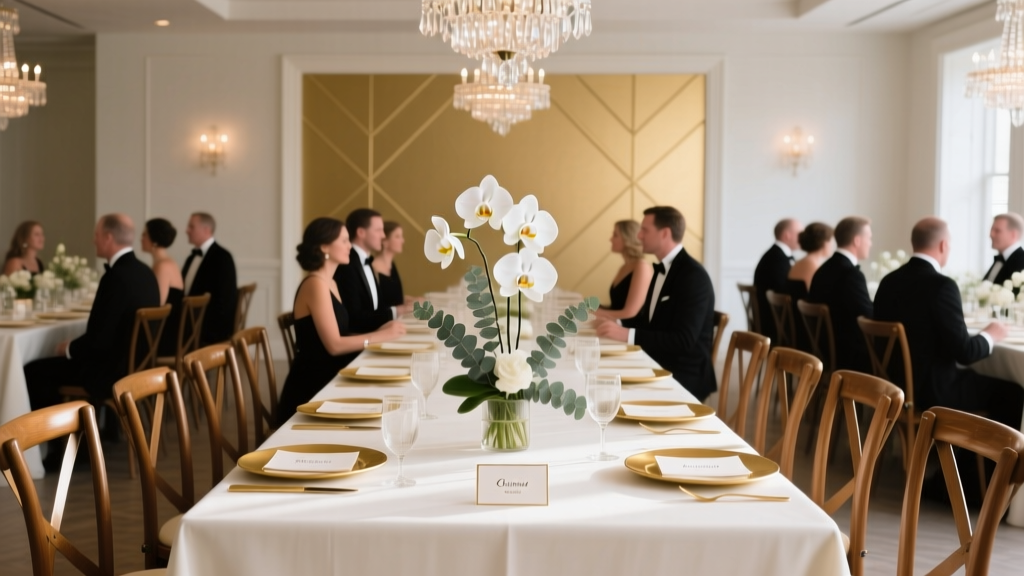
Charity Gala Seating Arrangement Ideas
A charity gala is more than a beautiful room and a great menu—it’s a carefully coordinated experience designed to spark connection, generosity, and momentum for your mission. Your seating arrangement is one of the most powerful (and often overlooked) tools for shaping that experience. The right plan can boost bidding, increase donations, improve sponsor satisfaction, and reduce day-of stress for your team.
Unlike weddings or corporate dinners, a fundraising gala has multiple “success metrics” happening at once: donor stewardship, sponsor visibility, guest comfort, program timing, accessibility needs, and staff service flow. A strategic seating chart brings those goals together, turning your guest list into a room that feels welcoming, energetic, and purpose-driven.
Below are practical, proven charity gala seating arrangement ideas—plus a step-by-step timeline, checklists, budget considerations, and common mistakes to avoid—so you can build a seating plan that supports your fundraising goals and keeps the night running smoothly.
Start with the Purpose: What Should the Seating Help You Achieve?
Before you place a single name card, define what “success” looks like for your event. Most charity gala seating arrangements should support these outcomes:
- Increase giving: create tables where generosity is socially reinforced and mission stories resonate.
- Strengthen relationships: seat donors with board members, ambassadors, or program leaders who can deepen engagement.
- Deliver sponsor value: ensure sponsors are positioned for visibility and positive guest interactions.
- Improve guest experience: reduce awkwardness, seat people with peers, and support accessibility needs.
- Protect program flow: keep VIPs close to the stage, manage photography angles, and support service efficiency.
Quick Goal-Setting Questions
- Which guests are the top donor prospects you want to cultivate?
- Which sponsors need premium placement (and what did you promise in their package)?
- Do you want a high-energy room (more mixing) or a more intimate, story-driven feel?
- Will there be a live auction, paddle raise, or special recognition that requires clear sightlines?
Charity Gala Seating Arrangement Styles (and When to Use Them)
1) Traditional Rounds (8–10 per table)
Round tables remain the most popular gala layout because they encourage conversation and work well for dinner service.
- Best for: formal dinners, multi-course service, speeches, and auctions.
- Seating tip: avoid 12-person rounds unless the venue is spacious—larger tables can feel crowded and reduce service speed.
2) Long Banquet Tables (Family-style or modern)
Banquet-style seating is trending for modern galas and can feel editorial and social, especially with elegant centerpieces and layered place settings.
- Best for: contemporary galas, younger donor audiences, venues with narrower footprints.
- Watch-outs: sightlines to the stage can be tricky; plan table orientation and aisle width carefully.
3) Cabaret Style (Half rounds facing the stage)
Cabaret seating is common for galas with performances or heavy on-stage programming.
- Best for: entertainment-focused programs, award recognition, video-heavy storytelling.
- Bonus: improved sightlines compared to full rounds.
4) Hybrid Layout (Sponsor rounds + community tables + lounge)
Hybrid layouts are a current event planning trend, combining formal dining with intentional “mixing zones” like cocktail lounges or high-top clusters.
- Best for: fundraising events that prioritize networking and donor cultivation.
- Execution tip: keep dinner seating consistent, then create a post-dinner lounge for after-program connection.
Strategic Seating Ideas That Support Fundraising
Use “Anchor Guests” at Each Table
An anchor guest is someone who sets the tone and can encourage engagement—often a board member, committee member, major donor, or charismatic ambassador.
- Place 1–2 anchors per table for tables of 10.
- Choose anchors who are comfortable introducing people and sharing a mission story.
- Give anchors a one-minute “table brief”: key talking points, paddle raise instructions, and who they’re seated with (if appropriate).
Create “Mission Mix” Tables
These tables intentionally blend donors, community leaders, and individuals connected to the mission (program staff, beneficiaries where appropriate, or advocates) to build authentic connection.
Real-world example: A children’s literacy nonprofit seated one educator, one board member, two returning donors, and several first-time attendees at each table. During dinner, the educator shared a short personal story, and the table raised 30% more during the paddle raise than the gala average.
Build Sponsor-Forward Placement Without Isolating Sponsors
Sponsors want visibility and a great experience—not a table full of strangers who don’t engage. Consider:
- Place sponsor tables in premium zones (near stage, near center, high-traffic entrances) while maintaining comfortable spacing.
- Seat a few “spark plugs” (social connectors) at sponsor tables to keep conversation flowing.
- Ensure sponsor logo placement (program, signage) matches their physical placement so the value feels consistent.
Plan “Giving Energy” Zones
While every guest should have a great view, you can strategically concentrate high-capacity donors near the stage to increase momentum during a live ask.
- Front-center: VIPs, major donors, sponsor executives, fundraising champions.
- Mid-room: strong supporters, returning donors, engaged community partners.
- Outer areas: first-timers, social attendees, extended networks (paired with strong anchors).
Assign Seating to Reduce No-Shows and Last-Minute Shuffles
For charity galas, “open seating” often creates sponsor frustration, awkward crowding, and staff confusion. Assigned tables (and preferably assigned seats for VIP areas) improve event coordination and service timing.
Step-by-Step Seating Plan Timeline (with Checklists)
8–10 Weeks Out: Foundation & Data Gathering
- Request a scaled floor plan from the venue (include stage, dance floor, AV, buffet stations, bars, entrances, columns).
- Confirm table sizes and capacities (60” round = typically 8–10; 72” round = 10).
- Set your seating “rules”:
- VIP/sponsor placement priorities
- Accessibility commitments (wheelchair spaces, hearing/vision needs)
- Dietary tracking process
- Children/minors policy if applicable
- Create a guest database with:
- Ticket type / sponsorship level
- Company/affiliation
- Relationship tags (board, major donor, prospect, partner, press)
- Seating requests and “do not seat with” notes (discreetly handled)
6–7 Weeks Out: Draft Table Map & Prioritize VIPs
- Place sponsor and VIP tables first (based on sponsor agreement and visibility needs).
- Designate:
- A host/committee table
- A mission table (program leaders/ambassadors)
- A media/press table if needed
- Build out a “table type” strategy:
- Donor cultivation tables
- Corporate networking tables
- Community partner tables
- Friends & family tables
4–5 Weeks Out: Fill Tables & Confirm Details
- Assign anchor guests to each table.
- Balance demographics and conversation:
- Mix industries and roles to avoid a table feeling like a work meeting.
- Pair first-timers with returning supporters.
- Consider age and interests when possible to reduce awkwardness.
- Track dietary needs and accessibility requirements per table.
- Send sponsors a gentle table guest deadline for names and meal selections.
2–3 Weeks Out: Lock the Chart (with a Flex Plan)
- Freeze the seating chart version for printing.
- Create a “swing table” or hold 2–6 flexible seats for last-minute VIPs, sponsors, or key donors.
- Prepare escort cards, place cards, and table numbers (or a digital check-in system).
- Share final counts and dietary notes with caterer and venue.
Week Of: Print, Prep, and Brief the Team
- Print:
- Master seating chart (event staff only)
- Alphabetical guest list (check-in)
- Table list by number (greeters/ushers)
- VIP list (separate, discreet)
- Pack an “on-site seating kit”:
- Blank place cards, marker, double-sided tape
- Extra table numbers
- Printed chart backups
- One laptop/tablet with editable chart
- Brief check-in and usher team on:
- How to handle table change requests
- Where swing seats are located
- Who can approve changes (one decision-maker prevents chaos)
Seating Chart Tools & Proven Organizational Strategies
- Color-coding: Tag guests by donor level, sponsor tier, or relationship type to spot imbalances quickly.
- Version control: Save seating drafts with dates (e.g., “GalaSeating_v7_0520”). Only one person should own the “final” file.
- Table scoring: Rate each table 1–5 for giving potential, sponsor satisfaction, and guest experience; adjust until the room feels balanced.
- Use zones: Break the floor plan into sections (A/B/C) so changes don’t ripple across the entire room.
Budget Considerations for Seating & Guest Management
Seating isn’t just a diagram—it affects printing, decor, rentals, staffing, and technology. Here’s a practical budget snapshot for gala seating-related items (adjust for guest count and market):
- Stationery & signage (5–12% of decor/print budget): place cards, table numbers, seating chart board, escort cards.
- Rentals (varies): specialty chairs, upgraded linens, lounge furniture for hybrid layouts.
- Technology (optional): digital check-in, QR seating lookup, guest list management software.
- Staffing: additional greeters/ushers to support assigned seating and reduce bottlenecks.
Where to Spend vs. Save
- Spend on: clear signage, easy-to-read escort display, and enough check-in staff. These prevent the most common guest frustrations.
- Save on: overly elaborate place cards if your budget is tight—clean, readable cards look polished and work better in low light.
Vendor Selection Tips (Venue, Catering, Rentals, and Printing)
Venue & Floor Plan Support
- Ask if they provide CAD diagrams or planning software exports.
- Confirm maximum capacity at your preferred table size and layout (not just “fire code capacity”).
- Check sightlines from each zone—columns, lighting trusses, and AV towers can block views.
Catering & Service Flow
- Ask how many servers per guests and how they prefer aisles arranged.
- Confirm how dietary meals are labeled and delivered:
- By seat position?
- By place card mark?
- By table captain?
Printing & Signage
- Choose high-contrast fonts and larger sizes for dim ballrooms.
- Request a proof and test readability at arm’s length.
- Consider foam board seating charts or framed posters for a premium look without custom fabrication costs.
Common Charity Gala Seating Mistakes to Avoid
- Letting sponsors submit guest names too late: set clear deadlines and follow up consistently.
- Overpacking tables: squeezing 11–12 guests at a 10-top leads to discomfort, slow service, and annoyed donors.
- Ignoring accessibility until the final week: plan wheelchair spaces, wider aisles, and easy paths to restrooms early.
- Placing all “important” people together: this creates dead zones and reduces fundraising momentum across the room.
- No swing seats: last-minute VIP additions can unravel your entire chart without a buffer.
- Unclear signage: a gorgeous seating display that guests can’t read causes lines, stress, and late seating.
Real-World Seating Scenarios (and How to Handle Them)
Scenario A: A Sponsor Buys Two Tables and Wants Them Together
- Place the tables adjacent but offset slightly to protect aisle flow.
- Ensure both tables still have fair sightlines—don’t sacrifice one table’s view.
- Add a shared sponsor centerpiece element or subtle signage if included in their benefits.
Scenario B: A Major Donor Requests a Quiet Spot
- Avoid seating near speakers, bar stations, or kitchen doors.
- Place them mid-room with strong sightlines, not necessarily front row.
- Seat a trusted relationship-builder nearby to support stewardship without overwhelming them.
Scenario C: Last-Minute Ticket Sales Create an Odd Number of Guests
- Use the swing seats first.
- If needed, convert one 10-top into an 8-top and redistribute anchors to keep energy consistent.
- Keep couples together unless you have explicit permission to separate.
FAQ: Charity Gala Seating Arrangements
How many people should sit at a gala table?
Most charity galas use 8–10 guests per round table. Ten maximizes revenue per table, while eight improves comfort and conversation. Confirm with the venue based on table size and room dimensions.
Should we assign seats or just assign tables?
Assigned tables are usually the best balance of structure and flexibility. Assign specific seats for VIP tables, sponsor leadership, honorees, and any tables with dietary/accessibility complexities.
How do we handle guests who ask to change tables at check-in?
Designate one decision-maker, keep a swing table or a few flex seats, and train staff to respond with options (not open-ended choices). If a change affects sponsors or VIPs, pause and escalate to the decision-maker.
Where should we seat board members?
Distribute board members across the room as anchors, especially at tables with prospects, first-time donors, or sponsor guests. Avoid clustering all board members at one table unless it’s a board-hosted table with a clear purpose.
How can seating arrangements increase donations during a paddle raise or live auction?
Place giving champions near the stage and distribute strong fundraisers at other tables. Coach anchors on the flow of the ask and provide simple talking points so they can encourage participation naturally.
What’s the best way to display the seating chart?
Escort cards or an alphabetized seating display reduces bottlenecks. For larger events, consider multiple identical displays and separate VIP check-in to keep arrivals smooth.
Actionable Next Steps for a Strong Seating Plan
- Request the venue’s scaled floor plan and confirm table sizes and maximum capacities.
- Build your guest database with sponsorship levels, relationship tags, and seating preferences.
- Place VIPs and sponsors first, then assign anchor guests to every table.
- Create a swing-seat strategy and lock your print deadline two to three weeks out.
- Brief your check-in and usher teams with a clear approval process for changes.
A thoughtful charity gala seating arrangement doesn’t just make the room look organized—it helps guests feel like they belong, encourages generous action, and supports the story you’re telling all night long.
For more step-by-step event planning, party organization, and coordination guides, explore the latest resources on smartpartyprep.com.
More Articles
 What Gift Do You Give for an Engagement Party? 7 Thoughtful, Budget-Smart Choices (That Won’t Get Returned or Forgotten)
 What Party Is Tyler Robinson? The Truth Behind His Affiliation, Why It Matters for Your Voting Decisions, and How to Verify Political Claims in Real Time
What Do You Wear to a Foam Party? The 7-Second Dress Code Rule (Plus What NOT to Wear That Ruins Your Night)
What Party Is Tyler Robinson? The Truth Behind His Affiliation, Why It Matters for Your Voting Decisions, and How to Verify Political Claims in Real Time
What Do You Wear to a Foam Party? The 7-Second Dress Code Rule (Plus What NOT to Wear That Ruins Your Night)
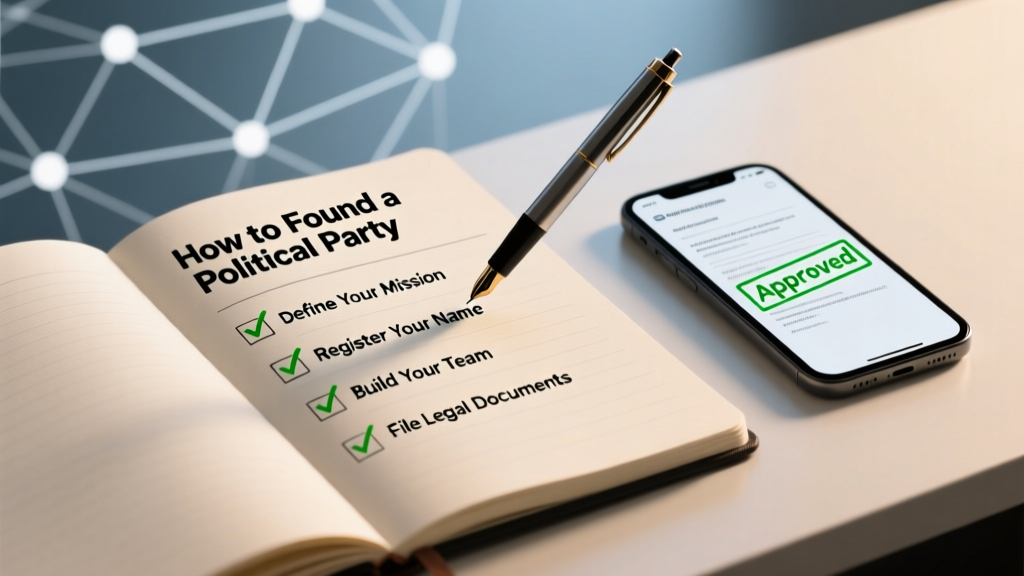 How to Found a Political Party: A Step-by-Step Legal, Strategic & Practical Blueprint (No Law Degree Required — Just Clarity, Courage & This Checklist)
How to Host Murder Mystery Party Without Stress: The 7-Step Blueprint That Saves 12+ Hours (and Prevents Awkward Silences, Costly Kits, or Last-Minute Panic)
How to Found a Political Party: A Step-by-Step Legal, Strategic & Practical Blueprint (No Law Degree Required — Just Clarity, Courage & This Checklist)
How to Host Murder Mystery Party Without Stress: The 7-Step Blueprint That Saves 12+ Hours (and Prevents Awkward Silences, Costly Kits, or Last-Minute Panic)
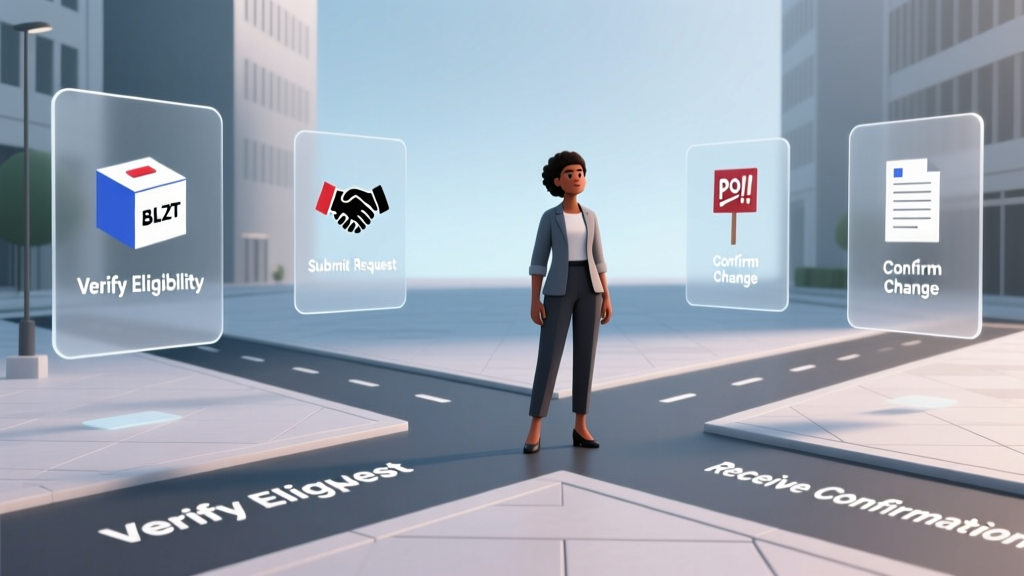 How Can I Change Political Parties? A Step-by-Step Guide That Actually Works (No Paperwork Nightmares, No Registration Gaps, Just Clear Action)
The 7-Step Stress-Free Blueprint for Throwing a Christmas Party That Feels Magical (Not Messy): From First Invite to Last Laugh—No Event Planner Needed
How Can I Change Political Parties? A Step-by-Step Guide That Actually Works (No Paperwork Nightmares, No Registration Gaps, Just Clear Action)
The 7-Step Stress-Free Blueprint for Throwing a Christmas Party That Feels Magical (Not Messy): From First Invite to Last Laugh—No Event Planner Needed
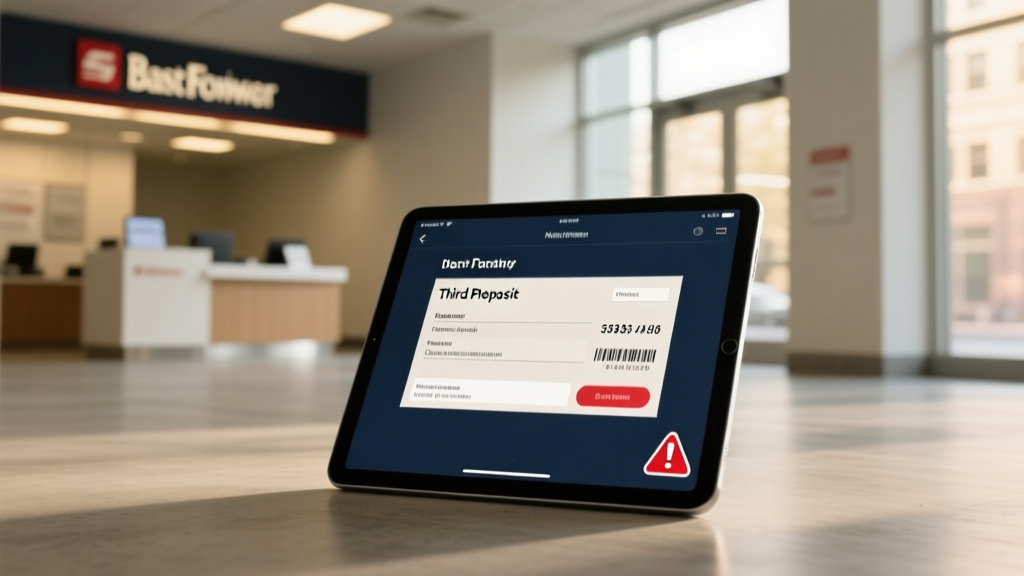 Does Chase Bank Accept Third Party Checks? The Truth (Plus What You Must Do Before Depositing One—Or Risk a $35 Hold or Rejection)
Is 'Party Pooper' the Last Diary of a Wimpy Kid? The Real Release Timeline, What Comes Next, and Why Your Book-Themed Party Might Be Using Outdated Info
Is ECU a party school? The truth behind the rumors — what current students, campus data, and Greek life metrics reveal about East Carolina’s social scene (and whether it matches your definition of 'party school')
Does Chase Bank Accept Third Party Checks? The Truth (Plus What You Must Do Before Depositing One—Or Risk a $35 Hold or Rejection)
Is 'Party Pooper' the Last Diary of a Wimpy Kid? The Real Release Timeline, What Comes Next, and Why Your Book-Themed Party Might Be Using Outdated Info
Is ECU a party school? The truth behind the rumors — what current students, campus data, and Greek life metrics reveal about East Carolina’s social scene (and whether it matches your definition of 'party school')