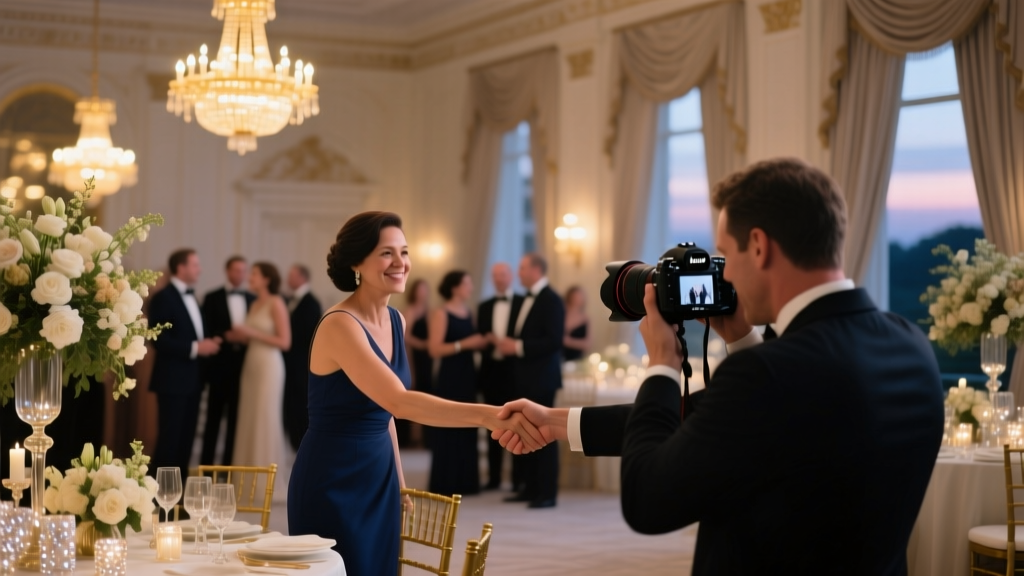
Charity Gala Photography Tips: Plan, Coordinate, and Capture the Night That Fuels Your Mission
A charity gala is more than a fundraising event—it’s a story you’re telling in real time. The photos you capture become your post-event marketing, sponsor value proof, donor stewardship tool, and recruitment magnet for next year’s guests. When photography is planned with the same care as your run-of-show and guest experience, you get images that preserve emotion, highlight impact, and support future fundraising.
Photography can also be the first place event planning breaks down: unclear expectations, missed moments, poor lighting, awkward step-and-repeat lines, and late deliveries. The fix is straightforward—build a photography plan into your event coordination process, assign ownership, and create a timeline that photographers, volunteers, and VIPs can follow.
This guide offers step-by-step charity gala photography tips with practical checklists, budget considerations, vendor selection guidance, and real-world examples so you can plan a seamless night and walk away with a full library of usable images.
Set Your Charity Gala Photography Goals (Before You Choose a Photographer)
Start by defining what “success” looks like for your photos. This shapes your shot list, staffing, budget, and floor plan.
Clarify the primary use cases
- Donor stewardship: personal moments with VIPs, candid guest joy, mission highlights.
- Sponsor fulfillment: logo visibility, sponsor reps photographed, branded activations.
- PR and marketing: keynote, packed ballroom wide shots, human-interest moments.
- Social media content: vertical-friendly shots, quick-turnaround “same-night” selects.
- Internal archive: team, volunteers, behind-the-scenes, venue and décor documentation.
Pick 3–5 “must-win” moments
Examples for a gala:
- Guests arriving at the step-and-repeat
- Opening remarks + mission video reaction shots
- Live auction peak bidding moment
- Award presentation + handshake + smiling face-to-camera
- Fund-a-need paddle raise with crowd energy
Photography Coverage Essentials: What to Capture at a Charity Gala
1) Pre-event and setup photos (the “before” story)
- Venue exterior and signage for context
- Room wide shots before guests enter
- Centerpieces, table settings, stage, lighting design
- Silent auction items and bid sheets (clean, readable angles)
- Volunteer check-in, mission displays, sponsor activations
2) Guest experience and candid storytelling
- Smiling groups at cocktail hour (not just posed lines)
- Networking, laughter, hugs, toasts
- Food and beverage moments (tray passes, signature drinks)
- Accessible, inclusive images: diverse guests, mobility considerations, quiet moments
3) Program and stage moments
- Wide shot of the room during key speeches
- Medium shots of speakers at podium with clean backgrounds
- Audience reaction shots (tears, applause, standing ovation)
- Live auctioneer energy and bidder engagement
- Award recipients with sponsor/board member
4) Mission impact and storytelling portraits
If your gala includes honorees, program participants, or client stories, plan for respectful, well-lit portraits.
- Short portrait sessions in a quiet corner or dedicated photo area
- Clear consent process for anyone photographed in sensitive contexts
- Capture “connection” images—handshakes, embraces, meaningful exchanges
5) Post-program celebration
- Dancing, band/DJ, entertainment
- Late-night candid joy (avoid unflattering angles—more on that later)
- Final wide shot showing a full, lively room
Step-by-Step Planning Timeline (With Checklist Items)
Use this event planning timeline template to keep photography aligned with your gala logistics.
8–12 weeks before: Build the foundation
- Define photo goals and deliverables (PR, social, sponsor, archive).
- Set photography budget range (see budget section below).
- Decide coverage hours and whether you need multiple shooters.
- Draft a preliminary shot list (must-have + nice-to-have).
- Identify key people for photos: board chair, major sponsors, honorees, celebrity guests.
- Choose a single point-of-contact (POC) for day-of coordination.
6–8 weeks before: Hire and align vendors
- Book your photographer(s) and confirm style: documentary, editorial, classic gala, flash-heavy, or natural light.
- Review portfolio specifically for low-light event photography and stage lighting conditions.
- Confirm rights/licensing terms (usage for marketing, sponsor recaps, press).
- Coordinate with venue and AV team about lighting cues and stage wash color.
- Plan the step-and-repeat: placement, lighting, line flow, and staffing.
3–5 weeks before: Lock in the run-of-show photography plan
- Create a detailed photo timeline tied to your program schedule.
- Finalize VIP list and schedule any planned portraits.
- Share floor plan highlighting:
- Stage and podium angles
- Best location for wide ballroom shots
- Step-and-repeat and overflow line area
- Silent auction and sponsor activation zones
- Decide how “same-night” photos will be collected (AirDrop station, shared album, designated runner).
1–2 weeks before: Confirm details and avoid day-of surprises
- Send final timeline, shot list, and VIP photos/names to the photographer.
- Confirm arrival time for detail shots (usually 60–90 minutes before doors).
- Verify meal timing (photographers need a break plan).
- Confirm media policy: where photographers can stand during speeches, any restricted areas.
- Prepare signage: “Photos and video will be taken…” plus opt-out process as needed.
Day-of: Execute with clarity
- Pre-event walk-through: introduce POC, identify best angles, review lighting.
- Step-and-repeat flow: ensure someone is “pulling” VIPs into line and keeping it moving.
- Program cues: stage manager or emcee provides 2-minute warnings for major moments.
- Must-have capture: assign one shooter to stage, one to audience reactions if possible.
- Same-night selects: collect 10–20 photos for real-time posting (with approvals).
Post-event (24 hours to 3 weeks): Turn photos into fundraising tools
- Within 24–48 hours: request 15–30 highlight images for social media and sponsor thank-yous.
- Within 1–2 weeks: full gallery delivery or first batch, depending on contract.
- Tag sponsors and partners, share a recap blog post, and email donors with a photo-rich thank-you.
- Create a “next year” folder: top 50 images to use for invitations and sponsorship decks.
Sample Charity Gala Photography Timeline Template
- 4:30 PM Photographer arrives: venue exterior, signage, room wide shots
- 5:00 PM Detail shots: tables, centerpieces, auction items, sponsor activations
- 5:45 PM Staff/volunteer group photo (quick, high-energy)
- 6:00 PM Doors open: arrivals + step-and-repeat begins
- 6:15 PM Cocktail hour candids + silent auction bidding
- 7:00 PM Guests seated: room wide shot + table candids
- 7:10 PM Welcome remarks: speaker + audience reaction shots
- 7:30 PM Dinner service: discreet candids, sponsor tables
- 8:15 PM Mission moment video: audience reactions prioritized
- 8:30 PM Live auction: auctioneer + bidders + peak energy
- 8:50 PM Fund-a-need paddle raise: wide + close-ups
- 9:10 PM Award presentation: handshake + posed photo on stage
- 9:30 PM Entertainment/dancing: celebration shots
- 10:00 PM Final sponsor activation and closing candids
Budget Considerations: What Charity Gala Photography Costs (and What to Prioritize)
Photography pricing varies by region, experience, and deliverables. For gala planning, budget by coverage hours and complexity.
Typical budget ranges (planning estimates)
- Emerging pro (4–6 hours): $800–$1,800
- Experienced event photographer (6–8 hours): $2,000–$4,500
- High-end team (2 shooters + quick turnaround): $4,500–$9,000+
Common add-ons that impact cost
- Second shooter (strongly recommended for stage + candids)
- On-site portrait station or headshot-style sponsor photos
- Same-night editing for social media
- Photo booth (separate vendor or bundled)
- Extended licensing for large-scale advertising
Simple budget breakdown example (mid-size gala)
- Lead photographer (8 hours): $3,200
- Second shooter (6 hours): $1,200
- Same-night selects (20 images): $500
- Editing + gallery delivery: included
- Total: $4,900
Priority tip: If you must choose, invest in (1) a photographer skilled in low light and (2) enough coverage during the program and fund-a-need. Décor photos are valuable, but stage and audience emotion drive donor response later.
Vendor Selection Tips: How to Hire the Right Gala Photographer
What to look for in portfolios
- Sharp images in dark rooms (clean, not grainy or blurry)
- Flattering flash technique (no harsh shadows on walls)
- Stage photography: good exposure on faces, not blown-out screens
- Emotion and storytelling, not just posed groups
- Consistency across an entire event gallery
Questions to ask during booking
- How do you handle mixed lighting (uplights, spotlights, LED screens)?
- What’s your approach to step-and-repeat flow and group photos?
- How many images do you typically deliver for an 8-hour gala?
- What’s your delivery timeline for highlights and full gallery?
- Do we receive commercial usage rights for marketing and sponsor recaps?
- What’s your backup plan for equipment and emergencies?
Contract details that prevent headaches
- Coverage hours and overtime rates
- Deliverables: minimum edited images, highlight set, file type (JPG), resolution
- Turnaround time
- Usage rights and credit requirements
- Privacy/consent expectations for honorees or program participants
Current Event Planning Trends That Improve Gala Photos
- Content-first run-of-show: planners now build “capture moments” into the program—shorter speeches, tighter transitions, clearer cues.
- Hybrid content needs: vertical images and short clips for Reels/Stories; consider adding a content creator alongside the photographer.
- Immersive sponsor activations: branded photo moments that feel fun (not salesy) and produce shareable images.
- Inclusive design: better lighting in walkways, accessible step-and-repeat setups, and more natural candid coverage rather than forcing poses.
- Fast turnaround expectations: next-day highlights are increasingly standard for fundraising momentum.
Real-World Examples: Small Choices That Create Big Photo Wins
Example 1: The step-and-repeat that didn’t bottleneck
A 250-guest nonprofit gala moved the step-and-repeat away from the entrance and added stanchions with a volunteer “wrangler.” Result: smoother check-in, better guest mood, and more polished arrival photos because guests weren’t rushed.
Example 2: Better fund-a-need photos without changing the program
A planner coordinated with AV to raise house lights by 15% during paddle raise only. The photographer captured clearer faces and raised paddles, producing stronger recap images that were used in donor emails and the annual report.
Example 3: A sponsor table plan that made everyone look good
Instead of random table visits, the event team created a 15-minute sponsor photo circuit during dinner. The photographer knew exactly where to be, sponsors got guaranteed images, and the timeline stayed intact.
Common Charity Gala Photography Planning Mistakes to Avoid
- No shot list or priorities: leads to missed mission moments and too many generic crowd shots.
- Overlooking lighting: deep uplights and dark stages can make faces look unnatural; coordinate with AV early.
- Understaffing: one photographer can’t be on stage and in the crowd simultaneously during major moments.
- Step-and-repeat chaos: poor placement, no line management, and uneven lighting create unflattering images and frustrated guests.
- Not planning for “hero” sponsor images: sponsors want proof of visibility—capture signage, activations, and engaged guests.
- Slow delivery timelines: waiting 4–6 weeks can reduce post-event fundraising momentum.
- Forgetting consent considerations: especially when photographing honorees, youth, or program participants—have a clear policy.
FAQ: Charity Gala Photography Tips
How many hours of photography coverage do we need for a gala?
Most charity galas benefit from 6–8 hours: 60–90 minutes for details and setup, arrivals and cocktail hour, full program coverage, and 30–60 minutes of celebration shots.
Should we hire a second shooter?
If your event includes a stage program, live auction, or fund-a-need, a second shooter is one of the best investments. One can focus on stage and speakers while the other captures audience reactions, sponsor moments, and candids.
What’s the best way to organize a shot list without being too rigid?
Use a two-tier list:
- Must-have: 10–15 moments (VIP arrivals, award, paddle raise, sponsor activation).
- Nice-to-have: décor, food, extra guest groups.
Pair it with a timeline so the photographer knows when and where each must-have is likely to happen.
How do we get photos quickly for social media and sponsor thank-yous?
Ask for same-night selects (10–20 images) or next-day highlights. Assign a staff member to collect and approve images, then post with sponsor tags and a clear fundraising call-to-action.
Where should we place the step-and-repeat for the best photos?
Place it near the flow of arrivals but not blocking check-in. Ensure even lighting (two lights if possible), enough space for groups, and a clean background. Add a volunteer to manage the line and cue guests.
What deliverables should we request?
A practical package includes: a highlight set (25–50 images), a full edited gallery, web-ready versions for quick sharing, and clear usage rights for event marketing and nonprofit communications.
Actionable Next Steps for a Photo-Ready Charity Gala
- Write your top 5 “must-win” photo moments and align them with the run-of-show.
- Confirm lighting cues with AV, especially for the stage and paddle raise.
- Hire a photographer experienced in low-light event photography; add a second shooter if your budget allows.
- Create a one-page photo brief: timeline, shot list, VIP names/faces, floor plan, and point-of-contact.
- Plan a 24–48 hour post-event photo push for sponsor fulfillment and donor thank-yous.
For more professional event planning, party organization, and coordination strategies—from gala checklists to vendor management—explore the latest guides on smartpartyprep.com.
More Articles
 What Is a Bachelor Party Really? 7 Myths You’re Still Believing (And Why They’re Costing You Time, Money & Friendships)
What Is Party Animal? The Truth Behind the Term — And Why Mislabeling Your Guests Could Sabotage Your Next Event (Spoiler: It’s Not Just About Loudness)
What to Wear to a Party as a Man: The 7-Second Outfit Formula That Prevents Last-Minute Panic (No More 'I Have Nothing to Wear' Stress)
What Are the Names of Two Major Political Parties Today? You’re Probably Overlooking How Their Structures Impact Your Local Election Events — Here’s What Planners *Actually* Need to Know in 2024
When Do Pool Parties Close in Vegas? The Real Closing Dates (Not the Marketing Hype) — Plus Exact 2024 Closures, Rain-Date Policies, and How to Still Party After Labor Day
What Is a Bachelor Party Really? 7 Myths You’re Still Believing (And Why They’re Costing You Time, Money & Friendships)
What Is Party Animal? The Truth Behind the Term — And Why Mislabeling Your Guests Could Sabotage Your Next Event (Spoiler: It’s Not Just About Loudness)
What to Wear to a Party as a Man: The 7-Second Outfit Formula That Prevents Last-Minute Panic (No More 'I Have Nothing to Wear' Stress)
What Are the Names of Two Major Political Parties Today? You’re Probably Overlooking How Their Structures Impact Your Local Election Events — Here’s What Planners *Actually* Need to Know in 2024
When Do Pool Parties Close in Vegas? The Real Closing Dates (Not the Marketing Hype) — Plus Exact 2024 Closures, Rain-Date Policies, and How to Still Party After Labor Day
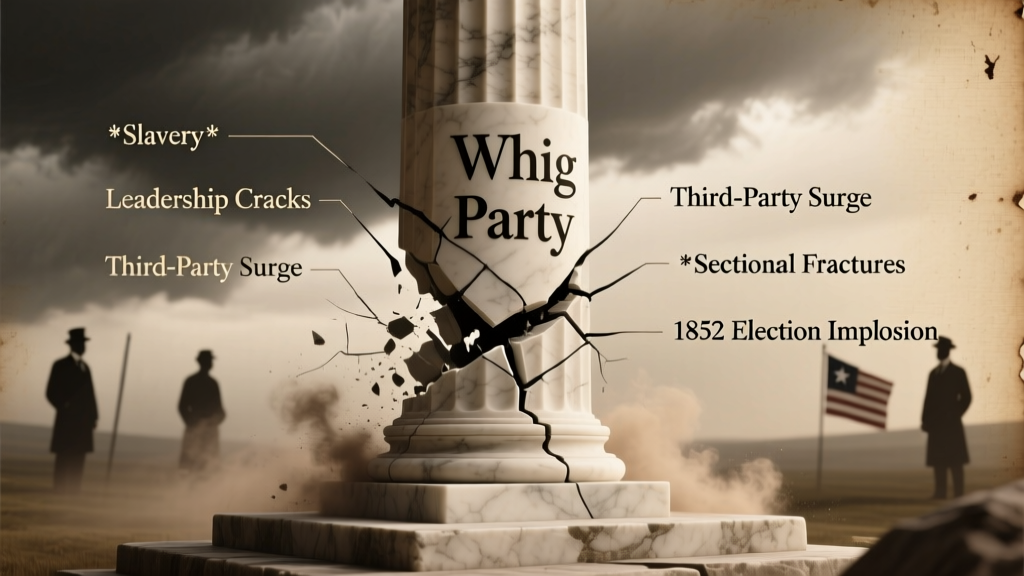 What Caused the Whig Party to Collapse? The 5 Irreversible Fault Lines — Slavery, Leadership Cracks, Third-Party Surge, Sectional Fractures, and the 1852 Election Implosion — That Doomed America’s First Major Opposition Party in Just 12 Years
How to Throw a Great Halloween Party Without Burning Out: The 7-Step Stress-Proof Framework That Cut Planning Time by 63% (Backed by 127 Hosts’ Real Data)
Who Founded the Know Nothing Party? The Shocking Truth Behind America’s First Nativist Political Movement — And Why Its Origins Are Still Misunderstood Today
What Caused the Whig Party to Collapse? The 5 Irreversible Fault Lines — Slavery, Leadership Cracks, Third-Party Surge, Sectional Fractures, and the 1852 Election Implosion — That Doomed America’s First Major Opposition Party in Just 12 Years
How to Throw a Great Halloween Party Without Burning Out: The 7-Step Stress-Proof Framework That Cut Planning Time by 63% (Backed by 127 Hosts’ Real Data)
Who Founded the Know Nothing Party? The Shocking Truth Behind America’s First Nativist Political Movement — And Why Its Origins Are Still Misunderstood Today
 Is Nature Made Third Party Tested? The Truth About Label Claims, Lab Verification, and Why 62% of 'Natural' Supplements Fail Independent Screening — Here’s How to Spot the Real Ones