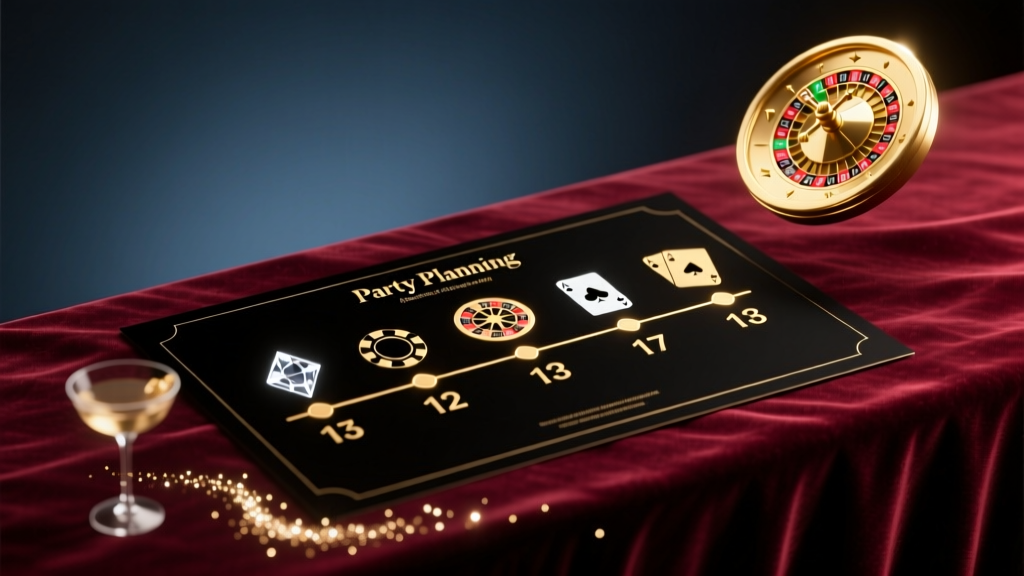
A Casino Night Timeline Template
A casino night can feel effortless to guests—smooth check-in, lively tables, a buzzing soundtrack, and prizes that keep everyone playing. Behind the scenes, though, it’s one of those events where timing and coordination make or break the experience. You’re balancing multiple “mini-events” at once: arrivals, gaming rotations, food service, raffles, announcements, and teardown, all while keeping energy high and lines low.
Proper planning matters even more for casino-themed events because guests expect a polished atmosphere. A few missed details—insufficient dealers, unclear rules, running out of chips, or a late dinner—can interrupt the flow and reduce participation. A reliable timeline helps you coordinate vendors, volunteers, and your venue so the night stays fun, fair, and organized from the first shuffle to the final prize.
This casino night timeline template gives you step-by-step guidance, planning checklists, budget considerations, vendor selection tips, and real-world examples you can adapt for fundraisers, corporate parties, birthdays, and community events.
Casino Night at a Glance: What You’re Planning
A “casino night” event typically includes:
- Gaming tables: blackjack, roulette, poker, craps, or custom “fun money” games
- Currency system: chips or play money (plus rules for earning/losing)
- Redemption: raffle tickets, prize casino store, or leaderboard prizes
- Food & beverage: buffet, passed appetizers, or dinner service (often timed around peak gameplay)
- Program moments: welcome remarks, sponsor recognition, fundraising ask, tournament finals, prize announcements
Current event planning trends that work especially well for casino nights:
- “Experience zones” beyond gaming: photo booth, whiskey/cocktail tasting, lounge seating, themed dessert bar
- Mobile-friendly check-in with QR codes to reduce entry lines
- Hybrid fundraising mechanics: QR bidding/raffles, text-to-give, and sponsor match moments
- Clear signage + micro-instructions at each table so new players jump in confidently
The Casino Night Planning Timeline Template (8 Weeks to Event Day)
Use this as a flexible event planning and coordination roadmap. If you have fewer weeks, compress tasks and lock vendors first.
8 Weeks Out: Define the Event & Lock the Foundation
- Set event goals: fundraising target, guest count, brand impression, team building, or celebration
- Pick the format: open play vs. tournament (or both)
- Choose date/time: consider local events, holidays, and venue load-in rules
- Select venue: confirm capacity, power access, ceiling height (for lighting), and floorplan flexibility
- Establish event theme style: classic Vegas, James Bond, Roaring ’20s casino, or modern glam
- Create a budget draft (see budget section below)
Pro tip: Decide early how guests “cash out.” A raffle-ticket redemption system is easiest for mixed crowds and fundraisers; tournament-style can be great for corporate events but needs stricter rules and staffing.
6–7 Weeks Out: Book Vendors & Outline Guest Experience
- Casino equipment/dealer vendor: tables, chips, dealers, table layouts, setup/teardown times
- Catering + bar: menu, dietary needs, service style, and alcohol policies
- AV/DJ or playlist plan: microphones, speakers, uplighting, announcements
- Photo moment: step-and-repeat backdrop, themed props, or roaming photographer
- Décor rentals: linens, cocktail tables, lounge seating, signage, lighting
Guest experience mapping:
- Arrival and check-in
- Chip distribution and rules explanation
- Gameplay and social flow
- Food timing (avoid interrupting peak play)
- Program moments (short and spaced out)
- Redemption/prizes and closing
5 Weeks Out: Build the Run of Show & Staffing Plan
- Draft your run of show (event-day timeline below)
- Confirm staffing:
- Event lead/coordinator
- Check-in team
- Chip bank/cashier table staff
- Floor manager (handles table issues, rules disputes, pacing)
- Prize/raffle manager
- Volunteer captain (if applicable)
- Create floorplan: table placement, food stations, bar, lounge, stage/MC area, prize table
- Decide table mix: match your crowd—blackjack is universally approachable; roulette adds spectacle; poker attracts enthusiasts
Pro tip: Plan for one dealer per table plus a roaming support person. For volunteer-run events, simplify games and provide clear scripts.
4 Weeks Out: Promotions, Invitations & Registration Logistics
- Launch invitations/ticketing: include dress code, start time, parking, and what the ticket includes
- Open sponsorship packages (for fundraisers): table sponsor, bar sponsor, photo booth sponsor, prize sponsor
- Set up check-in system: QR code check-in, guest list exports, badge/wristband needs
- Define chip policy: starting chips per guest, re-buys (if allowed), and any fundraising add-ons
Trend to use: Add a pre-event email with “How Casino Night Works” plus a 60-second rules overview. It increases participation, especially for first-timers.
3 Weeks Out: Confirm Menu, Décor, and Prize Strategy
- Finalize catering counts and timing (apps during play often works better than a formal sit-down)
- Confirm décor + signage:
- Entrance sign
- Rules sign at each table
- Chip redemption/prize instructions
- Schedule sign (program moments)
- Prize plan: choose one:
- Raffle tickets based on chips won
- Prize “casino store” where chips are exchanged for items
- Top-player leaderboard prizes (best for tournaments)
Real-world example: For a 150-guest nonprofit fundraiser, a raffle redemption model works smoothly: guests exchange chips for raffle tickets at any point, then drop tickets into prize baskets before a final drawing.
2 Weeks Out: Vendor Check, Print Materials, and Contingency Planning
- Vendor confirmations: load-in times, parking, power needs, COI (certificate of insurance)
- Print items: signage, table tents with rules, sponsor recognition, raffle tickets, bid sheets (if any)
- Finalize program script: MC remarks, sponsor thanks, fundraising appeal
- Risk & contingency plan:
- Backup plan for late vendor arrival
- Extra decks of cards, chips, pens, tape, extension cords
- Plan for long lines at check-in or bar
1 Week Out: Final Counts, Team Briefing, and Timeline Lock
- Send final headcount to catering and confirm dietary notes
- Confirm table count and dealer schedule
- Hold a team briefing: roles, escalation plan, and key moments
- Create an event binder (digital + printed):
- Run of show
- Vendor contacts
- Floorplan
- Guest list
- Emergency notes
24–48 Hours Out: Pack, Prep, and Final Reminders
- Pack supplies: clipboards, chargers, lanyards, cash box (if needed), signage stands
- Send guest reminder: start time, parking, dress code, and what to expect
- Confirm prize inventory and display materials
Event-Day Casino Night Timeline (Template You Can Copy)
This sample run of show is for a 7:00–10:00 PM event. Adjust for your schedule and venue rules.
Load-In & Setup
- 2:00 PM Venue access begins; coordinator walkthrough
- 2:30 PM Casino vendor load-in: tables, layouts, chips
- 3:30 PM AV/DJ setup: mic check, music plan, lighting
- 4:00 PM Décor setup: linens, signage, photo area, sponsor placements
- 4:30 PM Catering prep begins
- 5:30 PM Staff meal (if applicable) + first briefing
- 6:00 PM Dealer briefing + rules alignment; table test runs
- 6:15 PM Check-in area set: QR scanning, wristbands, chip distribution station
- 6:30 PM Final venue sweep: trash bins, restrooms stocked, signage visible
Guest Arrival & Gameplay
- 7:00 PM Doors open; check-in starts; welcome music
- 7:10 PM Chips distributed; guests directed to tables
- 7:20 PM Open play begins; passed appetizers start
- 7:45 PM Optional: quick “How to Play” demo at one featured table
- 8:15 PM First program moment (3–5 minutes): welcome + sponsor thanks
- 8:20 PM Gameplay resumes; bar/service continues
- 8:45 PM Redemption station opens (raffle tickets or prize store)
Peak Energy + Closing Moments
- 9:15 PM Final play push announcement: “Last 30 minutes to earn chips”
- 9:30 PM Last call for redemption/raffle ticket drop
- 9:40 PM Prize drawing / awards (keep it moving: 10–15 minutes)
- 9:55 PM Closing thank-you + final photo moment
- 10:00 PM Event ends; teardown begins
Teardown & Load-Out
- 10:00–11:00 PM Casino vendor breakdown; décor strike; venue reset
- 11:00 PM Final walkthrough and sign-off with venue
Coordination tip: Assign one person to track time and cue the MC/DJ. A simple “5 minutes to remarks” text thread prevents announcements from colliding with food service or a packed bar line.
Casino Night Planning Checklist (Quick Reference)
- Venue: contract, insurance requirements, load-in/out rules, floorplan approval
- Casino: table types, dealer count, chip quantities, house rules, setup schedule
- Food & beverage: menu, staffing, bar plan, service timeline
- Program: run of show, MC script, sponsor recognition
- Guest logistics: ticketing, check-in system, signage, accessibility
- Prizes: procurement, display, redemption system, prize drawing process
- Branding: themed décor, photo backdrop, sponsor placements
- Operations: staffing assignments, volunteer schedule, emergency kit
- Post-event: vendor payments, thank-you emails, photo sharing
Budget Considerations + Sample Budget Breakdown
Casino nights can scale up or down. The biggest cost drivers are venue, casino tables/dealers, and catering/bar.
Typical Budget Categories (Percentage Guide)
- Casino rentals + dealers: 20–35%
- Venue + insurance/security: 15–30%
- Catering + bar: 25–45%
- AV/entertainment + lighting: 5–15%
- Décor + rentals: 5–15%
- Prizes: 0–10% (often donated for fundraisers)
- Printing/signage + admin: 2–5%
- Contingency: 5–10%
Sample Budget: 100 Guests (Mid-Range Corporate Party)
- Casino tables + dealers (4 tables): $2,000–$4,500
- Venue rental: $1,500–$4,000
- Food (heavy apps or buffet): $2,500–$5,000
- Bar package: $1,500–$4,000
- DJ/AV basics + uplighting: $600–$2,000
- Décor + linens/signage: $400–$1,500
- Prizes: $300–$1,200
- Contingency (8%): varies
Cost-saving strategies that still look premium:
- Choose heavy appetizers instead of plated dinner to keep guests moving
- Use uplighting to elevate the room without expensive décor
- Limit table variety but increase throughput (more blackjack, fewer niche tables)
- Secure sponsored prizes or donated raffle baskets
Vendor Selection Tips (Casino, Catering, AV)
Casino Vendor Questions to Ask
- How many guests per table do you recommend for steady play?
- Do dealers explain rules to beginners?
- What’s included: tables, chips, layouts, drop cloths, signage?
- How long is setup/teardown, and what access do you need?
- Do you offer a floor manager or event host?
Catering & Bar Coordination Tips
- Time food service to avoid interrupting play—passed apps during peak gaming works well.
- Use two points of service (two bars or bar + satellite station) for faster lines.
- Offer one themed signature cocktail to keep ordering simple and on-theme.
AV/Entertainment Essentials
- A wireless mic for MC announcements
- Background music that supports conversation (increase energy later in the night)
- Uplighting or spot lighting for the prize area and photo backdrop
Common Casino Night Planning Mistakes (and How to Avoid Them)
- Too few tables or dealers: causes long waits and disengagement. Aim for enough tables so guests can rotate easily.
- Unclear rules and redemption: guests won’t play if they’re confused. Use table-top rule cards and a clear “How to Cash Out” sign.
- Check-in bottlenecks: fix with QR code check-in, pre-stuffed envelopes, and a separate station for chip distribution.
- Overlong speeches: keep remarks under 5 minutes and schedule them between gameplay waves.
- Poor floorplan flow: avoid clustering all tables in one tight area. Leave wide aisles and create a lounge zone.
- No contingency buffer: vendors run late, deliveries shift. Build 30–45 minutes of flexibility into setup.
Real-World Timeline Example: 150-Person Fundraiser Casino Night
Event goal: Raise $25,000 while delivering a fun, elegant night for donors.
- Tables: 6 (3 blackjack, 1 roulette, 1 poker, 1 craps)
- Redemption: Chips → raffle tickets → prize drawings
- Key revenue add-ons: sponsor a table, “high roller” ticket tier (extra chips), 50/50 raffle
- Program: 4-minute welcome, 6-minute impact story, 12-minute prize drawing
- Operational win: Two redemption stations reduced lines and increased raffle participation
FAQ: Casino Night Planning and Coordination
How many casino tables do I need for my guest count?
A practical planning rule: 1 table per 20–30 guests for open play, depending on table type and how social your crowd is. Blackjack typically moves faster; poker tends to hold players longer.
What’s the easiest prize redemption system?
For mixed audiences, use chips-to-raffle-tickets. It’s simple, works for fundraisers and parties, and doesn’t require strict tracking of winners.
How do I keep guests engaged if they don’t know casino games?
Use beginner-friendly tables (blackjack, roulette), add table rule cards, and schedule a short demo early. Friendly dealers or trained volunteers make a huge difference.
Can I host a casino night at home or in a small venue?
Yes. Scale down to 1–2 tables, a cocktail-style menu, and a simplified prize plan. Focus on lighting, music, and clear instructions to create a “real casino” feel in a smaller footprint.
What’s the best way to organize check-in and chip distribution?
Separate the flow into two steps: (1) check-in (QR scan, wristband) and (2) chip bank (chips + rules card). This prevents a single line from stalling arrivals.
Your Next Steps
- Pick your date, venue, and event format (open play vs. tournament).
- Book casino tables/dealers and catering early—these drive the timeline.
- Customize the event-day run of show and assign roles for check-in, chip bank, and prizes.
- Finalize signage and guest instructions so gameplay feels welcoming and smooth.
- Do a quick pre-event walkthrough with vendors (floorplan, power, timing) to eliminate surprises.
If you want more step-by-step party organization tools, timelines, and event planning checklists, explore the latest guides on smartpartyprep.com to keep your next event calm, coordinated, and unforgettable.
More Articles
 What Are the Main Political Parties in the USA? A No-Fluff Breakdown of Power, Platforms, and Real-World Influence — Not Just Two Parties, But Six Forces Shaping Your Vote Right Now
What to Do at a Retirement Party: 7 Stress-Free, Memorable Actions (Even If You’re Not the Planner) — Backed by 127 Real Parties & Zero Awkward Silences
What Are the Main Political Parties in the USA? A No-Fluff Breakdown of Power, Platforms, and Real-World Influence — Not Just Two Parties, But Six Forces Shaping Your Vote Right Now
What to Do at a Retirement Party: 7 Stress-Free, Memorable Actions (Even If You’re Not the Planner) — Backed by 127 Real Parties & Zero Awkward Silences
 What Party Am I Test: The 7-Minute Self-Assessment That Reveals Your Ideal Event Style (No Guesswork, No Awkward Themes, Just Authentic Energy Matching)
What to Wear to a 2000s Party Male: The No-Stress, Authentic-Outfit Checklist (No Cringe, No Regrets — Just Instant Nostalgia Points)
What to Wear to a Welcome Party for a Wedding: The 7-Second Dress Code Decoder (No More Guesswork, No Awkward Outfits)
Is Metagenics third party tested? The truth behind their quality claims — what independent lab reports, NSF certification, and FDA warning letters reveal about purity, potency, and transparency you’re not seeing on the label.
How Much to Rent a Pony for Birthday Party NJ in 2024: Real Quotes, Hidden Fees, & 7 Ways to Save Up to $325 (Without Sacrificing Safety or Smiles)
What Party Am I Test: The 7-Minute Self-Assessment That Reveals Your Ideal Event Style (No Guesswork, No Awkward Themes, Just Authentic Energy Matching)
What to Wear to a 2000s Party Male: The No-Stress, Authentic-Outfit Checklist (No Cringe, No Regrets — Just Instant Nostalgia Points)
What to Wear to a Welcome Party for a Wedding: The 7-Second Dress Code Decoder (No More Guesswork, No Awkward Outfits)
Is Metagenics third party tested? The truth behind their quality claims — what independent lab reports, NSF certification, and FDA warning letters reveal about purity, potency, and transparency you’re not seeing on the label.
How Much to Rent a Pony for Birthday Party NJ in 2024: Real Quotes, Hidden Fees, & 7 Ways to Save Up to $325 (Without Sacrificing Safety or Smiles)
 When to Have Engagement Party: The 7-Week Rule Most Couples Miss (Plus When It’s Smart to Wait, Skip, or Flip the Script)
 Should You Take a Gift to an Engagement Party? The Uncomfortable Truth No One Tells You — Plus a 5-Minute Etiquette Checklist That Prevents Awkwardness (and Saves Your Relationship)