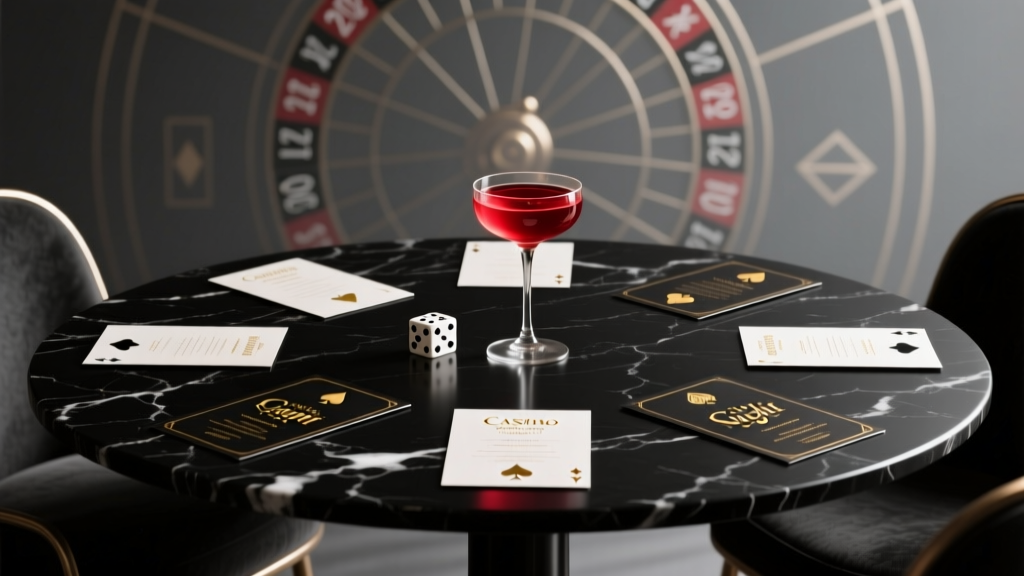
A Casino Night Menu Planning Guide
Casino night events are all about energy: the hum of conversation, the thrill of the tables, the sparkle of décor, and the steady flow of food and drinks that keeps guests playing instead of wandering off in search of snacks. A well-planned casino night menu does more than feed people—it supports your event timeline, reduces congestion, and subtly reinforces your theme from the first welcome cocktail to the last late-night bite.
Menu planning matters even more for casino-themed parties because the “activity” (gaming) competes with food service. If guests have to sit down for long meals, your tables go quiet. If food is messy or slow, chips and cards get sticky, and lines form at the buffet. The best casino night catering strategy balances quick-to-eat options, clear pacing, and staffing that can handle peak moments.
This guide walks you through a practical, step-by-step approach to casino night menu planning—complete with timelines, budget breakdown ideas, vendor tips, trend-forward menu concepts, and common mistakes to avoid—so your event runs smoothly and feels polished.
Start with the Basics: Define Your Casino Night Style
1) Choose your event format
- Cocktail-style casino night: Passed appetizers + stations. Best for most casino themes because guests keep moving.
- Seated dinner + casino play: Works for galas and fundraisers. Requires tight timing to avoid disrupting gameplay.
- Open-house casino party: Guests arrive in waves. Ideal for corporate mixers or holiday parties; focus on replenishable stations.
2) Confirm guest count, duration, and flow
Menu quantity and service design should match how guests circulate.
- Typical duration: 3–4 hours
- Peak eating windows: First 60–90 minutes and the final 45 minutes
- Gameplay-friendly goal: Food guests can eat with one hand, quickly, without utensils whenever possible
3) Match menu level to the vibe
- Classic Vegas: Shrimp cocktail, mini steaks, martinis, glitzy dessert bar
- Modern luxe: Small plates, craft cocktails, grazing tables, elevated sliders
- Speakeasy casino: Whiskey-forward drinks, charcuterie, deviled eggs, smoked bites
- Fun and casual: Pizza bites, taco bar, popcorn station, nostalgic desserts
Casino Night Menu Planning Principles (What Works Best)
Keep it clean and mobile
Cards, chips, and finger foods don’t naturally mix—unless you choose the right items. Prioritize:
- Low-drip appetizers (glazed but not saucy)
- Skewers, cups, and handhelds
- Served portions that don’t require balancing a plate and fork
Offer variety without overwhelming your kitchen
A strong casino night menu typically includes:
- 2–3 hot appetizers
- 2–3 cold appetizers
- 1 hearty station or “mini-meal” option
- 1–2 desserts (plus a late-night bite if the event runs long)
Plan for dietary needs as part of the main plan
Current event planning trends emphasize inclusive menus—guests expect clear options for vegetarian, vegan, gluten-free, and allergen-aware choices.
- Label station items with simple signage (V, VG, GF, NF where relevant)
- Ensure at least 25–35% of offerings are vegetarian-friendly
- Keep one “safe” dessert option (like flourless chocolate bites or fruit cups)
Build Your Casino Night Menu: Sample Frameworks
Option A: Cocktail-Style (Most Popular)
Cold bites:
- Shrimp cocktail shooters (classic Vegas)
- Caprese skewers or bruschetta cups
- Smoked salmon cucumber rounds
Hot bites:
- Mini sliders (beef + one alternative like veggie or chicken)
- Chicken satay skewers with light dipping sauce
- Mini crab cakes or spinach-artichoke bites
Station (hearty anchor):
- Street taco station with clearly separated toppings
- Loaded baked potato bar in cups
- Carving board (if staffing allows) with rolls and two sauces
Dessert:
- “High roller” dessert bar: mini cheesecakes, brownie bites, macarons
- Donut wall or mini churros (trend-forward, photo-friendly)
Option B: Seated Dinner + Casino Play
- Salad: Caesar wedge cups or mixed greens (pre-plated for speed)
- Main: Filet medallion or chicken roulade + seasonal veg + mashed potatoes
- Vegetarian main: Mushroom risotto or roasted cauliflower steak
- Dessert: One plated dessert plus a grab-and-go sweet station after play begins
Pro coordination tip: Keep the plated meal to a 45–60 minute block and open gaming immediately afterward to maintain momentum.
Option C: Casual Casino Party (Budget-Friendly)
- Build-your-own nacho bar (chips served separately to keep them crisp)
- Flatbread slices + salad cups
- Snack mix “casino blend” in individual cones
- Popcorn station with 3 seasonings (truffle, cheddar, caramel)
Drinks That Match the Theme (and Reduce Lines)
Plan a “featured cocktail” strategy
To keep service fast, offer:
- 1–2 signature cocktails (batchable)
- Beer and wine (simple selection)
- 2 mocktails (a current trend for inclusive events)
Real-world example: faster bar setup
For a 120-guest corporate casino night, a two-cocktail menu (e.g., “Blackjack Old Fashioned” + “Roulette Spritz”) reduced bar lines significantly compared to a full open bar, and it made ordering easier for guests who wanted to get back to the tables.
Helpful bar math (rule of thumb)
- 3–4 hour event: 2 drinks per person in the first hour, then 1 drink per person per hour
- Staffing: 1 bartender per 50–75 guests (depending on complexity)
Step-by-Step Casino Night Menu Planning Timeline (with Checklist)
6–8 weeks out: lock the foundation
- Confirm guest count estimate and event duration
- Decide format: cocktail, seated, or open-house
- Set menu style: classic Vegas, modern luxe, casual, speakeasy
- Identify dietary needs from invitations or registration form
- Create an initial event budget including food and beverage categories
- Shortlist caterers or venues with in-house catering
4–6 weeks out: finalize vendors and menu direction
- Book catering vendor and review service style (passed vs stations)
- Schedule a tasting (if available) or request sample menus
- Plan bar package: hosted, cash bar, drink tickets, or hybrid
- Confirm rental needs: cocktail tables, linens, plates, glassware
- Map food placement to reduce crowding near gaming tables
2–3 weeks out: operational details
- Finalize menu selections and quantities
- Confirm staffing: servers, bartenders, bussers, attendant for stations
- Create signage plan for stations and allergens
- Build a replenishment schedule (what refills first, what can wait)
- Confirm timelines with entertainment/team running casino tables
1 week out: confirm everything and print
- Submit final guest count (per catering contract deadline)
- Approve BEO (Banquet Event Order) or final invoice details
- Print bar menu and station signs
- Create a “day-of” contact sheet for vendors and venue
- Prepare an emergency kit: stain remover, tape, sharpies, bandaids
Event day: execution checklist
- Walk the room: ensure food stations do not block table traffic
- Confirm timing: first passed tray goes out within 10–15 minutes of guest arrival
- Stage napkins everywhere (near games, bar, and food)
- Keep a busser loop active—empty glasses and plates kill the vibe fast
- Plan a late-night bite drop (last 45–60 minutes) to keep energy high
Budget Considerations: Where to Spend and Where to Save
Typical budget ranges (food & beverage)
- Casual casino night: $20–$45 per person
- Mid-range cocktail party: $45–$90 per person
- Upscale/gala style: $90–$175+ per person
Sample budget breakdown (mid-range cocktail-style)
- Food: 45%
- Beverage (alcohol + non-alcohol): 25%
- Staffing/service charges: 15%
- Rentals (glassware, linens, stations): 10%
- Signage, menus, contingencies: 5%
Smart ways to save without looking “budget”
- Replace one premium passed appetizer with a filling station (taco bar, pasta cups)
- Offer two signature cocktails instead of a full open bar
- Use seasonal ingredients and local vendors for better pricing
- Choose one “wow” dessert display and keep the rest simple
Vendor Selection Tips (Catering, Bar, Rentals)
Questions to ask caterers
- How do you design menus for “activity-based” events like casino nights?
- What’s included in staffing, setup, and cleanup?
- Do you provide passed service, and how many servers per guest count?
- What’s your plan for dietary restrictions and allergen labeling?
- Can you accommodate a late-night bite timing?
Coordination tip: insist on a service plan
A menu is only half the story. Ask for a written service timeline (tray pass timing, station refills, dessert drop) and ensure it aligns with your event schedule and casino table peak times.
Common Casino Night Menu Planning Mistakes to Avoid
- Serving messy foods: Saucy wings, heavily powdered donuts, or dripping tacos can damage cards/chips and frustrate guests.
- Underestimating hunger: Casino nights feel like “snack events,” but guests still expect enough food to replace dinner if it’s during prime meal hours.
- Creating bottlenecks: One buffet line for 150 guests causes long waits. Use multiple small stations or two-sided access.
- Skipping late-night food: A final drop (mini grilled cheese, pretzel bites, fries in cones) keeps energy up and improves guest experience.
- Ignoring staffing needs: Too few servers leads to empty trays and cluttered tables. Budget for bussers.
- No signage for allergens: Guests hesitate or repeatedly ask staff, slowing service and increasing risk.
Real-World Menu Coordination Examples
Example 1: 80-guest backyard casino night (casual-luxe)
- Service: 2 stations + light passing
- Menu: slider trio, caprese skewers, taco cups, churro bites
- Coordination win: Food stations set away from gaming tables to prevent crowding; napkin baskets placed at every cocktail table.
Example 2: 200-guest fundraising casino gala (upscale)
- Service: Seated dinner then dessert stations during play
- Menu: plated chicken or vegetarian risotto; dessert “casino chip” cookies, espresso bar
- Coordination win: Dessert and coffee placed near the silent auction to increase dwell time and bidding.
FAQ: Casino Night Menu Planning
How much food do I need for a casino night?
If your event overlaps dinner hours (6–9 p.m.), plan enough for a full meal experience. A common approach is 8–12 appetizer pieces per person over 3–4 hours, plus one hearty station. Adjust upward for younger crowds or limited alcohol options.
What are the best foods to serve at casino night tables?
Choose clean handhelds: skewers, sliders, cups, and bite-sized items. Avoid sticky sauces and anything that crumbles heavily.
Should I do a buffet or passed appetizers?
Passed appetizers keep guests engaged with gameplay and reduce lines. Stations are great as an anchor for filling options. For most casino nights, a hybrid (passing + one station) works best.
How do I handle dietary restrictions without adding too many menu items?
Build flexible bases: a taco or bowl station with clearly separated components, plus at least one vegan/GF passed item. Label everything with simple signage.
What’s a good bar setup for a casino-themed party?
Two signature cocktails, beer, wine, and mocktails keeps ordering fast. If lines are a concern, add a second bar point or a self-serve non-alcoholic station.
Next Steps: Turn Your Menu into an Organized Event Plan
- Decide your casino night format (cocktail, seated, open-house) and confirm event hours
- Draft a menu framework: 2–3 cold bites, 2–3 hot bites, 1 hearty station, 1–2 desserts
- Build a simple service timeline that matches guest arrival and peak gameplay
- Set your per-person budget and get at least 2–3 catering quotes
- Finalize staffing and signage so service stays smooth and inclusive
If you’re ready to refine your event planning checklist, explore more casino party organization tips, catering coordination guides, and timeline templates at smartpartyprep.com.
More Articles
 What Do You Wear to a White Party? 7 Mistakes Everyone Makes (and How to Look Effortlessly Chic Without Overpaying or Overthinking)
 What Is a Douche in Sausage Party? Debunking the Myth, Explaining the Joke, and How to Use It (Without Offending Guests) at Your Next Adult-Themed Event
What Do You Bring to a Graduation Party? The Stress-Free, Budget-Savvy Guest Checklist (No Awkward Empty-Handed Moments Ever Again)
What Is a Douche in Sausage Party? Debunking the Myth, Explaining the Joke, and How to Use It (Without Offending Guests) at Your Next Adult-Themed Event
What Do You Bring to a Graduation Party? The Stress-Free, Budget-Savvy Guest Checklist (No Awkward Empty-Handed Moments Ever Again)
 How to Send Invitations for a Craft Fair