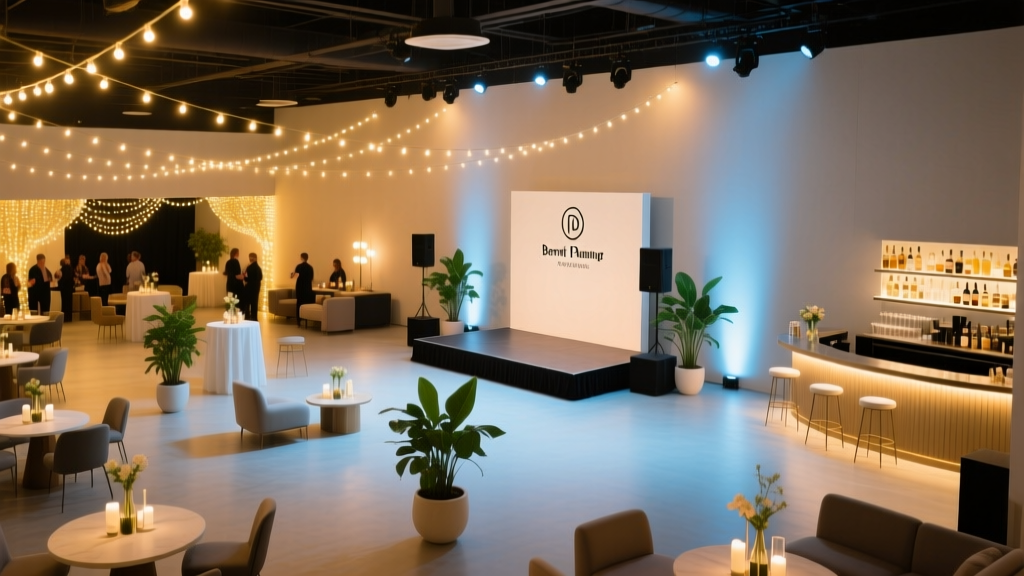
Benefit Concert Venue Ideas
A benefit concert can raise serious funds, build long-term community support, and spotlight a cause in a way few events can. The venue you choose shapes everything: ticket pricing, turnout, production needs, sponsor interest, and even how emotionally connected guests feel to the mission. A great venue makes it easier to sell tickets and secure donors; a mismatched venue creates stress, budget leaks, and underwhelming attendance.
Planning also matters because benefit concerts are “two events in one”: a live entertainment production and a fundraising campaign. You’re coordinating performers, sound, lighting, guest experience, safety, and storytelling—while also driving donations, sponsorships, and visibility. With the right venue ideas (and a practical plan), you can create a night that feels professional, welcoming, and purpose-driven.
This guide walks through venue types, step-by-step planning, budget frameworks, vendor selection tips, and common mistakes—so your team can confidently plan a concert that fills seats and moves your fundraising goal.
Start with the Basics: Define the Concert’s Purpose and Requirements
Clarify your fundraising model
Your fundraising strategy influences venue size, layout, and tech needs. Common benefit concert models include:
- Ticket-first: Revenue primarily from ticket sales plus a donation add-on.
- Sponsor-led: Underwriting covers most costs; ticket revenue is “extra.”
- Hybrid: Tickets + sponsors + live appeal + auction/raffle.
- Donation-first (free entry): Suggested donation, heavy storytelling, and on-site giving.
Confirm your must-haves early
Before touring spaces, create a one-page “venue needs list”:
- Target capacity (seated vs. standing)
- Stage size and backstage/green room needs
- Sound restrictions (decibel limits, curfews)
- Load-in access (ramps, dock, parking for a truck/van)
- Wi-Fi and cell reception for digital donations
- Accessibility (ADA routes, seating, restrooms)
- Alcohol plan (cash bar, donated bar, no alcohol)
- Rain plan if outdoors
Benefit Concert Venue Ideas (with Pros, Cons, and Best-Fit Uses)
1) Community theaters and performing arts centers
Why it works: Purpose-built for shows, often with in-house tech and professional acoustics.
- Pros: Fixed seating, lighting grid, sound system, box office support, ADA-ready.
- Cons: Higher rental fees, strict union/vendor rules, limited flexibility for auctions.
- Best for: Ticketed concerts with headline performers, storytelling segments, and a polished feel.
Real-world example: A local children’s charity partners with a theater for a 600-seat acoustic night. They bundle tickets with a post-show meet-and-greet donation tier and run a QR-code “text-to-give” moment between sets.
2) School auditoriums and university halls
Why it works: Affordable rentals, built-in seating, and community goodwill.
- Pros: Budget-friendly, easy parking, campus volunteer base, existing AV in many spaces.
- Cons: Calendar constraints, stricter alcohol policies, may require approved vendors.
- Best for: Local bands, choir showcases, youth-focused causes, family-friendly benefit concerts.
3) Houses of worship (sanctuaries, fellowship halls)
Why it works: Strong community support, flexible rates, and often excellent acoustics for certain genres.
- Pros: Low cost, volunteer support, built-in audience base.
- Cons: Content restrictions, limited bar options, seating may be fixed or less comfortable.
- Best for: Gospel, classical, acoustic sets, community choir nights, mission-driven events.
4) Outdoor parks, amphitheaters, and town squares
Why it works: High visibility, festival energy, and room for food trucks and sponsors.
- Pros: Flexible layout, sponsor activation space, family-friendly, room to grow attendance.
- Cons: Permits, weather risk, more production costs (stage, generators, fencing).
- Best for: Summer benefit concerts, community-wide causes, multi-artist lineups.
Trend tie-in: Many organizers are pairing outdoor concerts with local food truck partnerships and cashless payments to boost per-guest spending while keeping lines moving.
5) Breweries, wineries, and distilleries (event rooms or taprooms)
Why it works: Built-in ambiance, beverage revenue potential, and a social vibe that encourages giving.
- Pros: Some venues waive or reduce fees for nonprofits, easy bar logistics, great for sponsors.
- Cons: Capacity may be limited; sound can be challenging; age restrictions.
- Best for: 100–300 person benefit concerts, singer-songwriter nights, “tickets + donation” events.
6) Hotels and conference centers (ballrooms)
Why it works: One-stop logistics—parking, restrooms, staffing, catering, and predictable operations.
- Pros: Weather-proof, strong vendor network, easy VIP areas, good accessibility.
- Cons: Food & beverage minimums, less “concert feel” without staging/lighting upgrades.
- Best for: Black-tie benefit concerts, corporate sponsor-driven events, donor-heavy audiences.
7) Museums, galleries, and cultural venues
Why it works: Unique setting that elevates ticket value and sponsor appeal.
- Pros: Memorable guest experience, strong photo ops, premium vibe for major donors.
- Cons: Sound restrictions, limited load-in routes, higher insurance requirements.
- Best for: Jazz trios, chamber groups, curated acoustic performances, VIP receptions.
8) Local businesses with large spaces (warehouses, showrooms, maker spaces)
Why it works: Often available through sponsorship/in-kind partnerships and highly customizable.
- Pros: Flexible layout, brand partnership potential, can transform the space dramatically.
- Cons: May need extra rentals (restrooms, staging, HVAC planning), permitting questions.
- Best for: Creative benefit concerts, “pop-up” style events, sponsor-forward productions.
How to Choose the Right Venue: A Practical Scoring System
Create a simple 1–5 rating scale for each venue and total the score. Recommended criteria:
- Capacity & layout fit (seating/standing, sightlines)
- Cost & inclusions (chairs, stage, staff, security)
- Production readiness (sound, lighting, power, load-in)
- Fundraising support (space for sponsors, donation stations, VIP)
- Guest experience (parking, ADA, restrooms, comfort)
- Marketing value (location visibility, prestige, community draw)
- Risk factors (weather exposure, curfews, noise limits)
Tip: If two venues tie, choose the one that reduces your “hard costs” (AV, staging, security). Saving on production often protects your fundraising margin.
Step-by-Step Planning Timeline and Checklist
12–16 weeks out: Foundations
- Set fundraising goal and success metrics (net revenue target, new donors acquired, sponsors secured)
- Select date range and shortlist 3–6 venues
- Confirm concert format (headline act, multi-artist showcase, tribute night, battle of the bands)
- Build your core team: event lead, talent coordinator, sponsor lead, marketing lead, volunteer lead
- Draft a preliminary budget and target ticket price
10–12 weeks out: Lock the venue and key partners
- Negotiate venue contract: hours, load-in/out, staffing, insurance, permitted vendors
- Secure performers and document expectations (set length, soundcheck time, hospitality)
- Book essential vendors: sound/lighting, staging (if needed), security, photographer/videographer
- Decide ticketing platform and donation tools (QR codes, text-to-give, tap-to-donate)
- Outline sponsor packages (naming rights, stage banner, VIP tickets, on-site activation)
6–8 weeks out: Marketing and fundraising build
- Launch event page with clear cause story, lineup, schedule, and ticket tiers
- Create a sponsor outreach list and weekly follow-up cadence
- Plan guest flow: entry, check-in, seating, bar/merch, donation stations
- Begin volunteer recruitment and role assignments
- Confirm permits (especially outdoors), alcohol plan, and any noise curfews
3–4 weeks out: Production details
- Finalize run of show (timed schedule, MC script beats, fundraising “ask” moment)
- Confirm tech rider details: microphones, monitors, DI boxes, lighting cues
- Order rentals (chairs, barricades, tents, heaters/fans) if needed
- Create signage plan: check-in, restrooms, sponsors, QR donation prompts
- Set contingency plans (weather, performer cancellation, power backup)
1–2 weeks out: Final confirmations
- Venue walk-through with sound lead, stage manager, and event coordinator
- Print materials: schedules, volunteer sheets, sponsor recognition, wristbands
- Confirm staffing: security, ushers, check-in, donation table, VIP host
- Prepare donation messaging and visuals (impact stats, story cards, short video)
- Send attendee email: parking, start times, what to bring, donation link
Event day: Execution checklist
- Load-in and setup (stage, sound, lighting, signage, donation stations)
- Soundcheck with every act and confirm set transitions
- Team briefing: emergency exits, roles, radio/phone communication plan
- Open doors with a clear check-in system and visible wayfinding
- Run the fundraising moment: direct ask + simple giving options
- Strike and load-out; reconcile sales/donations; collect vendor invoices
Budget Considerations (and a Sample Breakdown)
A benefit concert budget should prioritize guest experience and revenue protection. The goal is to maximize net funds raised, not just ticket sales.
Common expense categories
- Venue: rental fee, staffing, custodial, insurance
- Production: sound, lighting, staging, backline, power
- Talent: artist fees, travel, hospitality, lodging (if applicable)
- Permits & safety: permits, security, EMT/first aid, barricades
- Marketing: graphics, ads, printing, PR support
- Guest operations: ticketing fees, wristbands, signage, décor
Sample budget breakdown (mid-size indoor concert: 300 guests)
- Venue & staffing: $1,500–$4,000
- Sound/lighting: $2,000–$6,000
- Talent costs: $0–$5,000 (often reduced via community partnerships)
- Security/medical: $500–$1,500
- Marketing & printing: $400–$1,500
- Décor/signage/incidentals: $300–$1,000
Margin tip: Aim for 60–75% net revenue after hard costs when possible. If production pushes costs too high, adjust by (1) raising sponsorship targets, (2) adding VIP ticket tiers, or (3) choosing a venue with in-house AV.
Vendor Selection Tips (Sound, Lighting, Ticketing, and More)
Sound and lighting
- Hire vendors who regularly run live music events (not just corporate AV)
- Request a line-item quote including load-in hours, labor, and overtime rates
- Ask who is supplying backline (drum kit, amps) and who is responsible for tuning/setup
- Confirm power requirements and whether a generator is needed outdoors
Ticketing and donations
- Use a platform that supports tiered ticketing, promo codes, and add-on donations
- Minimize check-in lines with mobile scanning and clear door staffing
- Offer multiple donation methods: QR codes, text-to-give, and a staffed donation desk
- Test cellular reception and have a Wi-Fi backup option
Photography/video (a proven post-event strategy)
- Prioritize capturing the fundraising moment, sponsor signage, and audience energy
- Request a 30–60 second highlight reel for post-event donor follow-ups
- Get a photo list: performers, VIPs, check presentation, crowd wide shots
Current Planning Trends That Work Especially Well for Benefit Concerts
- Cashless and QR-first guest journeys: faster entry, faster giving, better reporting
- VIP micro-experiences: early entry, reserved seating, artist meet-and-greets, lounge areas
- Sponsor activations that feel useful: phone charging stations, water refill stations, photo backdrops
- Short, high-impact storytelling: one powerful 2–3 minute video + a clear call to action
- Community partnerships: local radio/media, restaurants donating a portion of sales, in-kind rentals
Common Benefit Concert Planning Mistakes to Avoid
- Choosing a venue before confirming production needs: load-in, power, and sound limits can break your plan.
- Underestimating time for soundcheck and transitions: build realistic buffers into the run of show.
- Not planning the fundraising “ask” moment: a concert without a clear donation cue leaves money on the table.
- Relying on ticket sales alone: sponsorships and VIP tiers protect your budget and increase net funds raised.
- Weak signage and guest flow: confusing entry and long lines reduce bar/donation participation.
- No contingency plan: weather, tech failures, and performer changes need pre-written backups.
FAQ: Benefit Concert Venue Planning
How far in advance should I book a benefit concert venue?
Plan for 10–16 weeks for small to mid-size local concerts, and 4–8 months for popular theaters, peak seasons, or events requiring major sponsors and permits.
What’s the best venue type for maximizing fundraising?
Venues with built-in production (theaters, performing arts centers) often reduce technical costs, while venues with strong sponsor appeal (museums, breweries, hotels) can increase underwriting. The best option is the one that protects your net revenue after expenses.
Do I need special permits for a benefit concert?
Often yes—especially outdoors. Common requirements include park permits, noise permits, alcohol permits, occupancy compliance, and event insurance. Confirm requirements with the venue and local municipality early.
How do I handle donations on-site without slowing down the event?
Use multiple donation touchpoints: QR codes on screens and signage, a short MC-led giving moment, and a staffed donation table for guests who prefer card readers or cash. Keep the donation steps simple and visible.
Should we offer seating or standing room?
Seating supports comfort and higher-priced tickets, while standing room can increase capacity and energy. Many benefit concerts succeed with a hybrid: reserved VIP seats up front and general admission standing behind.
What should be included in a venue contract?
Include rental hours, load-in/out times, staffing provided, allowed vendors, insurance requirements, payment schedule, alcohol rules, sound curfew, parking arrangements, and cancellation/reschedule terms.
Next Steps: Turn Venue Ideas into a Booked Date and a Fundraising Plan
Choose your top three venue options, score them against your capacity, budget, and production needs, and schedule site visits with a checklist in hand. Once your venue is locked, finalize your run of show, fundraising moment, and sponsor packages—then market consistently with clear ticket tiers and easy donation tools.
If you want more step-by-step event planning, party organization, and coordination resources—plus templates you can reuse—explore the latest guides on smartpartyprep.com.
More Articles
 How to Change Political Party in New York: A Step-by-Step Guide That Takes Less Than 10 Minutes (No Mail, No Waiting, and Zero Fees in 2024)
Why Did the Hartford Convention End the Federalist Party? The Real Story Behind America’s Most Disastrous Political Gathering — and How One Week of Closed-Door Meetings Shattered a Founding-Era Power in Just 14 Days
Why Was the Bull Moose Party Formed? The Untold Story Behind Teddy Roosevelt’s 1912 Revolt — How a Broken Friendship, a Stolen Convention, and One Man’s Moral Outrage Changed American Politics Forever
How Do I Start a Party Planning Business? 7 Non-Negotiable Steps (That 83% of New Planners Skip) — Avoid $12K in Early Mistakes
How Far in Advance to Send Birthday Party Invites: The Exact Timeline (Backed by 127 Host Surveys) That Prevents Last-Minute Chaos, No-Show Guests, and RSVP Panic
How to Make Your Fortnite Party Private in 2024: The Only 5-Step Guide You’ll Need (No More Random Squad Crashers or Leaked Matches)
How Many Nuggets in Wendy’s Party Pack? The Real Answer (Plus Portion Planning, Cost Per Person, and How to Avoid Running Out Mid-Party)
How to Change Political Party in New York: A Step-by-Step Guide That Takes Less Than 10 Minutes (No Mail, No Waiting, and Zero Fees in 2024)
Why Did the Hartford Convention End the Federalist Party? The Real Story Behind America’s Most Disastrous Political Gathering — and How One Week of Closed-Door Meetings Shattered a Founding-Era Power in Just 14 Days
Why Was the Bull Moose Party Formed? The Untold Story Behind Teddy Roosevelt’s 1912 Revolt — How a Broken Friendship, a Stolen Convention, and One Man’s Moral Outrage Changed American Politics Forever
How Do I Start a Party Planning Business? 7 Non-Negotiable Steps (That 83% of New Planners Skip) — Avoid $12K in Early Mistakes
How Far in Advance to Send Birthday Party Invites: The Exact Timeline (Backed by 127 Host Surveys) That Prevents Last-Minute Chaos, No-Show Guests, and RSVP Panic
How to Make Your Fortnite Party Private in 2024: The Only 5-Step Guide You’ll Need (No More Random Squad Crashers or Leaked Matches)
How Many Nuggets in Wendy’s Party Pack? The Real Answer (Plus Portion Planning, Cost Per Person, and How to Avoid Running Out Mid-Party)
 What Is a Hens Night Party? (And Why Your First Answer Might Be Wrong): The Real Origins, Modern Rules, and 7 Non-Negotiable Planning Truths You Need Before Booking Anything
 How to Party Like a Snail: The Surprisingly Brilliant Guide to Slow, Intentional, Low-Stress Celebrations That Guests Actually Remember (Not Just Survive)