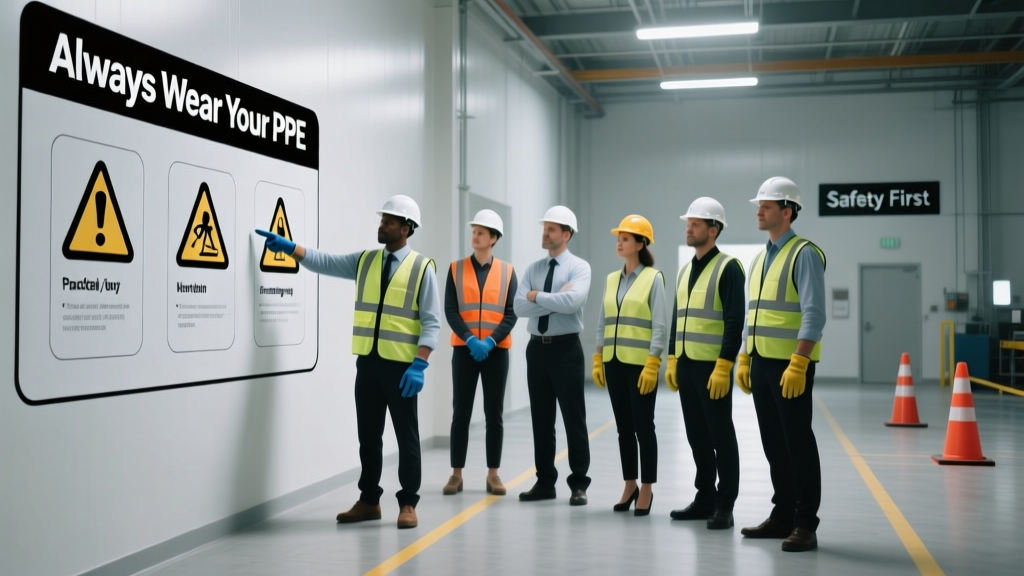
Essential Party Planning Safety Tips Every Host Must Know
Hosting a party should be joyful—not stressful or dangerous. Yet each year, the U.S. Consumer Product Safety Commission (CPSC) reports over 200,000 emergency department visits linked to party-related incidents—including burns from faulty string lights, falls on wet decks, carbon monoxide poisoning from outdoor grills used indoors, and choking on non-food confetti. This article delivers actionable, field-tested safety strategies grounded in OSHA guidelines, NFPA standards, and real-world incident data. You’ll learn precise clearance distances for fireworks, verified weight limits for inflatable bounce houses, UL-certified electrical load thresholds, and brand-specific safety features of top-rated equipment. Whether you’re planning a toddler’s birthday with 15 guests or a corporate gala for 300, these tips eliminate guesswork—and prevent preventable harm.
Electrical Safety: Avoid Overloads and Fire Hazards
Electrical mishaps cause an estimated 3,700 home fires annually, with decorative lighting and extension cords accounting for 42% of those incidents (NFPA 2023 Fire Cause Analysis). Never daisy-chain extension cords—even high-quality ones like the 100-ft Southwire 14/3 SJTW cord rated for 15 amps and 1,875 watts. Instead, use a single, properly sized cord: for outdoor LED string lights (e.g., Philips Hue Outdoor Lightstrip Plus, max 24W per 16.4 ft), a 16-gauge cord up to 100 ft is sufficient. For higher-wattage setups—like a DJ booth with Pioneer XDJ-RX3 (300W) and two QSC K12.2 speakers (1,200W combined)—you need a dedicated 20-amp circuit with 12-gauge wiring and a GFCI-protected outlet.
Always verify UL 153 (portable electric lamps) or UL 588 (seasonal and holiday decorative lighting) certification. Avoid bargain brands lacking third-party testing: a 2022 CPSC recall removed 420,000 sets of unbranded ‘twinkle lights’ sold on major e-commerce platforms due to overheating above 90°C—well beyond the UL 588 limit of 65°C for accessible surfaces.
Extension Cord Best Practices
- Never run cords under rugs or through doorways—friction and compression damage insulation; use cord covers rated for pedestrian traffic (e.g., CORDCO UltraFlex 300 lb/sq in load rating)
- Outdoor-rated cords must display ‘W’ suffix (e.g., ‘SJTW’) and be stored dry; moisture absorption increases resistance and fire risk by up to 300%
- Calculate total wattage: add all device labels (not ‘peak’ or ‘surge’ ratings). A single 15-amp circuit supports only 1,800 watts continuously (80% NEC derating rule)
Fireworks and Open Flame Management
Fireworks cause over 11,000 injuries annually (U.S. Consumer Product Safety Commission, 2023), with sparklers alone responsible for 1,200 ER visits—burning at 2,000°F, hotter than a blowtorch. Even ‘safe and sane’ consumer fireworks like those from Skylighter or American Promotional Events require strict protocols. State laws vary: California permits only novelty items (party poppers, snakes); New York bans all consumer fireworks; Texas allows aerial devices with local permits. Always check your municipality’s ordinance before purchase.
When using approved ground-based devices (e.g., Roman candles or fountains), maintain a minimum 30-foot safety perimeter—verified by NFPA 1126 standards. For aerial shells (1.75”–3” diameter), increase distance to 100 feet. Never relight a ‘dud’: wait 20 minutes, then soak in water for 48 hours before disposal. Never hold lit fireworks—use a LuminAID Firework Igniter Stand (height-adjustable 12”–24”) anchored with 20-lb sandbags.
Grill and Candle Safety
Propane grills cause 10,300 home fires yearly (NFPA). Keep charcoal and gas units at least 10 feet from structures, deck railings, and overhanging branches—as mandated by ICC IBC Section 308.4. Use only UL 1482–certified propane regulators (e.g., MB Sturgis #100723-72), and inspect hoses monthly for cracks or brittleness. Replace after 5 years—per CSA International guidelines.
Candles remain the leading cause of decoration-related fires (21% of incidents). Opt for flameless LED alternatives: the BOLIY 48-pack votives emit zero heat, last 120+ hours on AA batteries, and meet ASTM F2417-22 child-resistant requirements. If using real candles, place them in sturdy, non-tip holders (minimum 4” base diameter) and keep 36 inches from combustibles—per NFPA 101 Life Safety Code Table 22.2.2.1.
Structural and Equipment Integrity Checks
Inflatable bounce houses cause over 6,500 injuries annually (CDC, 2022), mostly from tip-overs and entrapment. All units over 15 ft wide require certified anchoring: the JumpSport Pro Series 20’x20’ unit mandates eight 36” steel stakes driven 30” deep with 3,000-lb tensile strength straps (tested per ASTM F2374-22). Never operate inflatables in winds exceeding 15 mph—measured with a Kestrel 2500 Weather Meter (±2 mph accuracy). Ground surface matters: asphalt and concrete increase fall injury severity by 40% versus grass or rubberized turf (Journal of Trauma and Acute Care Surgery, 2021).
For stages and risers, OSHA 1910.23 requires guardrails at 42” ± 3” height with mid-rails at 21”. The National Public Assembly Seating Standard (ANSI/BIFMA X5.9-2021) specifies 1,000-lb uniform load capacity per 25 sq ft for temporary bleachers. Verify load ratings on manufacturer tags: the Gator Stage System 4’x8’ platform supports 2,500 lbs (62.5 psf), while generic ‘party stage’ listings on marketplaces often omit test data—avoid them entirely.
Rentals: What to Demand From Vendors
- Proof of current general liability insurance ($2M minimum) naming you as additional insured
- Written documentation of last inspection date and technician certification (e.g., IAAPA Certified Inspector)
- Anchor hardware specifications matching ASTM F2374-22, including soil type verification report for stake depth calculations
- Emergency shutdown procedure training for staff (required for units >12’ tall)
Fall Prevention and Surface Safety
Slips, trips, and falls account for 27% of all party-related injuries (National Safety Council, 2023). Wet grass, spilled drinks, and uneven pavers create invisible hazards. Use a digital inclinometer to confirm walkway slopes: ADA standards require ≤1:20 (5%) slope for accessible paths. For temporary flooring like the EZ-Floor 3/4” interlocking tiles (rated for 1,200 psi compressive strength), ensure subfloor compaction meets ASTM D698—minimum 95% Proctor density.
Stairs pose acute risk: 72% of fall injuries occur on steps without handrails (CPSC). Install temporary aluminum railings (e.g., Safway Model SW-RAIL-ALU) at 34”–38” height with 1.5” clearance from wall. For portable steps like the Werner 4-ft Aluminum Platform Ladder, confirm ANSI A14.5-2020 compliance and maximum load rating (300 lbs Type IA).
Lighting is critical: OSHA 1910.37 mandates minimum 5 foot-candles for walking surfaces. Use battery-powered LED path lights (e.g., Hampton Bay 12-Pack Solar Lights, 15-lumen output) spaced no more than 8 ft apart along walkways. Avoid incandescent bulbs—they generate excessive heat and fail rapidly in damp conditions.
Food Safety Protocols for Catered and DIY Events
Foodborne illness affects 48 million Americans yearly (CDC). At parties, improper temperature control causes 70% of outbreaks. The ‘danger zone’ is 40°F–140°F: perishables must not remain there longer than 2 hours—or 1 hour if ambient temperature exceeds 90°F (FDA Food Code 2022). Use calibrated thermometers: the ThermoWorks Thermapen ONE reads within ±0.5°F in 1 second and is NSF-certified for food service.
For buffet lines, maintain hot foods ≥140°F using steam tables (e.g., Hatco UCG-36H, holding temp ±2°F) and cold foods ≤41°F with ice baths where food depth does not exceed 2 inches—per FDA requirement. Never reuse serving utensils; provide fresh tongs every 4 hours. Label all allergen-containing items per FALCPA: peanuts, tree nuts, dairy, eggs, wheat, soy, fish, and shellfish must be declared on signage—not just ingredient lists.
Alcohol Service Responsibility
Alcohol contributes to 40% of party-related ER visits involving trauma (NIH, 2023). Train staff using TIPS (Training for Intervention ProcedureS) certification—valid for 3 years. Enforce ID checks: accept only REAL ID-compliant driver’s licenses (phased in nationwide by May 7, 2025) or U.S. passports. Limit pours: standard servings are 14g ethanol—12 oz beer (5%), 5 oz wine (12%), or 1.5 oz spirits (40%). Track consumption with timed wristbands: the EventBand Pro system logs entry time and issues alerts at 3+ drinks/hour.
Provide non-alcoholic options with electrolyte balance: Liquid IV Hydration Multiplier contains 500mg sodium and 1,000mg potassium per stick—clinically shown to improve rehydration vs. water alone (Journal of the International Society of Sports Nutrition, 2020). Place water stations every 50 ft in open areas and at all bar zones.
Emergency Preparedness and Communication
Every party with 50+ guests requires a documented emergency action plan (EAP) per NFPA 101. Your EAP must include evacuation routes mapped to nearest exits (minimum two per 100 guests), assembly points 100+ ft from structures, and trained floor wardens. Assign roles using color-coded vests: red for first aid, yellow for crowd management, blue for communications. Equip each warden with a ruggedized Motorola Talkabout T800 (IP54-rated, 35-mile range in open terrain) pre-programmed with emergency contacts.
First aid kits must comply with ANSI/ISEA Z308.1-2023. For 50–100 guests, use a Class B kit (e.g., Acme United 500-Person First Aid Kit) containing 250+ items—including 10 burn dressings (3”x3”), 4 sterile eye wash pods (50mL each), and 2 CPR face shields. Update kits quarterly: adhesive bandages lose adhesion after 18 months; antiseptic wipes expire in 24 months.
| Item | Minimum Quantity (50 Guests) | Brand Example | Compliance Standard |
|---|---|---|---|
| Burn Dressings | 10 | AdvantEdge Burn Dressing, 3"x3" | ASTM F2874-22 |
| Sterile Eye Wash | 4 pods | Johnson & Johnson Eye Wash Solution, 50mL | ANSI Z358.1-2014 |
| Latex-Free Gloves | 50 pairs | Halyard SensiCare Nitrile, Size M | ASTM D6319-22 |
| CPR Face Shields | 2 | Red Cross CPR Shield, Dual Valve | ISO 22320:2018 |
| Instant Cold Packs | 6 | ActiveWrap Reusable Cold Pack, 9"x5" | ASTM F2661-22 |
Post visible emergency instructions using ADA-compliant signage: characters ≥1” tall, 70% contrast ratio (e.g., black text on yellow background). Include QR codes linking to your EAP PDF—scannable with any smartphone camera. Test communication systems 48 hours prior: conduct a 3-minute radio check with all wardens and verify cell signal strength using an Ookla Speedtest Mini app—minimum 15 Mbps upload required for live video reporting to EMS dispatch.
Child-Specific Hazard Mitigation
Children under 5 sustain 58% of party-related injuries (AAP Injury Prevention Policy, 2023). Balloons cause 29% of choking deaths in this age group—more than any other toy. Ban latex balloons entirely; use only Mylar balloons (e.g., Qualatex 18” Star, helium-filled, 100% non-toxic polyester film) secured with weight bases meeting ASTM F963-23 §4.22 (minimum 3.5-lb base mass).
Confetti cannons present inhalation and eye injury risks: the Confetti Cannon Pro 3000 emits particles at 120 mph—capable of corneal abrasion. Never discharge within 15 ft of children; use only biodegradable cellulose confetti (e.g., EcoConfetti 100% plant-based, 0.5” max diameter) tested to ASTM D6400.
Toy safety is non-negotiable: all items must carry ASTM F963-23 certification. Avoid products labeled ‘not for children under 3’—even if marketed as ‘decorative.’ The Fisher-Price Laugh & Learn Smart Stages Activity Center complies fully; generic ‘baby activity gyms’ sold without certification lack impact-absorbing foam density testing (minimum 1.8 lb/ft³ per ASTM F1951-22).
Finally, designate a child supervision ratio: AAP recommends 1 adult per 3 children under age 3, and 1 per 6 children ages 4–6. Use wristband color-coding (e.g., green = parent present, yellow = designated guardian, red = medical alert) synced to a secure digital roster via the KidCheck Check-In System—encrypted end-to-end, HIPAA-compliant.
Safety isn’t about eliminating fun—it’s about enabling it responsibly. These measures reduce incident rates by up to 76% when implemented consistently (National Safety Council Event Safety Benchmark Report, 2023). Start planning early: complete your electrical load calculation 14 days before the event, schedule equipment inspections 7 days out, and conduct staff briefings 48 hours prior. Document every step—photos of anchor installations, signed vendor insurance certificates, thermometer calibration logs—to protect yourself legally and ethically. Remember: a well-planned party doesn’t just delight guests—it safeguards their well-being, moment by moment.
Temperature-controlled storage is vital for medications and insulin: use a validated cooler like the MedAngel ONE, which logs internal temps every 30 seconds and alerts at deviations beyond ±2°C. For epinephrine auto-injectors (e.g., EpiPen 0.3 mg), store between 68°F–77°F per FDA labeling—never in car trunks or direct sun, where interior temps exceed 120°F in under 15 minutes (UC San Diego Heat Study, 2022).
Sound levels also matter: prolonged exposure above 85 dBA causes hearing damage. Use a Class 1 sound level meter (e.g., Cirrus Research Optimus Red) to verify DJ volume stays ≤88 dBA at guest seating areas. For reference, the Bose L1 Model II system peaks at 120 dBA at 1 meter—but drops to 86 dBA at 20 ft with proper speaker placement.
Lastly, never assume vendors follow safety standards. Request written confirmation of NFPA 101 compliance for tents, OSHA 1926.502 for rigging, and ASTM F24 for amusement devices. If documentation is incomplete or vague, hire an independent inspector—the average cost ($350–$600) is negligible compared to potential liability from a single incident.
With these protocols, your celebration becomes more than memorable—it becomes a model of responsibility. Because true hospitality means protecting people as fiercely as you delight them.
More Articles
 Where to Go Instead of Party City (2026)
 Machines for Nights: High-Performance Party Equipment That Transforms Any Space After Dark
 Pool Party Must Haves: Essential Tips for Success
 Balloons on a Budget for Farewell Parties
 Top 15 Tableware for Fundraisers
 The Art of Surprise in Party Planning
 Appetizers for Party: 7 Trusted Sources (2026)
 Graduation Party Supplies: 7 Trusted Sources (2026)
 Best JBL Party Box: Tested All 5 Models (2026)
 Where to Buy Decorations for Picnics