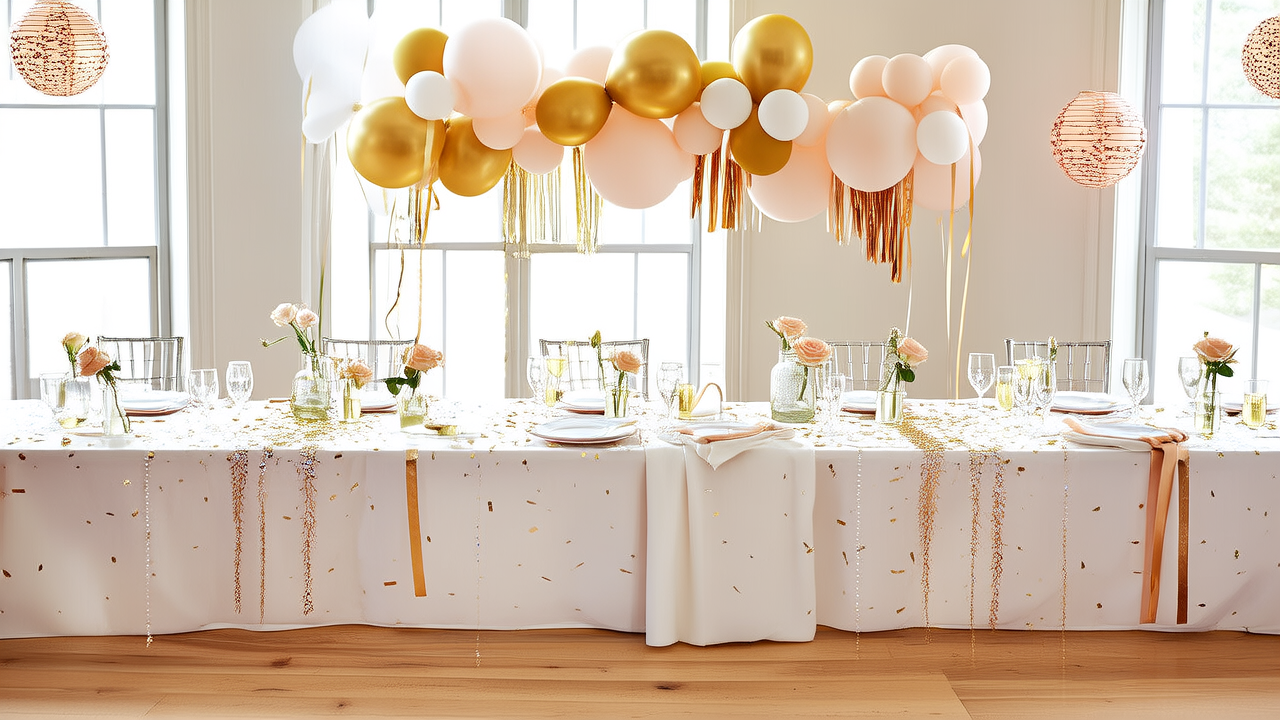
Party FAQ: Planning, Food, Music, Safety
Parties FAQ answered covers common questions about throwing a smooth gathering: how to choose a date, set a budget, send invitations, plan food and drinks, create seating, handle music, keep guests safe, and clean up. The answers below are written for casual birthdays, office mixers, baby showers, graduation parties, holiday dinners, and small backyard get-togethers. You will find planning timelines, portion estimates, cost benchmarks, safety notes, and product examples such as Yeti, Stanley, Hydro Flask, JBL, Bose, Weber, and Traeger. Use the FAQ format to adapt for indoor rooms, patios, community halls, or rented venues. This keeps decisions fast, practical, and guest friendly.
What questions should a party host answer before booking?
Before buying decorations, locking a date, or sending invitations, answer six host questions: purpose, guest count, venue, budget, timing, and risk. Purpose determines tone. A 30-person birthday party needs a different menu than a 120-person office mixer. Guest count changes everything. If you invite 80 and only 45 attend, food can be overbought. A good estimate is 75 percent attendance for local casual guests, 60 percent for distant family, and 40 percent for weekday work events.
Venue questions should include access, restrooms, parking, noise limits, and backup weather space. For a home party, measure usable room in feet. A 12 by 20 foot living room can fit about 18 to 24 standing guests if seating is limited. For outdoor patios, leave at least 36 inches of walking clearance around food tables and 48 inches for main routes. If the event uses a community hall, ask whether tables and chairs are included, whether alcohol is allowed, and whether cleanup must finish by 11:00 PM.
Timing matters. Send save-the-dates six to eight weeks ahead for destination or milestone events, three to four weeks ahead for standard gatherings, and one week for small informal meetups. A 6:00 PM start with 4:30 PM setup allows enough time for ice, drinks, music, and a quick bathroom check. If kids are present, plan a lower-energy finish by 8:00 PM or add a craft table after 6:30 PM.
How do you set a realistic party budget?
Start with a total ceiling, then split it by category. A simple backyard party budget for 25 guests might allocate 40 percent food, 20 percent drinks, 15 percent rentals or venue, 10 percent decorations, 10 percent music or rentals, and 5 percent contingency. That gives a buffer for extra ice, forgotten napkins, or a late guest. A common rule is to add 10 percent to every vendor quote because taxes, delivery fees, and gratuity often appear later.
What costs change fastest?
Food and staffing change fastest. Catering can run from $22 to $60 per guest for simple buffet options, while premium plated service can pass $95. Alcohol is another swing item. A limited beer and wine service with a Yeti or Hydro Flask cooler can stay below $12 per guest, while a signature cocktail bar with prebatched drinks can reach $18 to $25 per guest if mixers, glassware, and staffing are counted.
- Fixed costs: venue fee, rentals, photographer, cake, entertainment.
- Variable costs: food, drinks, ice, favors, printed menus, napkins.
- Hidden costs: delivery, setup, cleanup, security, power adapters, valet, waste removal.
For a 50-person birthday party, a realistic mid-range budget is $2,500 to $4,500 in many U.S. markets. For a 10-person dinner, $300 to $700 may be enough if the host cooks and uses reusable plates. If you use a Traeger or Weber grill, budget extra for pellets, charcoal, propane, and food safety thermometers. A $15 instant-read thermometer is small but can prevent expensive food waste.
How many guests should you invite and when?
Invite slightly more than the final number you want to seat. If you need 30 guests, invite 45 to 50 for a casual party. For a seated dinner where RSVPs matter, invite 35 to 40 for a target of 30. Use a simple RSVP deadline ten days before the event, then follow up with a text or email 72 hours out. A reminder 24 hours ahead improves attendance by 10 to 15 percent in many social groups.
Keep the invitation clear. Include date, start time, end time, address, dress code, parking notes, gift policy, food options, and whether guests may bring plus-one. If alcohol is served, say whether it is hosted or cash bar. If kids are invited, list age range and whether parents must stay. For work parties, include a note about whether partners are welcome and whether the event is mandatory, optional, or informal.
For larger parties, use a digital RSVP page. Tools such as Google Forms, Eventbrite, Paperless Post, and Facebook Events can track responses. For under 20 guests, a simple text list may be enough. For 80 guests, use a spreadsheet with columns for name, contact, plus-one, meal preference, arrival note, and gift confirmation. This reduces duplicate messages and helps you call no-shows politely.
What food and drink amounts are safest for common party sizes?
Portion planning prevents both waste and awkward empty trays. For a 2-hour evening party with passed appetizers, plan 6 to 8 pieces per guest. For a 3-hour dinner, plan 1 main portion plus 2 to 3 sides per guest. For a 4-hour event with kids, add 1.5 times the usual snack amount because children eat repeatedly. Ice is often forgotten. Plan 1 pound of ice per 2 guests for drinks, plus 5 to 10 pounds extra for food bins.
| Guest Count | Food Focus | Drink Estimate | Ice Estimate | Helpful Brands |
|---|---|---|---|---|
| 10 adults | 2 mains, 4 sides, 1 dessert tray | 30 to 40 total beverages | 6 to 8 pounds | Stanley, Hydro Flask, JBL |
| 25 guests | 3 mains, 5 sides, 1 cake | 75 to 100 beverages | 12 to 15 pounds | Weber, Yeti, Bose |
| 50 guests | 4 mains, 6 sides, 2 desserts | 150 to 200 beverages | 25 to 30 pounds | Crock-Pot, Traeger, Sonos |
| 100 guests | 5 mains, 8 sides, buffet desserts | 300 to 400 beverages | 50 to 60 pounds | Yeti, Stanley, Weber |
Which foods travel and hold well?
Choose foods that stay edible at room temperature or in warming trays. Sliders, empanadas, meatballs, skewers, quinoa salad, roasted vegetables, pasta salad, fruit trays, and bite-size desserts work well. For hot food, keep items above 140 degrees Fahrenheit using Crock-Pot, chafing dishes, or warming trays. For cold food, keep dips, cheese, seafood, and yogurt sauces below 40 degrees Fahrenheit using ice baths and sturdy coolers. Do not leave perishable dishes out more than 2 hours, or 1 hour if the temperature is above 90 degrees Fahrenheit.
For vegetarian and allergy questions, label at least 3 categories: contains nuts, contains dairy, and gluten-free. If you serve a taco bar, provide chicken, beef, black beans, corn tortillas, flour tortillas, cabbage, salsa, and a dairy-free crema made with coconut or cashew alternatives. If guests include infants, set a quiet feeding corner with a highchair, wipes, and a 10 by 10 foot mat near a bathroom.
How should music, lighting, and seating work together?
Music should support conversation, not replace it. For a cocktail party, keep volume around 60 to 65 decibels near the host area. For a dance party, 75 to 85 decibels is common, but avoid sustained noise above 85 decibels for more than a few hours. A JBL PartyBox or Bose SoundLink can handle small gatherings. For 75 or more guests, consider a Sonos setup, portable PA speaker, or rented speaker with subwoofer. Use a playlist with 60 to 90 minutes of background music and 30 minutes of higher-energy tracks for the peak hour.
Lighting changes mood and safety. Use warm white string lights at 2700 to 3000 kelvin for patios, candles or LED tea lights for tables, and a dimmable floor lamp indoors. Avoid blue-white overhead lights for evening parties because they make food look unappetizing. For photo areas, place a 10 by 10 foot backdrop at least 6 feet from the main path. If you use fairy lights, choose LED bulbs to reduce heat and battery load.
Seating should be flexible. For a 30-person standing party, provide 12 to 15 seats for older guests, pregnant guests, and people who need breaks. For a 50-person dinner, use 6 tables of 8 or 10 tables of 5. If using long banquet tables, leave 24 inches of elbow room per seated guest and at least 36 inches behind chairs. For backyard events, mix picnic tables, folding chairs, and a few lounge pieces such as a Yeti cooler used as a seat, if it is rated for seating and placed on stable ground.
What safety rules matter for alcohol, kids, and outdoor spaces?
Safety questions often decide whether a party stays enjoyable or becomes a liability. If alcohol is served, provide nonalcoholic options at the same visibility as beer and wine. A good ratio is 1 nonalcoholic beverage for every 2 alcoholic drinks. Keep drinks behind a counter if children are present. Do not serve alcohol to anyone who appears impaired. For a hosted bar, estimate 2 drinks per guest in the first hour and 1 drink per guest afterward, then track consumption with a simple tally sheet or barcode scanner app.
How do you protect kids and pets?
Create a child zone with a 6 by 6 foot play mat, board games, and snacks away from breakables. If you have a pool, use a fence, cover, and water alarm. Keep small items such as buttons, balloons, and candy off floor tables for children under 5. Pets may need a quiet crate or room with a Kong toy and water bowl. Do not leave chocolate, grapes, xylitol gum, onions, garlic, or cooked bones near pets.
- Use battery candles on tables if children or pets roam.
- Keep cords taped down or routed under rugs to prevent trips.
- Store alcohol, medications, and cleaning products out of reach.
- Have a first aid kit with bandages, antiseptic wipes, gloves, and tweezers.
- Know the nearest emergency exit and the address guests may use for calls.
For outdoor parties, check weather 48 hours, 24 hours, and 2 hours before the event. If wind reaches 15 to 20 miles per hour, secure umbrellas, tents, and lightweight décor with sandbags or clamps. If rain risk is above 40 percent, set a backup room or covered tent. For grills, keep a Weber or Traeger at least 3 feet from walls, curtains, umbrellas, and dry plants. Use a 3 by 6 foot heat-resistant mat and keep a fire extinguisher within 10 feet.
How do you handle cleanup, gifts, and follow-up?
Cleanup starts before the party ends. During the last 30 minutes, begin stacking plates, collecting trash, and folding tablecloths. Assign one person to guard leftovers, one person to check restrooms, and one person to collect gifts or cards. For food safety, refrigerate leftovers within 2 hours. Label containers with the dish name and date. A standard 2 by 3 foot storage bin can hold 8 to 10 large plates plus napkins, but avoid mixing wet and dry items in one bag.
If guests ask about gifts, give a simple policy. For birthdays, a small gift, cards, or charitable donations are common. For weddings or milestone events, a registry is acceptable. If you prefer no gifts, write no gifts requested on the invitation and offer a guest book instead. If gifts arrive, thank people within 7 days. For office parties, keep gifts under $25 per person if local policies limit spending.
Follow-up helps the next event. Send a short thank-you message with a photo, a note about attendance, and one practical detail such as where to find lost items. Ask 3 quick questions: what did you enjoy, what felt crowded, and what would you change. If a vendor caused a problem, document it with dates, amounts, and photos, then send a polite invoice dispute within 7 days. A calm, specific message usually gets faster results than an emotional complaint.
The best party FAQ answers are not just trivia; they are decisions saved before they become problems. When a host knows budget, guest count, food portions, music volume, safety steps, and cleanup timing, the event feels lighter for everyone. Keep a simple checklist, measure your space, use reusable brands like Stanley, Hydro Flask, and Yeti, and plan one backup option for weather, noise, or food. With those answers ready, you can focus on conversation, laughter, and a smooth finish.
More Articles
 The Ultimate Cups Guide: Materials, Sizes, Standards, and Real-World Performance
 How to Organize Bags: A Space-Saving System
 Corporate Event Logistics Guide (2026)
Event Budget Tips: Avoid Overspending
 Micro-Events: Planning Intimate Gatherings Right
 Guest List Management: Avoid Drama
 12 Practical DIY Framework Ideas for Home, Workshop, and Outdoor Projects
Practical DIY Ideas to Save Money and Build Skills
 Prom Meets Bar Mitzvah: Modern Fusion
 Cold-Weather Party Supplies Essentials