
Event Planning: Budget, Logistics, Guests
Holiday event planning starts with a clear objective: decide whether the gathering is a corporate mixer, family celebration, community fundraiser, or client appreciation night. Next, set a realistic budget, pick a date that avoids major holidays, and book a venue with 36-inch aisles and enough restrooms for 1 guest per 60 minutes. Build a vendor timeline around load-in, catering, sound, lighting, safety, and guest hospitality. Use tools like Eventbrite, Asana, and HoneyBook to track RSVPs, payments, and staff assignments. Keep contingency at 12% and aim for 75% of spending on guest-facing elements. Measure success with a post-event survey sent within 24 hours, and review bar consumption, check-in speed, and accessibility feedback before final vendor payments.
Holiday Event Planning Essentials: Set Purpose Before Logistics
Every holiday event needs one sentence that explains why it exists. A company party might be trying to retain staff, a nonprofit gala might need to raise $25,000, and a neighborhood tree-lighting event might want 200 families to feel welcome. Without that sentence, planners tend to overspend on décor, underpay staff, and create programming that does not support the goal. Start with three questions: who must attend, what should happen after they attend, and what must not be missed. Then assign a success metric to each answer.
For corporate events, common metrics include employee attendance, manager satisfaction, and follow-up meetings booked. For fundraisers, track pledges, average gift size, and donor retention. For family or community gatherings, measure RSVP conversion, food distribution, parking flow, and noise complaints. If the event is a client appreciation night, track client meetings scheduled, referrals, and social posts tagged. A metric makes the event feel like a business decision, not just a seasonal party.
Scope creep is the biggest holiday planning issue. A simple dinner can turn into a full gala when someone asks for a photo booth, live band, custom cocktail, and branded gift bags. Use a written scope document that lists the guest count, duration, venue size, meal style, entertainment level, décor ceiling, and staff count. If a new idea arrives after the date is booked, evaluate it against three constraints: budget, labor hours, and load-in time.
Choose a Date That Protects Attendance
Holiday dates are crowded. Avoid the Friday before Christmas, New Year's Eve, and the first weekend after Thanksgiving for many U.S. markets. If you need high attendance, target a weekday evening in early December, or a Sunday afternoon for family events. Corporate teams often respond better to Tuesday or Wednesday 6 p.m. starts because travel is easier. For community events, check school calendars and local sports schedules before confirming.
Use a calendar conflict check for major religious and national holidays, including Hanukkah, Kwanzaa, Eid celebrations, Lunar New Year if planning for Asian diaspora guests, and local public holidays. If the event is in a city with heavy seasonal traffic, add 20 minutes to expected arrival time and send parking instructions 72 hours in advance. For outdoor events, have a backup indoor space that can hold 105% of expected guests.
Build a Budget That Survives Holiday Surprises
A practical holiday budget uses percentages before absolute dollars. For a 100-guest event with a $15,000 total, allocate 25% to food, 18% to venue, 10% to décor, 7% to entertainment, 5% to audio-visual, 3% to printing, 10% to staffing, 12% to contingency, and 10% to miscellaneous items such as permits, insurance, and guest gifts. Adjust the mix by goal: fundraising events can shift 10% from décor to stage and audio; corporate events can shift 5% from food to AV and photography.
| Budget Line | Recommended Share | Common Holiday Pitfall | Control |
|---|---|---|---|
| Catering and bar | 25% | Last-minute dietary surcharges | Collect dietary notes at RSVP |
| Venue and rentals | 18% | Hidden service fees | Ask for all-in quote |
| Décor and florals | 10% | Theme changes after print | Freeze design 30 days out |
| Entertainment and AV | 12% | Band overtime | Set 90-minute sets |
| Staffing and logistics | 10% | Understaffed coat check | 1 attendant per 100 guests |
| Contingency | 12% | No reserve for weather | Hold until final walkthrough |
The table should be reviewed by a finance lead or vendor owner before contracts are signed. If your venue charges a 22% service fee and a 15% bar minimum, those numbers must be inside the venue line, not hidden in miscellaneous. Ask every vendor for three quotes: a base package, an all-in package, and a package with 10 fewer guests. That comparison often reveals per-head costs and minimums.
Payment schedules protect cash flow. A typical structure is 50% deposit to secure the date, 25% due 60 days before, and 25% due 7 days before the event. For holiday season, pay early enough so vendors can hire seasonal staff. If you are working with a caterer that uses Toast or Lightspeed POS, ask for a dedicated private event tab so bar spend can be tracked by hour. For cash-limited nonprofits, use Eventbrite or Cvent to collect tickets and pledge commitments before final payments.
Lock Down Venue and Vendor Terms
Venue contracts should specify load-in time, load-out time, noise limits, insurance certificates, cancellation deadlines, and damage responsibility. For a 150-person event, request a room that can hold 200 seated if you need space for a stage, buffet, and dance floor. If using a hotel or conference center, confirm whether tables are included, whether linens are charged per seat, and whether AV tech labor is billed hourly.
Vendor coordination matters most during December. Ask each vendor to confirm arrival windows, contact names, and backup contacts. If a florist uses IKEA, Home Depot, or Lowe's supply items, request a delivery confirmation with photos. If a band or DJ uses Yamaha, Bose, or Shure equipment, ask whether they bring their own mixer, speakers, and wireless microphones. A clear tech rider prevents an event from turning into a sound-quality problem.
Design Food, Beverage, and Hospitality Flows
Food service should match the event rhythm. For a 90-minute networking mixer, pass hors d'oeuvres at 12 pieces per guest and keep bar service open. For a three-hour dinner, serve a plated meal or buffet with 14 to 16 ounces of protein per guest. For holiday parties with children, add kid-friendly options such as pasta, chicken tenders, fruit cups, and non-sugary drinks. If guests arrive late, have a cold-plate station available for 30 minutes after the official start.
Use 72-inch round tables for 8 to 10 adults, and 60-inch rounds for 6 to 8 adults. Banquet tables of 6 to 8 feet can seat 12 to 16 people, but conversation becomes harder. For buffet lines, allow 12 linear inches per guest and keep two service stations open if attendance exceeds 150. For coat checks, budget 1 attendant per 100 guests and 1 square foot per coat. For gift storage, provide a locked table with 4 linear feet of counter space.
- Ask caterers for a final count 72 hours before service, not 24 hours, because holiday staffing is tighter.
- Label vegan, gluten-free, nut-free, and halal or kosher options with clear tags.
- Keep hot food at 140°F or above and cold food at 40°F or below.
- Offer at least one non-alcoholic signature drink, such as a sparkling cranberry shrub made with whole fruit.
- Use small plates for heavy hors d'oeuvres to reduce waste and speed service.
Bar Service That Avoids Long Lines
Alcohol service can create both revenue and risk. For a two-hour event, plan 1 bartender per 75 guests. For four hours, plan 1 bartender per 60 guests. If you serve beer, wine, and spirits, use a 30/70 split: 30% beer, 70% wine and spirits, adjusted by guest profile. For a client event, include a low-ABV option at 25% of the bar menu. If the event is in a licensed venue, confirm whether outside beverages are allowed and whether corkage applies.
Track consumption by hour. If a bar tab is open, set a spending cap at 90% of the budget and switch to pay-as-you-go when reached. For fundraising, use a cash bar plus donation match model. For family events, provide water stations with 1-gallon dispensers for every 50 guests. If serving hot chocolate, use a commercial dispenser from a brand such as Breville or Hamilton Beach and keep temperatures above 160°F for safety.
Manage Guests, Staff, and Safety Without Last-Minute Panic
Guest management starts with the registration flow. Use QR code check-in on a tablet such as an iPad with Eventbrite, Cvent, or HoneyBook. If connectivity is weak, download the guest list before arrival and keep a printed backup. For a 100-guest event, assign 2 check-in staff, 1 greeter, and 1 accessibility monitor. If the event has a coat check, open it 15 minutes before arrival and staff it continuously until 30 minutes before departure.
Staffing needs clear zones. Create a run-of-show that includes arrival, mingling, program, meal, entertainment, and exit. For a 3-hour event, a typical run-of-show is 6:00 p.m. doors, 6:15 p.m. cocktail hour, 7:00 p.m. welcome, 7:15 p.m. dinner, 8:00 p.m. program, 8:30 p.m. dessert and dancing, 9:30 p.m. last call, and 10:00 p.m. clear. Give each lead a headset or walkie-talkie channel and a 5-minute break rotation.
- Confirm venue emergency exits and fire extinguisher locations.
- Share a safety brief with staff before doors open.
- Assign one person to manage noise, lighting, and crowd flow.
- Keep a first aid kit, hand sanitizer, and water station near the bar.
- Plan for lost items, coat claims, and accessibility requests.
- Use ride-share or designated driver reminders during last call.
Safety is especially important for holiday events because weather and alcohol can create hazards. If the event is outdoors, require staff to wear non-slip shoes and cover cables with weather-rated tape. If snow is possible, arrange sidewalk treatment within 2 hours of forecasted precipitation. If the venue is older, ask for a recent electrical capacity check before adding heaters, lighting, and sound equipment.
Communicate RSVPs, Marketing, and Day-of Instructions
RSVP strategy should be simple and consistent. Send invitations 21 days out, reminders 7 days out, final instructions 24 hours out, and day-of messages 90 minutes out. Use a single source of truth for guest count. If 180 people RSVP yes and 20 decline, do not automatically assume 200 will attend; use a 90% attendance rate for casual events and 95% for ticketed events with deposits.
Marketing materials should include date, time, dress code, parking or transit notes, accessibility information, dietary options, and contact details. If you are running a corporate event, send a calendar invite with a 15-minute agenda. If you are promoting a community fundraiser, add a link to donation tiers and a short video from the host. For holiday parties, use clear color coding on signage: green for entry, blue for information, red for staff, and orange for accessibility assistance.
Day-of communication should be short. Staff need a one-page cheat sheet with vendor contacts, restroom locations, coat check rules, bar limits, program cues, and emergency numbers. Guests need signage that points to registration, coat check, restrooms, and the event space. If the event includes a raffle or silent auction, place tables at 6-foot intervals so guests can browse without blocking traffic. If you use printed programs, keep them under 16 pages to reduce waste.
Measure Results and Improve Next Holiday Event
Post-event review is where budgets become better. Send a short survey within 24 hours with 5 questions: overall satisfaction, venue rating, food rating, staff rating, and one open comment. For corporate events, ask whether the event strengthened team connection. For fundraisers, ask whether guests would return and how much they would be willing to spend next year. Use a 1-5 scale plus optional comments to keep response rates above 35%.
Review operational metrics before final vendor payments: check-in wait time, bar sales by hour, food waste, attendance versus RSVPs, accessibility incidents, and noise complaints. If check-in took more than 5 minutes per guest, increase staff or use mobile registration next time. If food waste exceeded 15%, adjust the final count process. If a vendor arrived 30 minutes late, add a penalty clause or choose a different provider.
Store all files in a shared workspace. In Asana or Trello, create a holiday event folder with subtasks for budget, contracts, vendor contacts, run-of-show, marketing, and post-event review. Keep signed contracts, insurance certificates, payment receipts, and final invoices for at least one year. For annual holiday events, save the successful timeline as a template so the next planner can start from proof rather than guesswork.
Holiday event planning works best when it is treated as a sequence of decisions, not a list of decorations. Start with purpose, build a budget with a 12% contingency, choose a date that protects attendance, and design flows for food, bar, check-in, and safety. Then communicate clearly, staff the event with defined zones, and review results before the next season. With that structure, a team can run a smooth celebration while keeping guests comfortable and vendors accountable.
More Articles
 How Historical Eras Shape Modern Fashion Style
 What To Wear On Office Christmas Party (2026)
 Winter Solstice Playlist Ideas
 Christmas Party Outfit Rules: Stress-Free Style
 How to Dress for Christmas Party (2026)
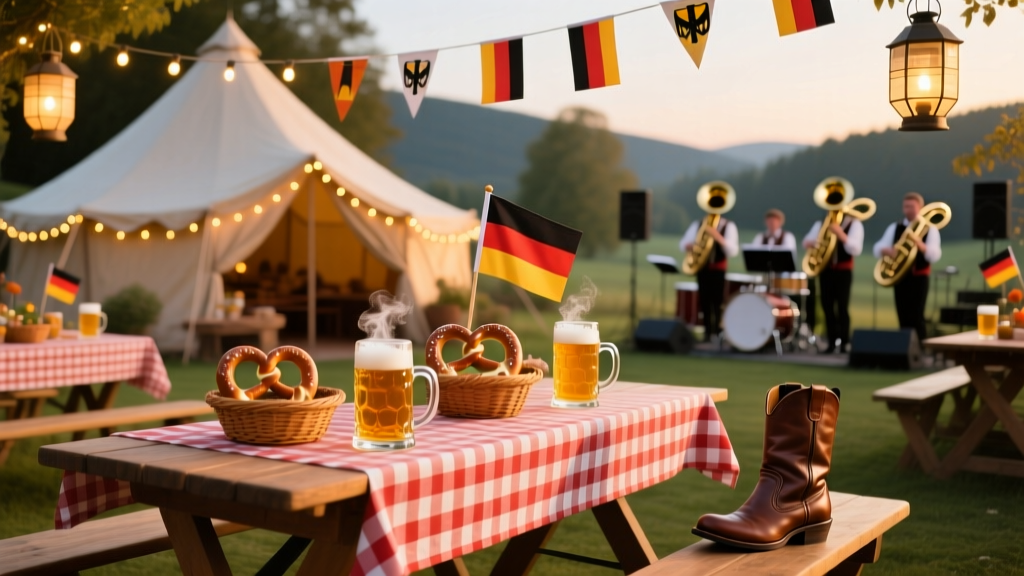 How to Make Oktoberfest Memorable
 10 Halloween Party Games for Adults
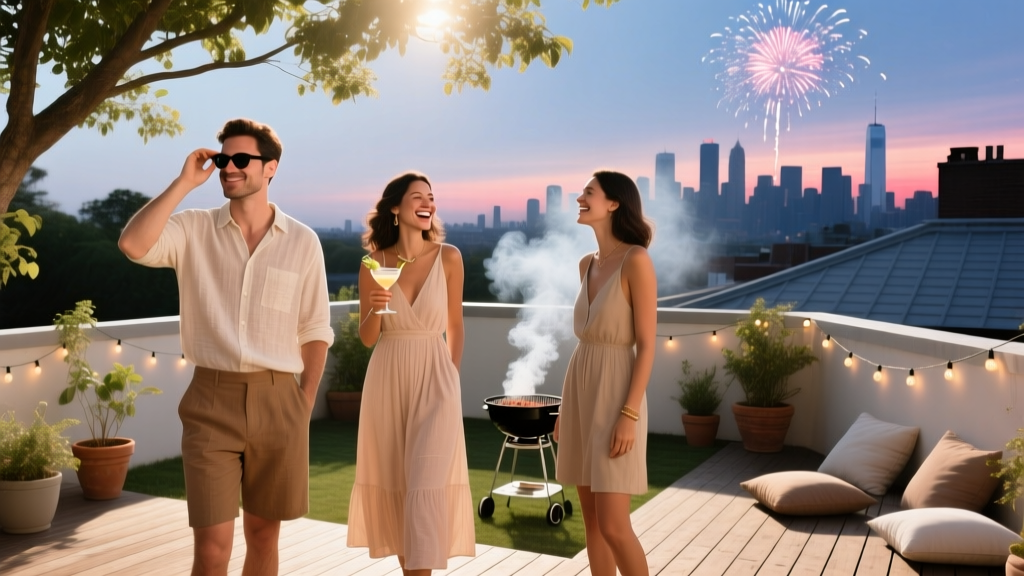 What to Wear to a Fourth of July Party (2026)
 How to Make Easter Memorable
 Easter Brunch Menu Ideas for 2026